Good vehicle maintenance is one of the most practical ways to protect a car’s safety, reliability and long-term condition. Maintenance is not only about booking a service when the dashboard reminds you. It also involves paying attention to warning signs, following appropriate service intervals, checking important components and making sensible ownership decisions throughout the vehicle’s life.
For UK drivers, a structured maintenance approach can make vehicle ownership more predictable. Routine servicing, tyre checks, fluid inspections and timely repairs all have a role to play. Understanding these basics also makes it easier to communicate with a garage and decide when professional workshop services are needed.
What Does Vehicle Maintenance Involve?
Vehicle maintenance covers the routine checks, servicing and care required to keep a vehicle operating as intended. The exact requirements vary according to the manufacturer, model, engine, mileage, age and how the vehicle is used.
Some maintenance tasks are scheduled in advance, while others are triggered by the condition of a particular component. A maintenance plan can therefore include routine servicing alongside inspections and repairs that become necessary as the vehicle ages.
Maintenance should also be distinguished from the MOT test. An MOT assesses specific legal roadworthiness requirements at the time of the test. It does not replace a manufacturer’s servicing schedule or provide a complete assessment of every mechanical component.
Why Preventive Maintenance Matters
Preventive maintenance focuses on identifying and addressing potential problems before they become more disruptive. It does not guarantee that a vehicle will never break down, but it can help owners manage wear and recognise developing issues earlier.
For example, regularly checking tyre condition can identify visible damage or abnormal wear. Paying attention to fluid levels can reveal potential problems that may deserve further investigation. Responding to unusual noises, vibrations or dashboard warnings can also prevent drivers from simply carrying on until a minor issue becomes a major inconvenience.
The principle is straightforward: understand the condition of the vehicle and deal with appropriate maintenance at the right time rather than relying entirely on breakdowns or obvious failures to trigger action.
Understanding Maintenance Schedules
Every vehicle has its own recommended maintenance requirements. Manufacturers may specify service intervals based on mileage, time or a combination of both. Some modern vehicles also use onboard systems to calculate or display service requirements.
Drivers should consult the vehicle’s handbook or manufacturer information when determining the correct schedule. A car that covers high annual mileage may have different maintenance needs from one that is driven only occasionally, while short journeys and demanding driving conditions can also affect how a vehicle is used.
Rather than applying one universal schedule to every car, owners should use the manufacturer’s recommendations as the starting point and discuss unusual usage with a suitably qualified professional.
Key Areas to Include in a Maintenance Checklist
A practical maintenance checklist can help drivers keep track of routine vehicle care without becoming overly complicated.
Tyres
Check tyre pressures regularly and follow the recommended pressure information for your vehicle. Drivers should also pay attention to tread condition, visible damage and unusual wear. If something looks abnormal, professional inspection may be appropriate.
Engine oil and fluids
Vehicles depend on several fluids to operate correctly. Depending on the vehicle, these can include engine oil, coolant, brake fluid and screen wash. Owners should follow the manufacturer’s guidance for checking levels and using the correct products.
Brakes
Changes in braking performance, unusual sounds or vibrations should not be ignored. Brake components naturally wear over time, and inspection can determine whether servicing or replacement is required.
Lights and visibility
Exterior lights, indicators, mirrors, windscreen condition and wiper performance all contribute to safe driving. These checks are simple but worthwhile, particularly before longer journeys or during periods of poor weather.
Battery and starting system
If a vehicle begins taking longer to start or repeatedly struggles after periods of inactivity, the battery and charging system may need attention. A professional test can help determine whether the battery is the cause or whether another issue is involved.
Vehicle Maintenance and Service Intervals
Routine servicing provides an opportunity for a trained technician to inspect the vehicle and carry out maintenance according to the appropriate schedule. The precise work depends on the vehicle and its service requirements.
A service may involve checking or replacing particular fluids, filters or wear components, along with inspecting systems that are relevant to the vehicle’s mileage and maintenance plan. Not every service is identical, so drivers should understand what is included rather than assuming that the word “service” describes a fixed package.
Keeping a record of completed servicing is equally useful. A maintenance history can help future workshops understand previous work and gives the owner a clearer picture of the vehicle’s condition.
Signs Your Vehicle May Need Attention
Preventive maintenance works best when routine checks are combined with awareness of changes in how the vehicle behaves. Drivers are often the first people to notice something unusual.
Potential warning signs can include:
- Unusual engine or suspension noises.
- Changes in steering or handling.
- Vibrations that were not previously present.
- Difficulty starting the vehicle.
- Dashboard warning lights.
- Changes in braking performance.
- Unexpected fluid leaks.
- Uneven tyre wear.
- Unusual smells or smoke.
Not every symptom indicates a serious fault, but unexplained changes are worth investigating. Professional diagnosis can establish whether the issue requires immediate repair or can be monitored as part of a wider maintenance plan.
Maintenance Planning for Older Vehicles
As a vehicle becomes older, maintenance decisions can become more complex. Components that were previously reliable may eventually require replacement because of age, mileage or wear.
This does not automatically mean an older vehicle is unreliable. A well-maintained car can continue to provide useful service for many years. However, owners should consider the vehicle’s overall condition when deciding whether to approve individual repairs.
For example, if several major components are approaching the end of their useful service life, it may be sensible to discuss the wider condition of the vehicle with a trusted workshop. This allows the owner to make decisions based on the bigger picture rather than considering every repair in isolation.
How Maintenance Supports Long-Term Reliability
Long-term reliability is influenced by many factors, including vehicle design, driving conditions, age and maintenance history. Consistent care can help reduce avoidable problems and make it easier to identify faults as they develop.
Good maintenance also complements professional auto repair services. Repairs address problems that have already developed, while preventive maintenance aims to keep systems in suitable condition and identify concerns earlier.
This distinction is useful for vehicle owners. A repair should not necessarily be viewed as a failure of maintenance, because mechanical components can fail despite proper care. Instead, maintenance and repair should be considered two connected parts of responsible vehicle ownership.
When Should You Visit a Garage?
Some maintenance tasks are suitable for routine owner checks, but many inspections and repairs should be handled by a qualified professional. Modern vehicles contain increasingly complex mechanical, electronic and safety systems, making accurate diagnosis particularly important.
If you notice a serious braking problem, major steering issue, significant fluid leak or another potentially dangerous fault, seek appropriate professional assistance rather than continuing to drive unnecessarily.
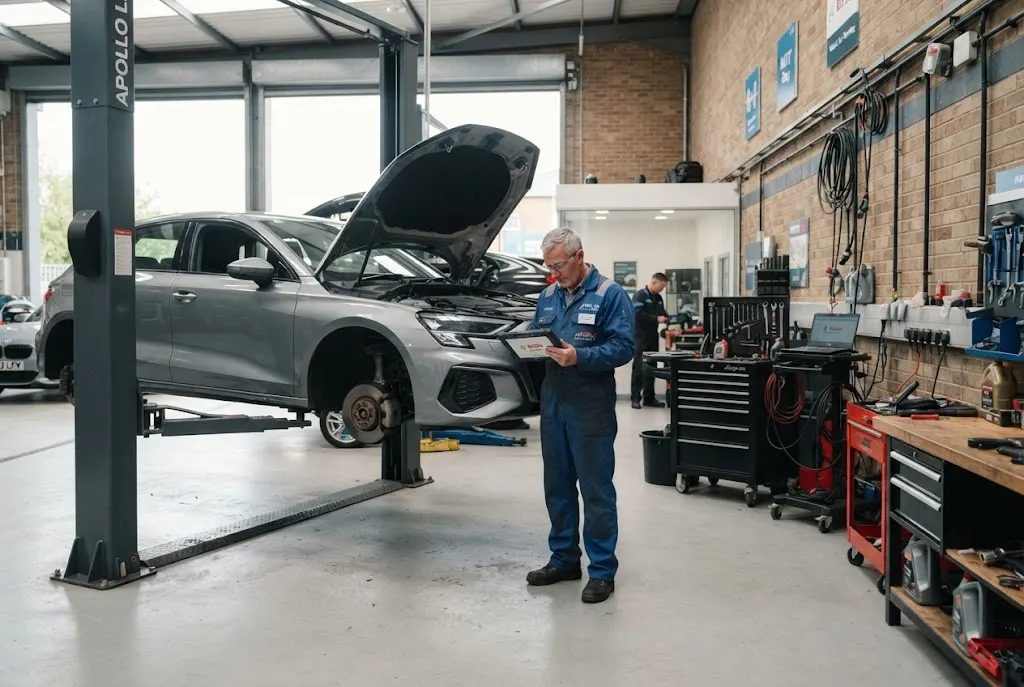
For routine work and more complicated problems, choosing an appropriate auto service garage can make the maintenance process easier. A suitable workshop can assess the vehicle, explain its findings and recommend work based on the vehicle’s actual condition.
Vehicle Maintenance and Ownership Planning
Maintenance becomes easier when it is treated as part of the overall cost and responsibility of owning a vehicle. Instead of waiting for unexpected problems, drivers can keep track of upcoming service requirements, previous repairs and recurring issues.
A simple ownership record might include the date and mileage of each service, important repairs completed, tyre replacements and other significant maintenance work. This information can be particularly useful when discussing a new fault with a technician.
Planning also helps drivers prepare for predictable expenses. Some maintenance items are likely to arise at particular stages of a vehicle’s life, although the exact timing depends on the manufacturer, vehicle condition and usage.
Practical Habits That Support Vehicle Health
Everyday driving habits can complement professional servicing. Avoiding unnecessary harsh acceleration and braking, paying attention to warning signs and checking tyres and fluid levels at appropriate intervals can all contribute to sensible vehicle care.
It is also worth considering how the vehicle is used. Frequent short journeys, heavy loads, extensive motorway driving or long periods of inactivity can create different maintenance considerations. If your usage differs significantly from typical driving patterns, discuss this with a professional when planning servicing.
Drivers can also explore our broader auto care services guidance for practical information about vehicle care, cleaning, detailing and habits that can help preserve a vehicle’s condition.
What About Mobile Maintenance?
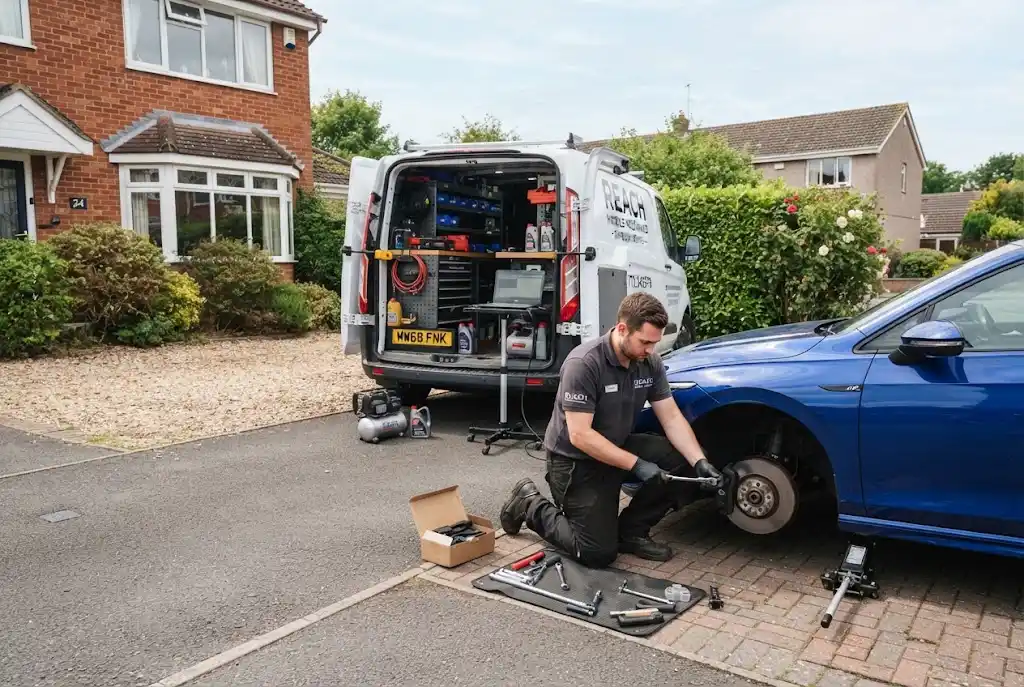
Traditional workshops are not the only service option available to vehicle owners. For certain jobs, a mobile auto service may provide maintenance or repair assistance at a customer’s home or another suitable location.
Mobile servicing can be convenient when the work does not require the full equipment or facilities of a conventional workshop. However, not every maintenance or repair job can be completed effectively away from a properly equipped garage. The appropriate service option depends on the work involved.
How to Build a Simple Maintenance Routine
A useful maintenance routine does not need to be complicated. Start by knowing your vehicle’s recommended service schedule and keeping a record of completed work. Add regular checks of tyres, lights, visible leaks and other easily observable items.
Next, respond promptly when something changes. A new warning light, unusual noise or deterioration in handling should become a reason to investigate rather than something to ignore indefinitely.
Finally, review the vehicle’s overall condition when major repairs are being considered. Looking at previous maintenance, current mileage and other known issues can help you make more informed ownership decisions.
Final Thoughts on Vehicle Maintenance
Vehicle maintenance is ultimately about staying ahead of avoidable problems while understanding the condition of the car you depend on. Following appropriate service intervals, monitoring key components and responding to warning signs can support safety, reliability and better long-term ownership planning.
There is no universal maintenance routine that works identically for every vehicle. The manufacturer’s recommendations, the vehicle’s age, mileage, condition and driving pattern all matter. When professional work is required, clear communication with a capable garage can help ensure that maintenance decisions are based on the vehicle’s actual needs.
With a consistent approach to preventive care and professional servicing, drivers can make maintenance less reactive and more manageable. That can ultimately lead to better repair planning, fewer surprises and greater confidence throughout the vehicle’s ownership life.