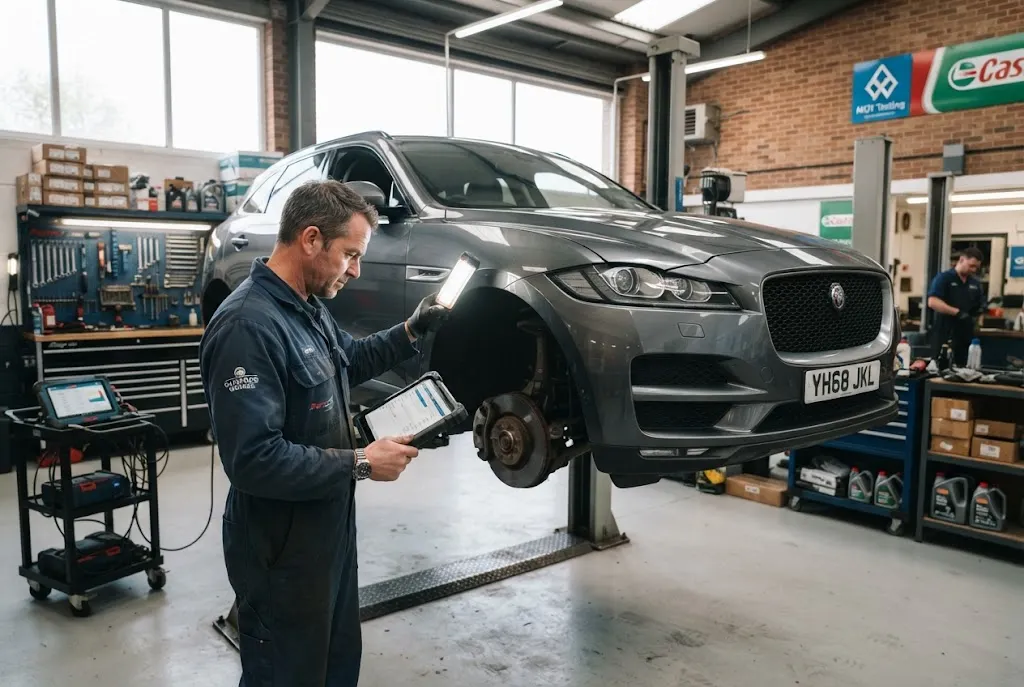
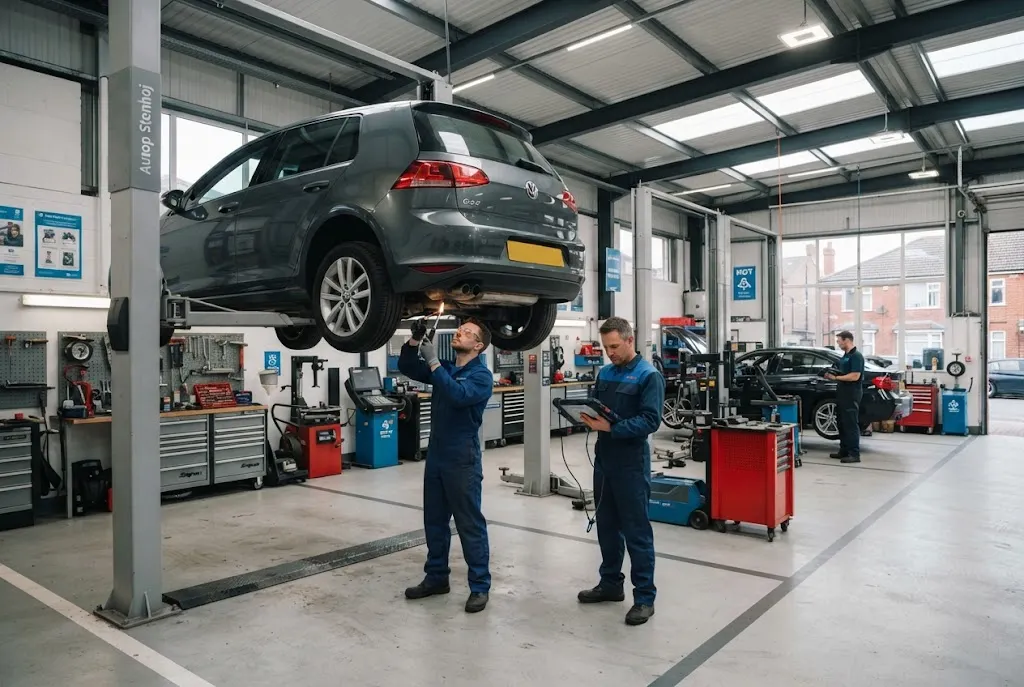
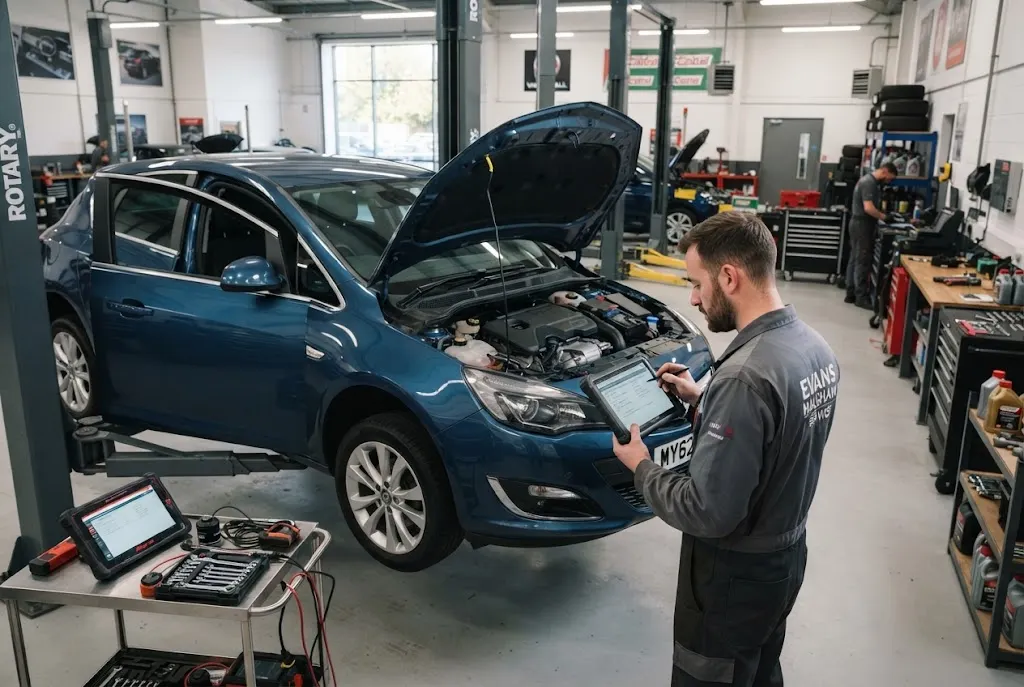
Tyre services play an important role in keeping a vehicle safe, roadworthy and ready for everyday driving. From checking tyre pressure and tread depth to professional tyre fitting and timely replacement, simple maintenance can help drivers identify problems before they become more serious.
Tyres are the only part of a car that maintains direct contact with the road. Their condition can therefore affect grip, steering, braking and overall driving stability. For UK motorists, understanding basic tyre safety is an important part of responsible vehicle ownership and preventive maintenance.
Why Tyre Safety Matters
Tyre safety is not simply about avoiding an MOT failure. A tyre can develop a problem between MOT tests, and a vehicle with a current MOT certificate is not automatically safe to drive. GOV.UK advises drivers that they are responsible for ensuring their vehicle remains roadworthy and specifically highlights tyres as an item that should be checked for correct tread depth, cuts and defects.
Good tyre maintenance can also help drivers spot issues such as uneven wear, visible damage or incorrect inflation. Addressing these problems early may reduce the likelihood of unexpected tyre failure and help maintain predictable vehicle handling.
For drivers who regularly cover long distances, commute on motorways or carry heavy loads, routine checks are particularly valuable. Weather and road conditions can also make tyre condition more important, especially during periods of heavy rain, cold temperatures and changing road surfaces.
Tyre Services Drivers Should Know About
Professional tyre services can cover several different aspects of tyre care. Understanding what each service involves makes it easier to recognise when your vehicle needs attention.
Tyre Inspection
A basic tyre inspection looks for visible problems such as cuts, cracks, bulges, abnormal wear and objects embedded in the tread. The tread should also be assessed to determine whether it remains within the applicable legal requirement.
Drivers should not wait for a tyre to become visibly flat before checking it. Some problems develop gradually and may not be obvious from the driver’s seat.
Tyre Pressure Checks
Correct inflation is another essential part of tyre safety. The recommended pressure for your vehicle can normally be found in the manufacturer’s handbook or other manufacturer-provided information.
Incorrect tyre pressure can affect handling and tyre wear. It can also change how the vehicle behaves under braking and cornering. Drivers should check pressures when the tyres are cold and follow the manufacturer’s recommended specifications for the vehicle and load.
Tyre Fitting
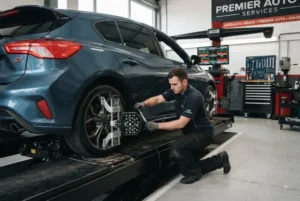
Tyre fitting involves removing an existing tyre and correctly installing a replacement on the wheel. Professional fitting is important because the tyre must be properly seated and inflated, while the wheel and tyre assembly may also require balancing.
After fitting new tyres, it is sensible to check that the correct tyre specification has been used for the vehicle. Drivers should also follow any manufacturer recommendations concerning tyre size, load rating and speed rating.
Wheel Balancing and Related Checks
When tyres are replaced, wheel balancing may be required to help ensure the wheel and tyre assembly rotates smoothly. Vibrations through the steering wheel or vehicle at certain speeds can sometimes indicate a balancing or wheel-related issue, although other mechanical causes are also possible.
If unusual vibration, pulling or uneven tyre wear develops, a professional inspection can help identify the underlying cause instead of simply replacing the tyre.
When Is Tyre Replacement Necessary?
Tyre replacement should be considered when a tyre is damaged, worn beyond the legal limit or otherwise unsuitable for continued use. Visible cuts, bulges, exposed cords or significant structural damage should never be ignored.
For cars, light vans and light trailers in the UK, the legal minimum tread depth is 1.6mm across the central three-quarters of the tread and around the entire circumference. However, drivers should not treat the legal minimum as a target for everyday maintenance. Monitoring tyre condition before it reaches the limit gives you more opportunity to arrange replacement safely.
Uneven tread wear is another reason to investigate a tyre rather than simply continuing to drive. Wear concentrated on one side, for example, may point to an alignment, suspension, inflation or other vehicle-related issue. Replacing the tyre without addressing the underlying cause could lead to the replacement wearing unevenly as well.
How Tyre Maintenance Supports Preventive Maintenance
Regular tyre maintenance is one part of a wider preventive maintenance routine. Instead of waiting for a warning sign or breakdown, drivers can establish simple checks that help identify potential problems early.
A practical routine can include checking tyre pressures, visually inspecting each tyre and monitoring tread condition. It is also useful to pay attention to changes in steering, handling, vibration or road noise.
These checks do not replace professional servicing or inspections when a fault is suspected. Instead, they give drivers a straightforward way to remain aware of their vehicle’s condition between scheduled maintenance appointments.
Simple Tyre Safety Checks for UK Drivers
Drivers can carry out several basic checks without specialist equipment. Before a long journey, walk around the vehicle and inspect all four tyres, including the spare if one is fitted.
- Look for visible cuts, cracks, bulges or other damage.
- Check that tyre pressures match the vehicle manufacturer’s recommendations.
- Inspect tread condition and look for signs of uneven wear.
- Check that no objects such as nails or screws are visibly embedded in the tyre.
- Pay attention to unusual vibrations, pulling or changes in handling.
- Arrange professional inspection if you notice damage or are unsure about tyre condition.
GOV.UK recommends checking tyres before setting off on long or significant journeys, including their pressure and condition. Its vehicle safety guidance also confirms that car tyres must meet the applicable tread-depth requirement and be free from cuts and defects.
How Weather Can Affect Tyre Safety
UK driving conditions can change quickly. Rain, standing water, cold weather and slippery road surfaces can all make good tyre condition especially important.
A tyre with adequate tread and correct inflation is better positioned to maintain contact with the road than one that is severely worn or incorrectly inflated. Nevertheless, good tyres cannot eliminate the need to adapt driving to weather and traffic conditions.
Drivers should reduce speed when conditions require it, leave sufficient stopping distance and avoid assuming that a vehicle will behave in exactly the same way on wet or slippery roads as it does in dry conditions.
Tyre Safety and the MOT
The MOT provides an important safety check, but it should not be treated as a replacement for routine tyre maintenance. The condition of tyres can change after an MOT, and drivers remain responsible for ensuring their vehicles are safe to use.
The current GOV.UK MOT inspection guidance sets out requirements concerning tread depth, tyre condition and other tyre-related defects. Understanding these requirements can help motorists recognise why routine inspections matter rather than waiting until the annual test.
For broader vehicle upkeep, drivers can also consider repair finance and vehicle maintenance costs when planning for unexpected repairs. Financial planning can make it easier to deal with necessary work promptly instead of postponing safety-related maintenance.
Choosing the Right Tyre Services
When professional help is needed, choose a reputable tyre service provider and make sure the work being carried out matches the problem identified. A tyre replacement should not automatically be the first response if the underlying issue is related to alignment, suspension or another part of the vehicle.
Ask what has been found, what work is recommended and whether the replacement tyre matches the manufacturer’s required specification. Clear communication can help prevent unnecessary work while ensuring genuine safety concerns are dealt with properly.
It is also worth keeping records of tyre replacements, inspections and other maintenance. These records can support future servicing decisions and provide useful information when assessing a vehicle’s overall maintenance history.
Tyre Safety as Part of Safer Driving
Tyres are a relatively small component of a vehicle, but their role in road safety is significant. Regular inspections, correct inflation, timely tyre fitting and appropriate replacement can all contribute to safer and more reliable motoring.
The most effective approach is not to wait until a tyre becomes obviously unsafe. Incorporating tyre checks into regular preventive maintenance gives drivers a better chance of identifying wear and damage early.
Ultimately, responsible tyre care is about more than meeting the legal minimum. It is about maintaining the condition of the vehicle, responding to warning signs and making informed decisions before a minor tyre issue becomes a serious problem on the road.