Vehicle maintenance is one of the most important parts of responsible car ownership. Regular checks and planned maintenance can help drivers identify developing problems, keep safety-critical components in good condition and understand what their vehicle may need as it gets older.
For UK drivers, maintenance should not be limited to preparing for an MOT. An MOT is a specific legal test, while maintenance is an ongoing responsibility that continues throughout the year. A practical maintenance routine combines manufacturer recommendations, regular driver checks, scheduled servicing and timely repairs.
Whether you drive a relatively new car or an older vehicle with high mileage, understanding the basics of maintenance can make ownership more predictable and help you make better decisions when professional attention is required.
What Is Vehicle Maintenance?
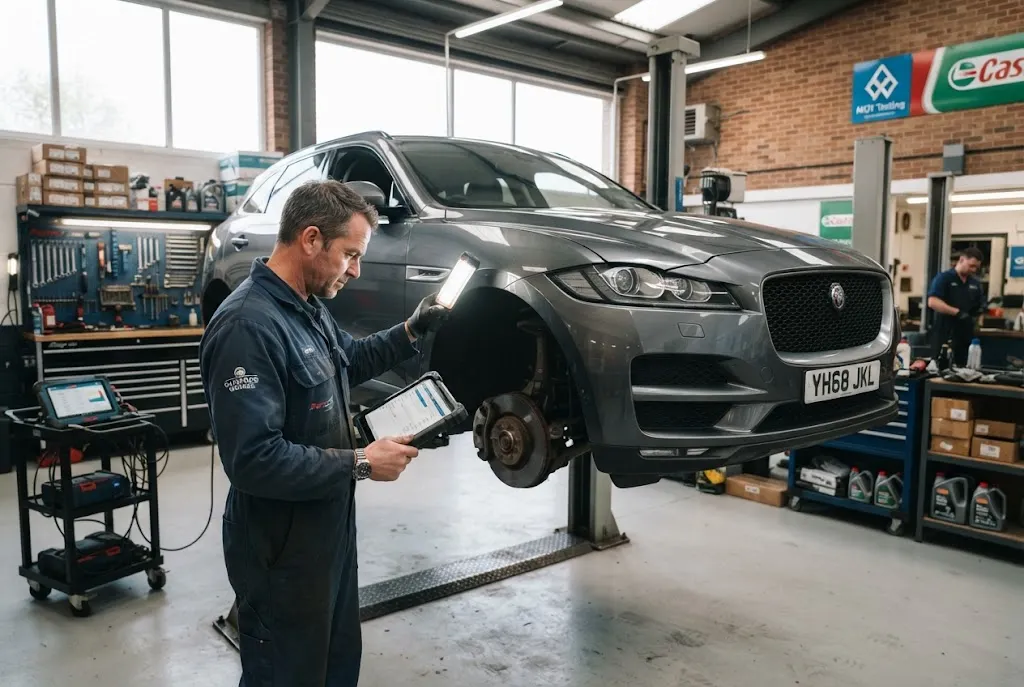
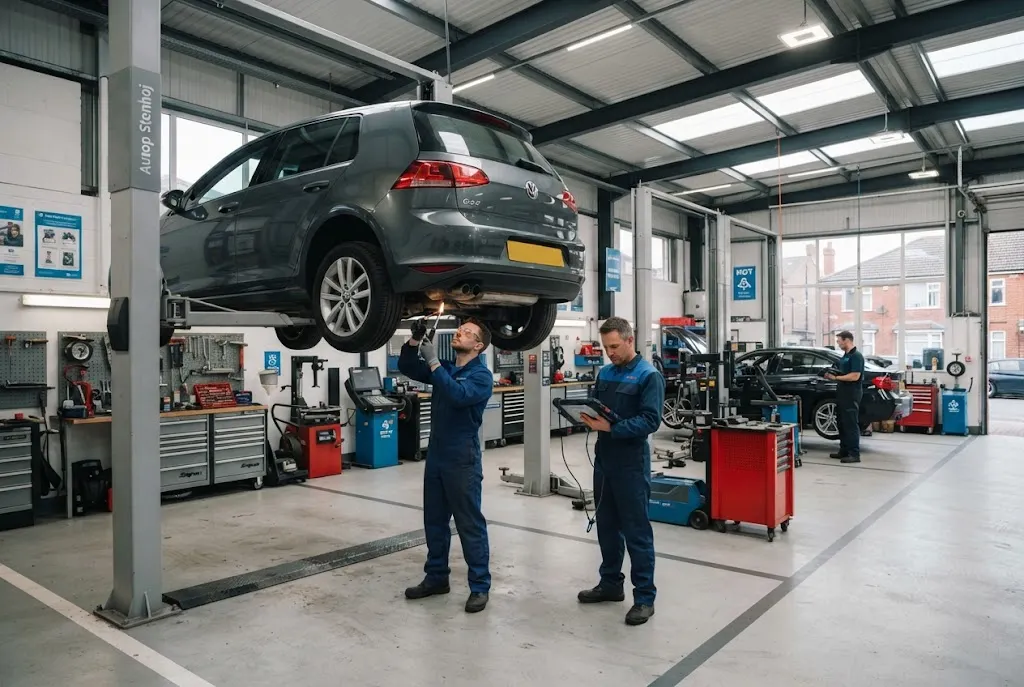
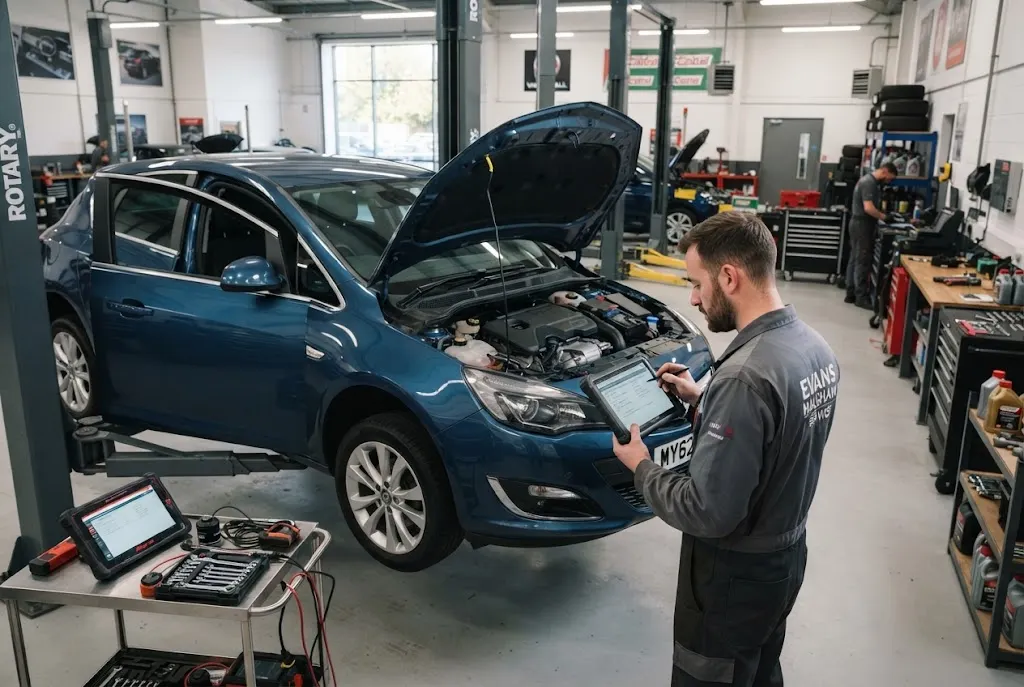
Vehicle maintenance is the routine care, inspection and servicing carried out to keep a car operating safely and reliably. It includes both simple checks that drivers can perform themselves and more technical work that should be handled by a qualified technician.
Maintenance can involve checking tyre pressures, fluid levels and lights, as well as inspecting brakes, suspension, steering and other components. Scheduled servicing can include replacing consumable items and completing manufacturer-specific maintenance tasks.
The precise requirements depend on the vehicle. Manufacturer recommendations, mileage, age, driving conditions and service history all influence the appropriate maintenance schedule.
Why Vehicle Maintenance Matters
A car does not remain in the same condition simply because it passed its last MOT or was serviced several months ago. Components continue to experience wear whenever the vehicle is driven.
Regular maintenance provides opportunities to notice changes before they become more serious. A tyre slowly losing pressure, an unusual brake noise or a dashboard warning light may provide an early indication that further investigation is needed.
Maintenance also supports reliability. While no maintenance routine can guarantee that a vehicle will never break down, keeping important systems inspected and serviced can reduce the likelihood of avoidable problems.
There is a financial benefit to planning as well. Understanding which maintenance items are approaching their recommended service point can help owners budget for work instead of being surprised by every garage visit.
Vehicle Maintenance Starts With the Manufacturer’s Schedule
There is no universal maintenance schedule that works for every car. The owner’s handbook and official manufacturer information should be the starting point for understanding what your vehicle requires.
Manufacturer schedules may specify particular mileage or time intervals for servicing, fluid changes, filters and inspections. Some components may have replacement intervals that are especially important for a particular engine or model.
Driving conditions can also influence maintenance. Frequent short journeys, high mileage, heavy loads and demanding driving conditions may affect certain components differently from occasional longer journeys.
If you are unsure when specific maintenance is due, check the vehicle’s documentation or ask a suitable service provider to review its maintenance history.
Essential Vehicle Maintenance Checks
Drivers do not need specialist mechanical knowledge to perform several useful routine checks. Simple observations can help identify issues that need professional attention.
Check Your Tyres
Tyres are directly connected to braking, steering and road contact, making their condition particularly important. Check tyre pressures regularly and use the recommended pressures specified by the vehicle manufacturer.
Also look for visible cuts, bulges, cracks or unusual tread wear. If one tyre appears to be wearing differently from the others, it may be worth having the vehicle inspected because uneven wear can sometimes indicate an underlying issue.
Inspect Lights
Headlights, brake lights, indicators, rear lights and other required lighting should be checked regularly. A failed bulb may reduce visibility or make it harder for other road users to understand your intentions.
Clean lenses and replace defective bulbs or have electrical faults investigated when necessary.
Monitor Fluid Levels
Vehicles use several fluids to support different systems. Depending on the vehicle, these can include engine oil, coolant, brake fluid, screenwash and other manufacturer-specified fluids.
Check fluid levels according to the manufacturer’s instructions. If a fluid level repeatedly falls, do not simply keep topping it up without investigating the reason. A leak or another mechanical problem may need attention.
Pay Attention to Brakes
Brake performance should never be ignored. Changes such as unusual squealing or grinding, vibration during braking, pulling to one side or a noticeably different pedal feel can justify professional inspection.
Brake components wear at different rates depending on the vehicle and driving conditions. A routine inspection can help determine whether replacement or further investigation is required.
Listen for Unusual Noises
Drivers often notice changes in a vehicle before a fault becomes obvious during a formal inspection. New rattles, knocks, squeaks, grinding sounds or unusual engine noises should not automatically be dismissed.
Pay attention to when the sound occurs. Does it happen during braking, turning, acceleration, starting the engine or driving over uneven surfaces? Providing these details to a technician can make diagnosis easier.
Preventive Vehicle Maintenance
Preventive maintenance focuses on addressing routine requirements and identifying potential problems before they cause a breakdown or become more expensive to resolve.
It can include scheduled servicing, replacing worn consumable components, checking fluid condition and monitoring safety-critical systems. The aim is not to replace parts unnecessarily, but to follow a sensible maintenance plan based on the vehicle’s actual needs.
A preventive approach can also make ownership easier because maintenance becomes a planned process. Instead of treating every problem as an unexpected emergency, drivers can keep track of upcoming service requirements and known wear items.
This is particularly useful for vehicles with higher mileage, where several maintenance considerations may overlap.
Vehicle Maintenance Between Services
Scheduled servicing does not mean a driver can ignore the vehicle until the next garage appointment. Conditions can change considerably between services.
A useful routine is to carry out basic visual checks at regular intervals and before longer journeys. Check tyres, lights, visible fluid leaks and any warning indicators. If something appears unusual, investigate it rather than waiting for the next scheduled service.
GOV.UK’s guidance on vehicle safety explains that drivers have an ongoing responsibility to ensure their vehicles are safe and roadworthy. It also highlights the importance of routine checks rather than relying solely on the MOT certificate. GOV.UK’s vehicle safety guidance provides practical information on checks drivers should make.
Vehicle Maintenance and Car Servicing
Maintenance and servicing are closely connected, but they are not exactly the same thing. Everyday maintenance includes the routine checks and care that help an owner monitor the vehicle. Servicing is scheduled professional maintenance carried out according to a vehicle’s requirements.
For example, checking tyre pressure may form part of routine ownership, while a scheduled service may include a broader inspection and replacement of maintenance items.
Our detailed car servicing guide explains service intervals, interim services, full services and major maintenance visits in greater detail.
Keeping both activities organised creates a stronger maintenance routine. The service history tells you what professional work has been completed, while regular checks help identify changes between appointments.
How Service Records Support Vehicle Maintenance
Good records make maintenance planning much easier. Keep service invoices, repair receipts and relevant inspection information together so you can see what has already been completed.
A useful record should ideally show the date, mileage, work carried out and any parts or fluids replaced. Digital records can also be useful, particularly if the vehicle has moved between different garages.
When buying a used car, service records can provide valuable background information. They do not replace an inspection of the vehicle’s current condition, but they can help establish how consistently it has been maintained.
Vehicle Maintenance for Older Cars
Older vehicles often require more attention because components experience wear over time as well as mileage. Age can affect rubber components, batteries, suspension parts, seals, exhaust components and other systems.
That does not mean every older vehicle is unreliable. A well-maintained older car can continue to provide dependable transport when its maintenance requirements are properly understood.
Owners should pay particular attention to service history and recurring problems. If a component has already been repaired, keep the documentation so future technicians have useful background information.
For older cars, preventive maintenance can be especially valuable because identifying a developing problem early may give the owner more options for dealing with it.
Vehicle Maintenance Before Long Journeys
A longer journey is a good opportunity to perform a basic vehicle check. This is especially useful when travelling with passengers, luggage or additional loads.
Check tyre pressures, including the spare tyre where fitted, and inspect tyres for visible damage. Make sure essential lights work and check fluid levels according to the manufacturer’s instructions.
It is also sensible to pay attention to warning lights and any unusual behaviour before setting off. If the vehicle has recently developed a braking, steering or engine problem, professional assessment may be more appropriate than simply hoping it will complete the journey.
These simple checks do not guarantee that a vehicle will remain trouble-free, but they can help identify obvious issues before departure.
Common Vehicle Maintenance Mistakes
Relying Only on the MOT
An MOT is important, but it should not be treated as an annual maintenance programme. A vehicle can require servicing or repairs even when its MOT is current.
Ignoring Dashboard Warning Lights
Warning lights exist to communicate potential problems. Ignoring them for long periods can allow a fault to develop further. Check the owner’s handbook or seek professional advice when a warning appears and you are unsure what it means.
Forgetting Tyre Pressure
Incorrect tyre pressures can affect handling, tyre wear and fuel efficiency. Check pressures regularly and use the manufacturer’s recommended figures rather than relying on a generic number.
Delaying Unusual Repairs
A small noise or minor change in vehicle behaviour may not always indicate a serious fault, but it is worth investigating. Early diagnosis can provide more information about the problem and its urgency.
Assuming Every Car Has the Same Schedule
Service and maintenance requirements differ significantly between models. Following advice intended for another vehicle can result in missed maintenance or unnecessary work.
How to Create a Vehicle Maintenance Schedule
A simple schedule can make ongoing ownership much easier. Start by recording the vehicle’s current mileage, last service date and known maintenance history.
Next, review the manufacturer’s recommendations and identify upcoming service requirements. Add regular driver checks for tyres, lights and fluid levels, then keep a record of repairs and replacement parts.
You can organise the schedule around three broad categories:
- Regular checks: tyres, lights, fluid levels and visible signs of damage.
- Scheduled maintenance: manufacturer-recommended servicing and component inspections.
- Condition-based work: repairs or replacements triggered by wear, faults or unusual vehicle behaviour.
This structure keeps maintenance practical without turning vehicle ownership into an unnecessarily complicated process.
When Professional Vehicle Maintenance Is Needed
Some maintenance tasks require specialist equipment, technical knowledge or access to vehicle-specific diagnostic information. Brake repairs, suspension work, electrical faults, engine problems and many other repairs are best assessed by a suitable professional.
If you are unsure whether a problem is safe to drive with, seek professional advice rather than taking unnecessary risks. Describe the symptoms clearly and provide the vehicle’s service history where available.
If a garage recommends additional work, ask what has been found, why it is necessary and how urgent it is. For significant repairs, requesting a written quotation can make the decision easier.
For more information about diagnosing and dealing with faults, see our guide to auto repair services.
Vehicle Maintenance and Long-Term Reliability
Reliability is not determined by one service or one inspection. It develops through consistent care over the life of the vehicle.
Following the manufacturer’s schedule, carrying out routine checks, keeping records and responding to problems promptly can create a much more structured ownership approach. It also helps owners understand the difference between normal wear and signs of a developing fault.
There will still be unexpected breakdowns and component failures. No maintenance routine can eliminate those risks completely. However, good maintenance gives drivers a better foundation for dealing with them.
Final Thoughts on Vehicle Maintenance
Vehicle maintenance is an ongoing responsibility that extends well beyond the annual MOT. Regular checks, scheduled servicing, preventive care and timely repairs all contribute to a sensible approach to vehicle ownership.
The most effective routine is not necessarily the most complicated one. Start with the manufacturer’s maintenance schedule, keep accurate records and make basic safety checks part of your normal driving routine.
Pay attention to changes in tyres, brakes, steering, lights, fluids, warning indicators and unusual noises. When something does not seem right, getting it assessed can provide useful information before deciding what action to take.
Ultimately, good vehicle maintenance is about staying informed and planning ahead. By understanding what your car needs and keeping track of its condition, you can make more confident maintenance decisions throughout its life.