

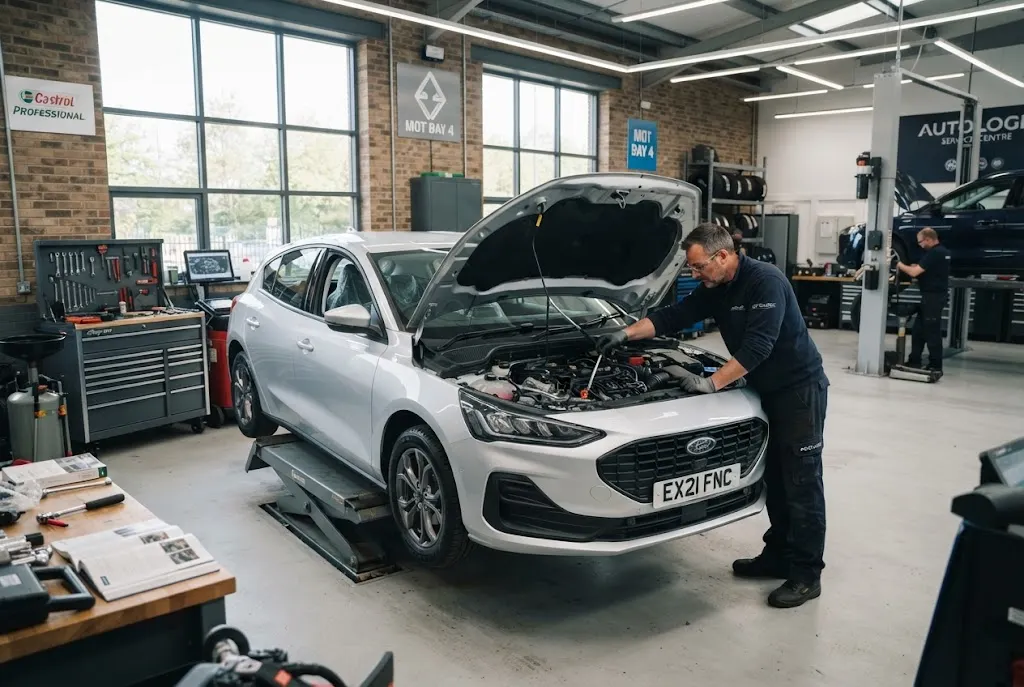
Car servicing is an important part of responsible vehicle ownership. Unlike an MOT, which checks whether a vehicle meets specific legal safety and environmental standards at the time of testing, a service is focused on maintaining the vehicle and identifying potential issues before they become more serious.
Understanding when your car needs servicing, what different service types mean and which checks may be included can make maintenance planning much easier. For UK drivers, a sensible servicing routine can also help keep service records organised and provide a clearer picture of a vehicle’s condition throughout its ownership.
What Is Car Servicing?
Car servicing is a scheduled maintenance process designed to inspect and maintain a vehicle according to its condition, usage and manufacturer’s recommendations. The exact work carried out depends on the vehicle, its age, mileage, engine, service history and the manufacturer’s maintenance schedule.
A service may include checks and replacement of routine maintenance items such as engine oil, oil filters, air filters or other components where required. Technicians may also inspect brakes, tyres, suspension, steering, lights, fluid levels and other systems depending on the service schedule.
The important distinction is that servicing is not simply another name for an MOT. A service is part of ongoing maintenance, whereas an MOT is a statutory test with defined inspection requirements.
Why Car Servicing Matters
Regular servicing gives drivers an opportunity to maintain their vehicles systematically rather than waiting until a fault becomes obvious. Some components deteriorate gradually, and routine inspections can help identify wear or developing problems.
Servicing can also support better maintenance planning. If a technician identifies a component that is approaching the end of its useful service life, the owner may have an opportunity to plan the work rather than dealing with an unexpected failure later.
Keeping a consistent service history also provides useful ownership information. A well-organised record can show when maintenance was carried out, what parts were replaced and which issues have already been addressed.
Car Servicing Intervals: How Often Should You Service a Car?
There is no single service interval that applies to every vehicle. Manufacturers establish servicing schedules based on the design and requirements of individual models, engines and components.
Some vehicles use mileage-based intervals, while others also use time-based schedules. Certain modern cars may monitor driving conditions and display service information through the vehicle’s onboard systems.
The safest starting point is therefore the manufacturer’s handbook or official servicing information for your particular vehicle. Factors such as high mileage, frequent short journeys, heavy loads and demanding driving conditions may also influence maintenance requirements.
Rather than assuming that every car needs an annual service at exactly the same mileage, drivers should follow the schedule specified for their vehicle and discuss unusual usage patterns with a qualified service provider.
Why Service Records Are Important
Service records create a useful maintenance timeline. They can show the date and mileage of previous services, work completed and parts or fluids that were replaced.
For owners, this information helps with future maintenance planning. For buyers of used vehicles, a consistent service history can provide useful evidence about how the car has been maintained.
Keep invoices, digital service records and relevant garage documentation together where possible. A complete history is much more useful than relying on memory.
Full Car Service vs Interim Service
The terms used by garages can vary, so it is important to check exactly what is included before booking. However, full and interim services are generally used to describe different levels or scopes of routine maintenance.
What Is an Interim Service?
An interim service is generally a more limited maintenance visit intended for vehicles that require servicing between more comprehensive scheduled services. Depending on the vehicle and garage, it may include routine checks, an engine oil and filter change and inspections of important components.
The precise contents should always be confirmed with the garage because there is no universal checklist that makes every interim service identical.
What Is a Full Car Service?
A full car service usually involves a broader range of maintenance checks than an interim service. The technician may inspect more vehicle systems and carry out additional scheduled maintenance according to the manufacturer’s requirements.
Again, the phrase “full service” does not guarantee an identical set of tasks at every garage. Before authorising work, ask for a clear explanation of the service schedule and what is included in the quoted price.
What Is a Major Service?
A major service is generally a more extensive scheduled maintenance visit. It may occur at a particular mileage or time interval and can include replacement or inspection of additional components specified by the manufacturer.
For example, certain vehicles have scheduled replacement requirements for particular filters, fluids or timing-system components. Whether these items are due depends on the vehicle manufacturer’s maintenance schedule.
That is why service terminology alone should not determine what your car needs. The vehicle’s official maintenance schedule is the more useful reference.
What Does a Car Service Usually Include?
The exact service checklist varies between vehicles and service providers, but common maintenance areas can include:
- Engine oil and oil filter checks or replacement where required
- Fluid level and condition checks
- Brake system inspection
- Tyre condition and pressure checks
- Lights and electrical system checks
- Steering and suspension inspections
- Windscreen, wipers and washers checks
- Inspection of visible leaks or unusual wear
- Manufacturer-specific maintenance items
A technician may also identify faults that are outside the routine service itself. If this happens, the garage should explain what has been found and what work is recommended.
Not every inspection means a component needs replacing. Good maintenance decisions should be based on the actual condition of the vehicle and the manufacturer’s recommendations.
Car Servicing and MOT: What’s the Difference?
One of the most common areas of confusion for drivers is the relationship between a service and an MOT.
The MOT is a statutory test that checks whether eligible vehicles meet required roadworthiness and environmental standards. GOV.UK explains that the MOT inspection is designed to check vehicles against these standards and that the electronic MOT record contains the legal record of the test.
Servicing is different. It is routine maintenance designed to keep the vehicle operating properly and to identify maintenance requirements.
This means a vehicle can pass an MOT and still be due for a service. Likewise, having a car serviced does not automatically mean that it will pass its next MOT.
For a broader explanation of how these responsibilities fit together, our guide to auto services provides an overview of servicing, maintenance, repairs and MOT considerations.
Can You Service a Car Before Its MOT?
Yes. Some drivers choose to have their vehicle serviced before an MOT so that potential maintenance issues can be identified separately from the statutory test.
However, a service should not be treated as a guaranteed way to pass an MOT. The MOT has its own inspection criteria and the tester makes the final decision based on the condition of the vehicle at the time of testing.
If you arrange both appointments close together, make sure you understand which work relates to routine servicing and which relates specifically to an MOT failure or advisory.
How to Prepare for a Car Service
A little preparation can make a service appointment more useful.
Check Your Service History
Before booking, review your previous service records. This can help identify when the last service took place and which scheduled maintenance items have already been completed.
Note Any Changes in the Vehicle
Write down unusual noises, warning lights, vibrations, changes in fuel consumption, fluid leaks or changes in braking and steering behaviour. Even if the issue seems minor, telling the technician about it can help direct the inspection.
Check What the Service Includes
Ask the garage for a clear description of the planned work. If you have been offered an interim, full or major service, ask what checks and replacements are included and whether manufacturer-specific maintenance is covered.
Ask About Additional Repairs
If additional work is recommended, ask why it is required, how urgent it is and what could happen if it is delayed. For larger repairs, a written quotation can help you compare options and understand the expected cost.
Car Servicing for Older Vehicles
Older vehicles can require a more considered maintenance approach because age and mileage can affect components differently. Rubber components, suspension parts, batteries, exhaust components, cooling-system parts and other items may require attention as a vehicle ages.
This does not mean that every older car automatically needs expensive repairs. Instead, maintenance decisions should be based on condition, service history, mileage, usage and the manufacturer’s recommendations.
A clear service record becomes particularly useful with an older vehicle because it can show which major maintenance jobs have already been completed and which areas may need attention next.
For more practical advice about ongoing checks between services, see our guide to vehicle maintenance.
What Happens If You Miss a Service?
Missing a scheduled service does not necessarily mean that the vehicle will immediately develop a fault. However, delaying maintenance can make it easier for routine servicing requirements to be overlooked.
If you have missed a service, check the manufacturer’s schedule and arrange an assessment rather than simply waiting for the next planned interval. Tell the garage the current mileage, the date of the last known service and any problems you have noticed.
If the vehicle has an incomplete history, the technician may recommend bringing certain maintenance items up to date. The exact work required depends on the vehicle and its records.
How to Choose a Car Service Provider
When choosing a garage, consider whether it has experience with your vehicle type and whether it can provide a clear explanation of the service being offered.
Price is important, but it should not be the only consideration. Look at the scope of the service, parts being used, workmanship, warranty arrangements and the quality of the documentation provided after the work.
A good service record should make it clear what was inspected and what work was completed. If additional repairs are identified, you should be able to understand why they have been recommended.
Car Servicing and Long-Term Ownership Planning
Servicing works best when it becomes part of a wider ownership plan. Instead of treating maintenance as an unexpected expense, drivers can use the manufacturer’s schedule and previous records to anticipate upcoming work.
For example, if a scheduled maintenance item is approaching, you can budget for it in advance. If tyres or brakes are showing wear but remain serviceable, you may be able to plan their replacement instead of waiting until they become an urgent issue.
This approach can make vehicle ownership more predictable and can help reduce the temptation to postpone important maintenance simply because the car appears to be driving normally.
Car Servicing: Key Questions to Ask
Before approving a service or additional work, consider asking:
- Which service is appropriate for my vehicle?
- What does the service package include?
- What does the manufacturer’s schedule require at this mileage?
- Are any additional maintenance items due?
- Have you identified any faults or worn components?
- Which recommended repairs are urgent?
- Will I receive an itemised invoice or service record?
These questions can help turn a routine garage visit into a more useful ownership check.
Final Thoughts on Car Servicing
Car servicing is an essential part of maintaining a vehicle over the long term. The right service schedule depends on the individual vehicle, its manufacturer’s recommendations, mileage, age, usage and maintenance history.
Understanding the difference between interim, full and major services can help drivers choose the appropriate maintenance without assuming that every service package is the same. Just as importantly, servicing should be viewed separately from the MOT. The MOT is a statutory test, while servicing is part of ongoing vehicle maintenance.
By keeping accurate records, following the manufacturer’s schedule, reporting unusual symptoms and asking clear questions about additional work, UK drivers can make more informed decisions and build a more reliable maintenance routine.
Good servicing is ultimately about planning ahead. The better you understand your vehicle’s maintenance requirements, the easier it becomes to keep the car in good condition and deal with problems before they become bigger ownership issues.
