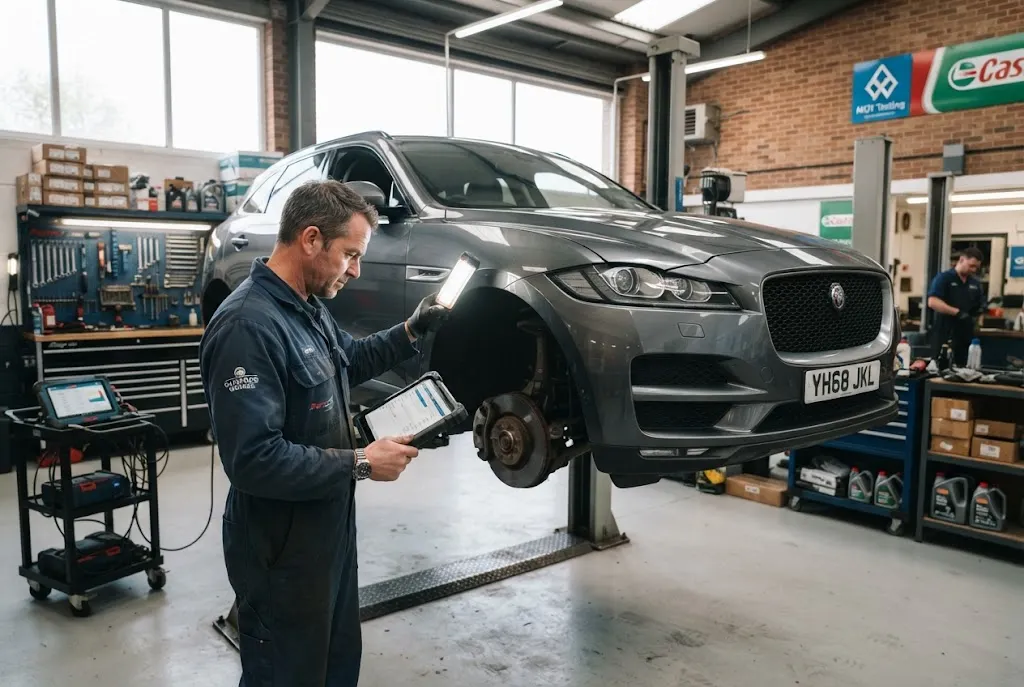
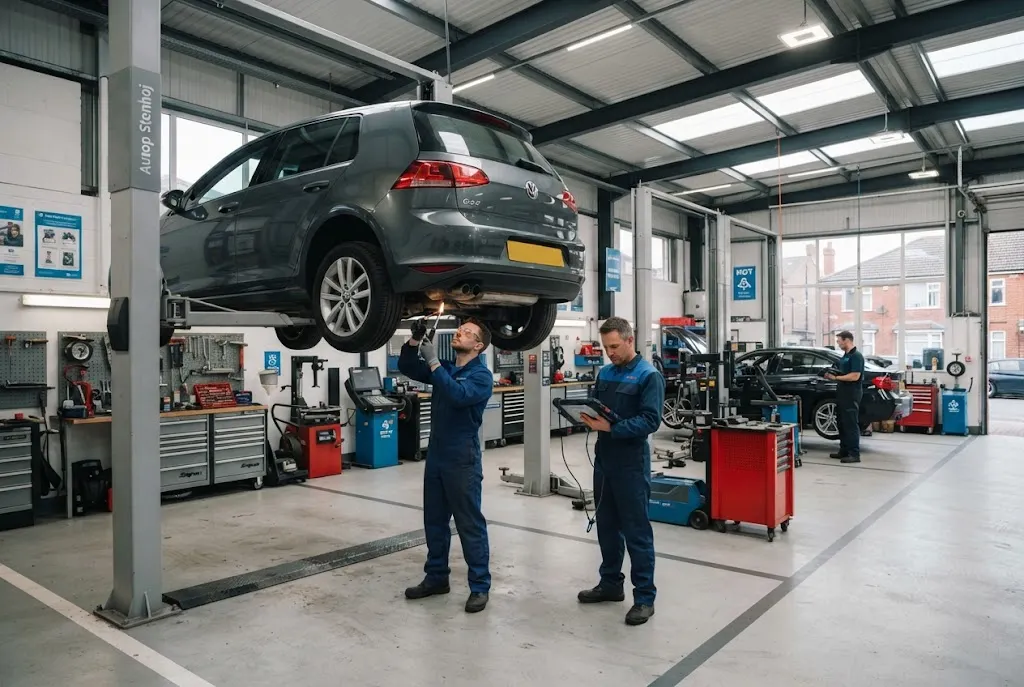
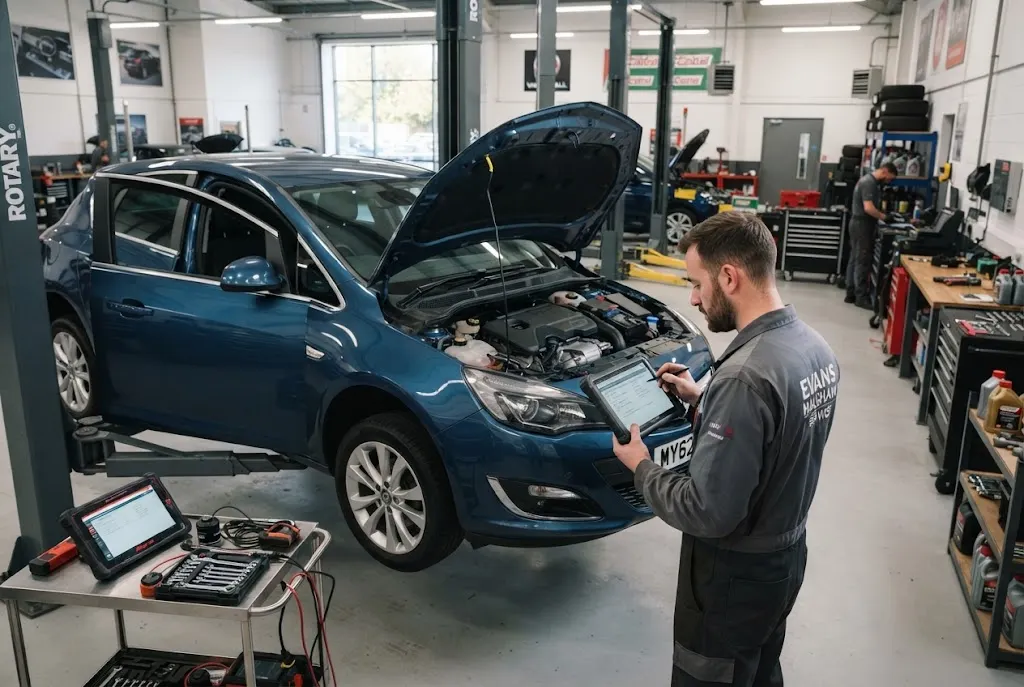
Understanding auto services makes it easier to look after your vehicle, recognise developing problems and plan routine maintenance before minor issues become expensive repairs. From regular servicing and tyre checks to MOT preparation and workshop repairs, knowing what your car needs can make everyday ownership safer and more predictable.
For UK drivers, vehicle care involves more than simply booking an annual MOT. An MOT checks whether a vehicle meets specific road safety and environmental standards at the time of the test, while servicing and maintenance are ongoing parts of responsible ownership. Keeping these areas separate but connected is an important part of good automotive knowledge.
What Are Auto Services?
Auto services cover the practical work required to maintain, inspect, service and repair cars and other road vehicles. Depending on the vehicle and its condition, this can include routine servicing, oil and filter changes, brake inspections, tyre checks, battery work, diagnostics, repairs and other maintenance tasks.
The exact work required varies according to the vehicle manufacturer’s recommendations, its age, mileage, driving conditions and previous service history. A newer car with a complete service record may need a different maintenance approach from an older vehicle with higher mileage.
Good auto care is therefore not about following one universal checklist. It is about understanding the vehicle’s requirements and creating a sensible maintenance routine around them.
Why Auto Services Matter for Vehicle Ownership
Regular vehicle care can help drivers identify problems before they develop into larger faults. A worn component, low fluid level or damaged tyre may initially appear minor, but ignoring warning signs can affect safety, reliability and repair costs.
Routine maintenance also gives owners a clearer picture of their vehicle’s condition. Instead of waiting for a breakdown or warning light, drivers can use servicing and inspections as opportunities to identify wear and address problems progressively.
There is also a practical ownership benefit. Keeping invoices, service records and repair information organised creates a useful history of the vehicle. This can help when diagnosing future faults and may also be valuable when selling the car.
Auto Services Every Driver Should Understand
Not every vehicle needs the same work at the same time, but several areas form the foundation of responsible car ownership.
Routine Car Servicing
Car servicing is designed to maintain the vehicle rather than simply test whether it currently meets the legal requirements of an MOT. Depending on the service schedule, a garage may inspect or replace items such as engine oil, filters, fluids, brakes, tyres and other components.
Service intervals should normally be based on the vehicle manufacturer’s recommendations. Drivers should check the owner’s handbook or manufacturer’s servicing information rather than assuming that every car follows the same mileage or time interval.
For a deeper explanation of service types and maintenance planning, see our guide to car servicing.
Vehicle Maintenance
Vehicle maintenance includes the ongoing checks and care carried out between formal services. This can involve checking tyre pressures, monitoring fluid levels, inspecting lights and paying attention to unusual noises, vibrations or warning lights.
These simple routines are particularly important because a vehicle can develop a problem between scheduled garage visits. GOV.UK advises drivers that they are responsible for ensuring their vehicle remains roadworthy and notes that a vehicle can be unsafe even when it has a current MOT certificate. GOV.UK’s vehicle safety guidance also outlines routine checks drivers should make.
Our detailed vehicle maintenance guide can help drivers build a more structured approach to everyday car care.
Auto Repair Services
Repairs become necessary when a component has failed, become excessively worn or developed a fault that requires corrective work. Common examples can include brake repairs, suspension work, battery replacement, exhaust repairs, clutch-related work and electrical or mechanical fault diagnosis.
The important point is to understand the difference between maintenance and repair. Maintenance aims to reduce deterioration and identify problems early, while repair work addresses an existing fault or damaged component.
When a garage recommends a repair, drivers should understand what has failed, why the work is necessary, whether the vehicle remains safe to drive and what the likely consequences are if the repair is delayed. Our guide to auto repair services explores these decisions in more detail.
MOT Testing
An MOT is a legal test for eligible vehicles in Great Britain that checks whether the vehicle meets required safety and environmental standards. For most cars, the first MOT is due by the third anniversary of registration, followed by annual testing. GOV.UK confirms that an MOT certificate does not replace the owner’s responsibility to keep the vehicle roadworthy.
The current DVSA inspection manual covers areas including brakes, steering, visibility, lighting, tyres, wheels, suspension and emissions. The exact inspection requirements depend on the vehicle and its class.
This distinction matters because passing an MOT does not mean that a car does not need servicing or maintenance during the following year.
How Auto Services Fit Together
One of the easiest ways to understand vehicle care is to think of it as a continuous cycle rather than a collection of unrelated garage visits.
Routine checks help you notice changes in the vehicle. Servicing provides scheduled maintenance and inspections. MOT testing checks specific legal safety and environmental requirements. Repairs address faults that have developed or components that need replacement.
These activities support each other, but they are not interchangeable.
For example, a car may pass its MOT but still require an oil change according to the manufacturer’s schedule. Equally, a vehicle may have recently been serviced but still fail an MOT because a component has subsequently developed a defect.
A sensible ownership plan therefore considers servicing, maintenance, MOT requirements and repairs together.
How to Build a Practical Car Maintenance Routine
A useful maintenance routine does not need to be complicated. The most important step is to know what your particular vehicle requires and keep track of when work has been completed.
Check the Manufacturer’s Schedule
Start with the owner’s handbook and official manufacturer guidance. These sources provide the vehicle-specific information needed to understand service intervals, recommended fluids and inspection requirements.
Driving conditions can also influence maintenance needs. Frequent short journeys, high annual mileage, heavy loads and demanding driving conditions may affect how quickly certain components wear.
Keep Service and Repair Records
Keep invoices, service records and information about major repairs in one place. A clear history can make future maintenance planning easier and gives a garage useful background when diagnosing a recurring problem.
It can also provide useful evidence of how the vehicle has been maintained if you eventually decide to sell it.
Pay Attention to Warning Signs
Drivers should not ignore changes in how a vehicle feels or sounds. Warning lights, unusual noises, fluid leaks, steering changes, brake performance issues, vibration and unusual tyre wear can all justify further investigation.
The earlier a potential fault is assessed, the easier it may be to understand the problem and decide what action is appropriate.
Check Safety-Critical Items Regularly
Lights, brakes, tyres, steering and visibility deserve particular attention because they directly affect safe driving. The Highway Code’s vehicle maintenance guidance highlights the importance of keeping systems such as lights, brakes, steering, exhausts, seat belts, wipers and washers in proper working condition.
Tyres also need regular attention. Drivers should check pressures using the vehicle manufacturer’s recommended figures and look for cuts, damage or unusual wear.
Choosing the Right Auto Service for Your Vehicle
Choosing a service should begin with the vehicle’s actual needs rather than simply selecting the cheapest available option. Before booking work, check what type of service is appropriate, what is included and whether the garage follows the manufacturer’s schedule where relevant.
For repairs, ask the garage to explain the fault and proposed solution in straightforward language. If several repairs are identified, ask which items are safety-critical, which should be addressed soon and which can reasonably be planned for later.
A written quotation can also make it easier to understand labour, parts and any additional diagnostic charges before authorising work.
How to Avoid Unnecessary Automotive Costs
Good maintenance is not about replacing every component at the first sign of wear. It is about making informed decisions based on the vehicle’s condition, manufacturer’s recommendations and the seriousness of the problem.
Preventive maintenance can help reduce the risk of avoidable breakdowns, but drivers should also avoid replacing parts without a clear reason. If a garage recommends expensive work, understanding the diagnosis and urgency can help you make a more confident decision.
Comparing written quotations can be useful when substantial repair work is involved. However, price should not be the only consideration. The quality of parts, workmanship, warranty arrangements and the garage’s ability to carry out the required work also matter.
Auto Services and Roadworthiness
Roadworthiness is an ongoing responsibility. GOV.UK states that a vehicle can be unsafe to drive even when it has a current MOT certificate, which is why drivers should not treat the MOT as a substitute for regular maintenance.
This is particularly important when buying a used car. A recent MOT can provide useful information about the vehicle’s test history, but buyers should also consider service records, current condition, tyre condition, warning lights and evidence of previous repairs.
Drivers should also pay attention to manufacturer recalls and safety notices. GOV.UK explains that some vehicle faults are registered with the DVSA when they could make a vehicle unsafe in the future or cause it to no longer meet legal standards.
Common Mistakes in Car Care
Many vehicle problems become more difficult because routine care is postponed or warning signs are ignored. Common mistakes include relying entirely on the MOT, missing scheduled servicing, ignoring dashboard warning lights and failing to check tyre condition.
Another common mistake is assuming that every car needs the same service at the same mileage. Maintenance schedules differ between manufacturers, engines and vehicle models, so the owner’s handbook remains an important reference.
Finally, drivers should avoid making repair decisions without understanding what has actually failed. A clear diagnosis is the starting point for deciding whether a repair should be completed immediately, planned for later or investigated further.
Building Better Automotive Knowledge
You do not need to become a mechanic to become a more informed vehicle owner. Basic automotive education can help you understand service terminology, recognise common warning signs and communicate more effectively with a garage.
Learning the difference between servicing, maintenance, MOT testing and repair is a strong starting point. From there, drivers can develop their knowledge around specific areas such as brakes, tyres, batteries, fluids, warning lights and common mechanical faults.
This approach can make ownership less reactive. Instead of waiting until something goes wrong, you can use service records, maintenance schedules and regular checks to plan ahead.
Final Thoughts on Auto Services
Auto services are best understood as part of an ongoing approach to vehicle ownership rather than a single annual appointment. Servicing helps maintain the vehicle, routine maintenance helps identify developing issues, repairs address faults and the MOT checks specific legal safety and environmental standards.
By keeping accurate records, following the manufacturer’s maintenance recommendations, checking safety-critical components and responding to warning signs, drivers can make better decisions about their vehicles. The goal is not simply to pass the next MOT or avoid the next repair bill. It is to maintain a safer, more reliable vehicle throughout its ownership.
For UK drivers, building this knowledge is one of the simplest ways to approach car ownership with greater confidence and fewer surprises.