Some maintenance expenses can be planned in advance, while unexpected mechanical problems can require immediate attention. Knowing the difference between routine servicing, wear-related maintenance and significant repairs can help drivers prioritise spending while keeping their vehicles safe and roadworthy.
Why Vehicle Repair Costs Vary
Vehicle repair costs are rarely determined by one factor. The same type of repair can cost different amounts depending on the vehicle’s make and model, the complexity of the fault, the parts required and the amount of technician time involved.
A straightforward component replacement may involve relatively little diagnostic work, while an intermittent electrical or engine fault may require considerably more investigation before the underlying problem can be identified.
Parts availability can also influence the final bill. Some vehicles have widely available replacement parts, while specialist or less common components may be more expensive or take longer to source.
Labour Charges and Repair Time
Labour charges are an important part of most garage invoices. Garages generally calculate labour according to the time required for a repair or their applicable labour rate.
However, repair time is not always obvious from the component being replaced. Access to a particular part may require the removal of other components, while diagnosis can take additional time when a fault is difficult to reproduce.
When comparing quotations, ask whether the labour charge includes diagnosis, fitting, testing and any necessary adjustments. This gives you a clearer picture of what the quoted price actually covers.
Parts Pricing and Replacement Options
Parts pricing can account for a substantial portion of a repair bill. Depending on the vehicle and repair, a garage may be able to offer different replacement-part options.
These can include manufacturer-branded components, aftermarket parts or other compatible options. The appropriate choice depends on the component, vehicle, repair requirements and the garage’s recommendation.
Rather than focusing only on the cheapest part, ask what is being supplied, whether it is suitable for the vehicle and what warranty or guarantee applies to the work and component where relevant.
Repair Costs vs Routine Servicing
Routine servicing and repairs are related but different areas of vehicle ownership. Servicing follows the vehicle’s maintenance requirements and is intended to inspect and maintain relevant systems at specified intervals.
Repairs, by contrast, address faults, damage or component failures that require corrective work.
Keeping up with vehicle maintenance does not guarantee that unexpected repairs will never occur. However, regular inspections and servicing can help identify developing problems and may make future maintenance easier to plan.
Why Diagnosis Matters Before Repair
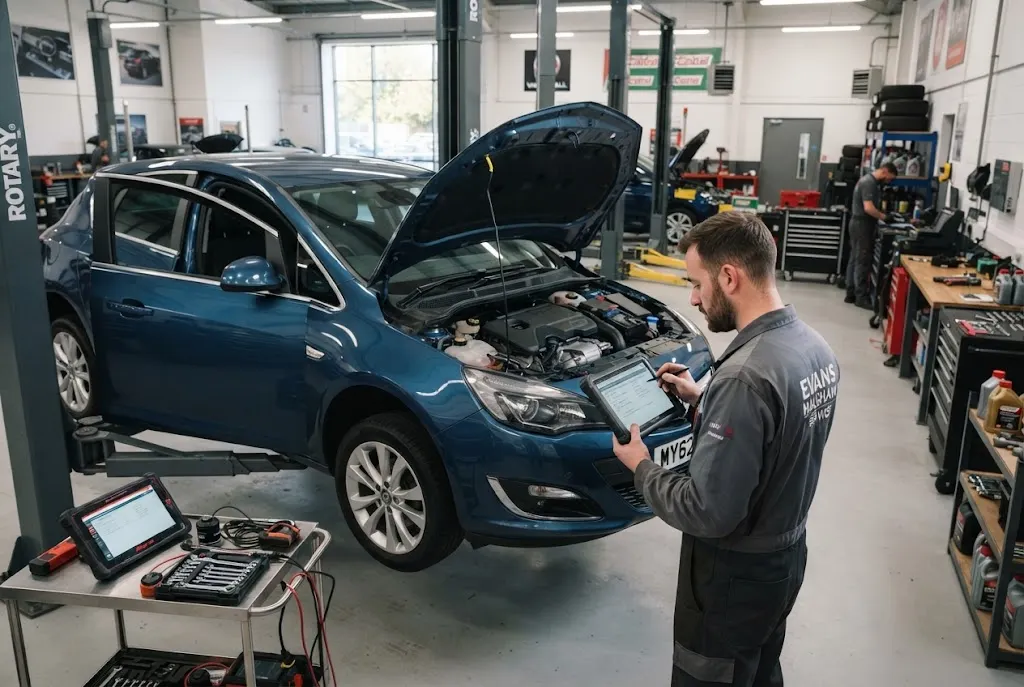
A diagnosis should establish what is causing the problem before significant parts are replaced. This is particularly important with modern vehicles, where multiple systems can produce similar symptoms.
For example, an engine warning light does not necessarily identify a single failed component. A technician may need to combine diagnostic information with physical inspections and testing to determine the underlying cause.
Paying for appropriate diagnosis can therefore be worthwhile when it prevents unnecessary replacement of components that were not actually responsible for the fault.
Quotes vs Estimates for Vehicle Repairs
One of the most important things to understand when discussing vehicle repair costs is the difference between a quote and an estimate.
A quote generally represents an agreed price for specified work. An estimate is a prediction of what the work is expected to cost and may change if the garage discovers additional work is required.
Citizens Advice explains that where a price has been agreed before work begins, the position is different from situations where the garage has only provided an estimate. If no price was agreed, consumer law can require a reasonable price for the service.
For this reason, drivers should ask the garage to clarify whether the figure provided is a fixed quote or an estimate before authorising significant work.
Get Approval Before Additional Work
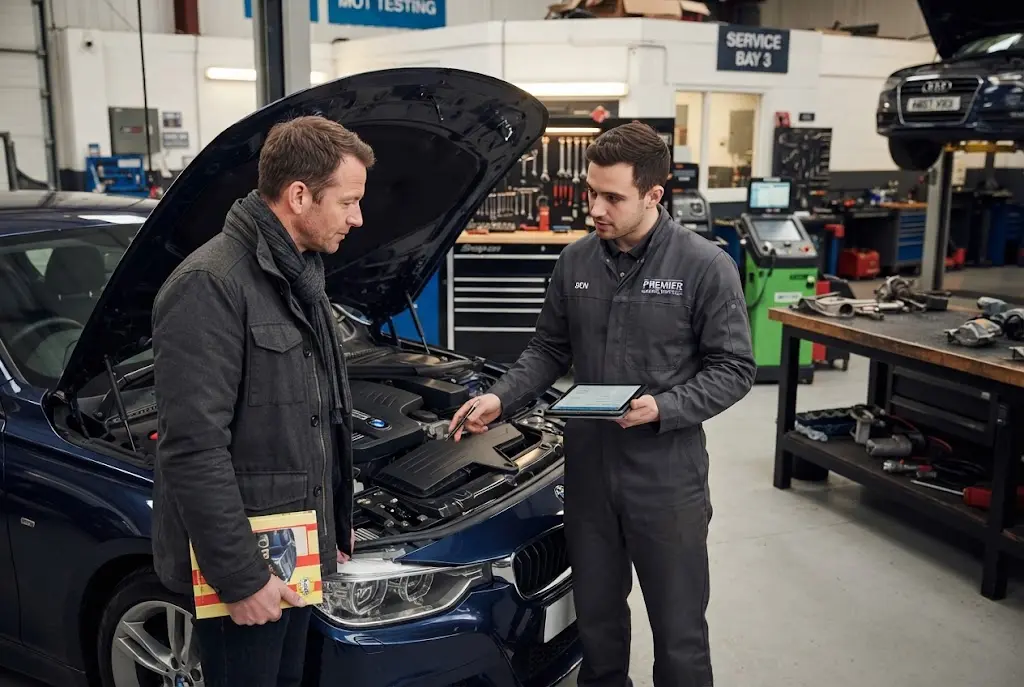
A vehicle inspection can reveal problems that were not obvious when the car was booked into the garage. If additional work is required, ask the garage to explain what has been discovered and how it will affect the final bill.
For larger repairs, it can be sensible to agree a maximum additional amount that the garage can authorise without contacting you. This creates a clearer process if unexpected problems are discovered during dismantling or inspection.
Citizens Advice notes that if a customer asked for a specific repair and a garage carries out additional work that was not authorised, the situation can be disputed. The circumstances matter, particularly where the customer gave the garage broader instructions to fix whatever was necessary.
How to Compare Repair Prices
Getting more than one opinion can be useful when a repair is expensive or the diagnosis is unclear. However, comparing prices only makes sense when the garages are quoting for substantially the same work.
When comparing quotations, check:
- The diagnosis or fault being addressed.
- The parts being supplied.
- Labour charges.
- Diagnostic or inspection fees.
- Any additional consumables.
- Whether VAT is included.
- The expected repair timeframe.
- Any warranty or guarantee associated with the work.
A lower quote is not necessarily equivalent if it excludes an important part of the work or uses a different repair approach.
Choosing a Garage for Major Repairs
The garage itself can influence the repair experience. Before approving an expensive job, consider the workshop’s relevant expertise, customer feedback, communication and repair standards.
Our guide to choosing the right garage explains the factors drivers can consider when comparing independent garages, authorised workshops and other service providers.
It is also useful to understand the different garage services available. A workshop that specialises in a particular type of repair may be more appropriate for a complex fault than a general service provider.
Understanding Common Repair Expenses
Different vehicle systems create different maintenance and repair requirements. Common areas of expenditure can include brakes, tyres, batteries, suspension, exhaust components, electrical systems and engine-related repairs.
The cost of each repair depends on the specific vehicle and condition of the component. For example, brake work may involve replacing one or more components, while a suspension problem could involve diagnosis of several related parts.
Drivers should therefore be cautious about relying on generic online price lists as an exact indication of what their own repair will cost. They can provide a broad reference point, but a professional inspection is needed for a vehicle-specific assessment.
Repair Costs and Vehicle Age
As vehicles become older and accumulate mileage, maintenance and repair requirements can change. Components subject to normal wear may eventually require replacement, while ageing electrical and mechanical systems can develop additional faults.
This does not automatically mean an older vehicle is uneconomical to maintain. The decision should consider the vehicle’s overall condition, repair history, mileage, market value, expected future repairs and how long the owner intends to keep it.
Keeping good maintenance records can make these decisions easier because owners have a clearer picture of what has already been replaced and what may be approaching its service interval.
Use Ownership Planning to Manage Costs
Unexpected repairs are difficult to eliminate, but ownership planning can make them easier to manage financially. Drivers can maintain a dedicated maintenance budget and distinguish predictable servicing from potential emergency repairs.
Scheduled maintenance can also be easier to budget when owners understand the vehicle’s service requirements in advance. Our guide to car service plans explains how prepaid or structured servicing arrangements can fit into a wider ownership budget.
These arrangements should not be treated as comprehensive protection against every mechanical expense. A service plan may cover specified scheduled servicing while leaving unexpected repairs outside its scope.
What to Do if a Repair Bill Seems Too High
If the final bill is substantially higher than expected, first ask the garage to explain the difference. Review the original quote or estimate and compare it with the completed work.
Citizens Advice recommends negotiating with the garage first if there is a dispute. If the work was not carried out with reasonable skill and care, consumers may have rights to have the problem corrected or seek a price reduction, depending on the circumstances.
If you believe the amount is unreasonable, a second opinion from another garage can provide useful evidence about the required work and likely repair approach.
Keep Records of Repairs and Payments
Keep copies of quotations, estimates, invoices, receipts and correspondence relating to significant repairs. These records can help if you need to understand the vehicle’s maintenance history or resolve a disagreement with a garage.
Record the date, mileage, repair performed and parts replaced where this information is available. A detailed history can also help a future technician diagnose recurring problems more efficiently.
If a dispute develops, having written records is particularly valuable. Citizens Advice recommends keeping records of communications and relevant additional expenses when dealing with problems involving a garage.
Consumer Rights When a Garage Repair Goes Wrong
UK consumer rights can apply when a garage provides repair or servicing work. The precise legal position depends on the circumstances and jurisdiction within the UK.
For example, Citizens Advice states that in England, services should be carried out with reasonable care and skill. If a car repair was not completed properly, the customer may have remedies depending on the circumstances, including asking the garage to put the work right or seeking a price reduction.
Citizens Advice also recommends using approved garages where possible and notes that approved garages operating under relevant codes of practice can provide clearer complaint procedures.
Because consumer rules can differ across England, Wales, Scotland and Northern Ireland, drivers should use guidance relevant to where they live if a repair dispute arises.
When Repairing the Vehicle May Not Make Financial Sense
There can come a point where a major repair requires more careful financial consideration. This does not mean that an expensive repair is automatically a poor decision.
Consider the vehicle’s current condition, recent maintenance spending, likely future repairs and expected remaining ownership period. Also consider whether the vehicle provides practical value that would be expensive to replace with another car.
A repair decision should therefore be based on the complete ownership picture rather than one invoice alone.
Reduce Surprises With Better Maintenance Planning
Good maintenance planning can help drivers understand upcoming expenses before they become urgent. Follow the manufacturer’s service schedule, keep accurate records and ask your garage which maintenance items may need attention in the future.
Routine vehicle maintenance can support this process by helping identify developing issues and keeping scheduled servicing on track.
It is also worth understanding the difference between servicing and repairs. Scheduled servicing deals with planned maintenance, while repairs respond to faults, damage or component failure. Budgeting for both categories creates a more realistic ownership plan.
Final Thoughts on Vehicle Repair Costs
Vehicle repair costs depend on the vehicle, the fault, the parts required, diagnostic complexity and labour involved. Drivers can make better decisions by asking for clear quotations or estimates, understanding what is included, comparing like-for-like repair proposals and keeping detailed records.
When a repair is expensive, a second opinion can provide useful context. When a bill changes unexpectedly, ask the garage to explain why and compare the final invoice with the original agreement.
Most importantly, repair costs should be considered alongside the wider ownership picture. Regular maintenance, professional servicing, sensible budgeting and timely attention to faults can all contribute to a more predictable approach to vehicle ownership.
For further information about UK vehicle safety and maintenance responsibilities, consult the UK government’s vehicle safety guidance.