

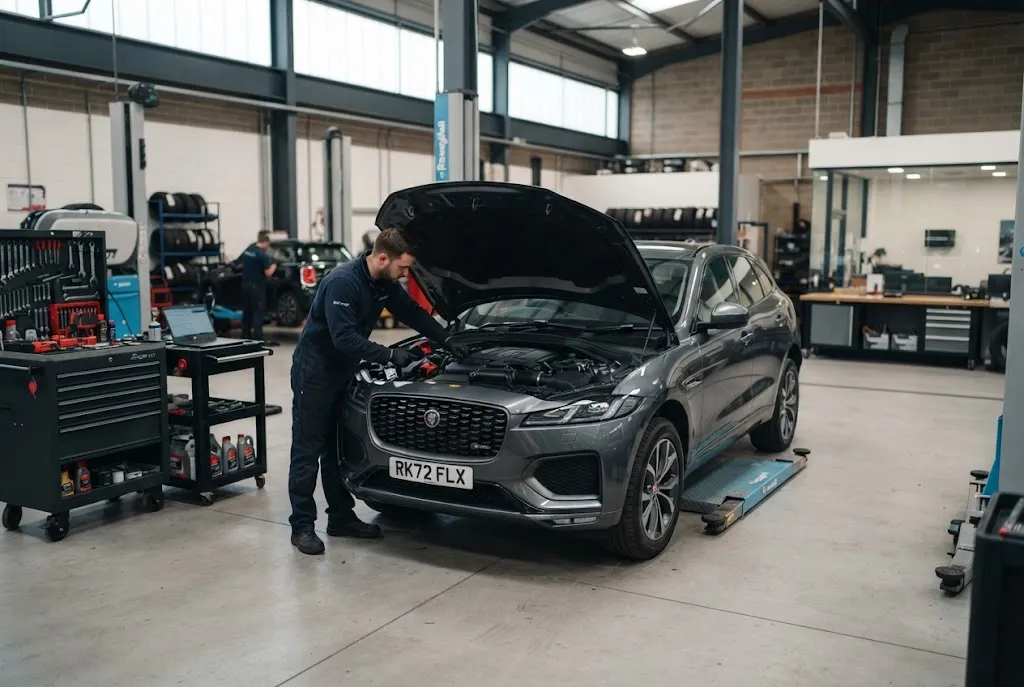
Repair finance can help UK drivers manage the cost of unexpected vehicle repairs when an important repair cannot easily be covered from their available budget. A damaged component, failed system or urgent mechanical problem can arrive at an inconvenient time, making it important to understand both the repair itself and the financial options available.
Vehicle ownership involves more than fuel and insurance. Routine servicing, tyres, MOT-related work and unexpected mechanical repairs can all contribute to ownership expenses. Planning for these costs can make vehicle ownership more manageable and help motorists avoid delaying essential maintenance simply because an unexpected bill has arrived.
What Is Repair Finance?
Repair finance generally refers to financial arrangements that allow a customer to spread the cost of an eligible vehicle repair or related automotive work over an agreed period rather than paying the entire amount immediately.
The exact arrangement can vary between providers. Some garages may work with finance companies, while other businesses may offer payment plans or alternative ways to divide the cost. Availability, eligibility, interest, fees, repayment periods and other terms depend on the provider and the specific agreement.
Before accepting any finance arrangement, motorists should understand the total amount repayable rather than focusing only on the size of the monthly payment. A lower monthly repayment may involve a longer repayment period and therefore a higher overall cost.
Why Repair Costs Can Be Difficult to Budget For
Routine vehicle expenses are often easier to anticipate than sudden mechanical faults. Drivers may know approximately when their MOT or scheduled service is due, but a failed clutch, damaged suspension component or other unexpected problem can create an unplanned expense.
This is why financial awareness is an important part of vehicle ownership. A realistic motoring budget should leave some room for maintenance and unexpected repairs rather than assuming that a car will only require predictable monthly expenses.
For example, a driver might regularly budget for fuel and insurance but overlook tyres, servicing, replacement parts and age-related repairs. Building these expenses into a wider ownership plan can reduce the financial impact when work becomes necessary.
Repair Finance and Maintenance Plans
Maintenance plans are different from finance arrangements, although both can form part of a broader vehicle ownership strategy. A maintenance plan may cover specified servicing or maintenance work according to its terms, while repair finance is concerned with spreading the cost of eligible work through an agreed financial arrangement.
The details matter. Drivers should check exactly what a maintenance plan covers, what is excluded and whether parts, labour, consumables or unexpected repairs are included.
Preventive maintenance can also reduce the likelihood of some avoidable problems. Regular inspections and servicing give motorists an opportunity to identify wear before a component becomes a more serious issue.
Tyres are a good example. Regular tyre maintenance and professional tyre services can help identify tread wear, pressure problems and visible damage before they create a more serious safety concern.
When Might Repair Finance Be Considered?
Repair finance may be considered when a necessary repair is relatively expensive and paying the full amount immediately would place significant pressure on a household budget.
However, financing a repair should not automatically be viewed as the best option. Drivers should compare the available choices and consider whether they can afford the repayments comfortably alongside existing commitments.
It may be useful to consider:
- Whether the repair is essential or can safely be postponed.
- The full cost of the proposed repair.
- The total amount repayable under any finance agreement.
- The interest rate and applicable fees.
- The length of the repayment period.
- Whether there are penalties or conditions associated with early repayment.
- Whether an alternative payment method would be less expensive.
If the vehicle is unsafe or legally unsuitable for road use, delaying necessary work simply to avoid an immediate expense can create additional problems. Safety-related repairs should be assessed on their urgency rather than postponed indefinitely.
Understanding Repair Payment Plans
Repair payment plans can take different forms, so drivers should never assume that every plan works in the same way. Some arrangements may be offered through a regulated finance provider, while others may have different terms and conditions.
Read the agreement carefully before committing. Pay particular attention to the repayment schedule, interest, fees, total amount payable and consequences of missed payments.
It is also worth asking the garage for a clear written quotation before deciding how to fund the work. Knowing the cost of parts and labour makes it easier to compare funding options and decide whether the proposed repair represents good value.
How to Budget for Servicing Costs
Managing servicing costs becomes easier when routine maintenance is treated as a normal ownership expense rather than an occasional surprise.
Start by considering the manufacturer’s recommended service schedule and the typical condition and age of the vehicle. Older vehicles may require more attention as components wear, while higher mileage can also influence maintenance requirements.
Keeping a separate vehicle maintenance allowance can provide a financial buffer for routine work. Even modest, regular contributions may make an unexpected bill easier to absorb.
Drivers should also keep receipts, service records and details of significant repairs. A clear maintenance history can help with future budgeting and provides useful information when assessing the condition of the vehicle.
Repair Finance vs Paying from Savings
When a repair is necessary, using savings can sometimes avoid interest and finance charges. However, completely exhausting an emergency fund to pay for one repair may leave a driver financially vulnerable if another unexpected expense occurs.
The better choice depends on the individual’s circumstances, the available savings, the repair cost and the terms of any proposed finance arrangement.
A sensible comparison should therefore consider the complete financial picture rather than choosing an option based solely on the immediate monthly cost. If finance allows the repair to be completed while preserving an emergency reserve, it may have practical value, but only if the repayment terms are affordable.
Planning for Vehicle Ownership Expenses
Vehicle ownership budgeting should account for both predictable and unpredictable costs. Insurance, fuel and vehicle tax may be regular expenses, while MOT tests, servicing, tyres and mechanical repairs can vary.
Creating a simple annual motoring budget can make these expenses easier to understand. Divide expected annual costs into monthly amounts and consider adding a separate contingency allowance for unexpected repairs.
Drivers replacing an older vehicle may also want to consider whether continuing to fund repairs remains financially sensible. A pattern of increasingly expensive repairs can change the overall cost of keeping a vehicle, particularly when compared with the cost of replacing it.
For anyone considering another vehicle, understanding car finance and monthly vehicle repayments can help put replacement costs into the wider ownership budget.
Questions to Ask Before Agreeing to Repair Finance
Taking a few minutes to ask questions can prevent misunderstandings. Before accepting a finance arrangement, find out who provides the finance, what the total repayment will be and how long repayments will continue.
Ask whether the quoted repair price is fixed or whether additional work could increase the amount. If additional repairs are discovered after dismantling a component, understand how the garage will communicate the extra cost before carrying out further work.
It is also important to distinguish between the cost of the repair and the cost of borrowing. A £1,000 repair does not necessarily mean that £1,000 will be the total amount repaid if interest or other charges apply.
Financial Awareness Can Reduce Repair Stress
Unexpected vehicle repairs are easier to manage when drivers have already considered how they would deal with them. Financial awareness does not mean predicting every mechanical failure. Instead, it means recognising that repairs are a normal possibility of vehicle ownership and making reasonable provision for them.
Regular maintenance, sensible budgeting and accurate records can all support better decisions. When a significant repair does occur, motorists can then compare their available options instead of making a rushed decision under financial pressure.
Final Thoughts on Repair Finance
Repair finance can be a useful option for spreading the cost of necessary vehicle work, but it should be assessed carefully. The monthly repayment is only one part of the decision; the total amount payable, agreement terms and affordability are equally important.
Good vehicle ownership planning combines preventive maintenance with realistic financial preparation. By budgeting for servicing, tyres and unexpected repairs, UK drivers can reduce the impact of sudden expenses and make more informed choices about keeping, repairing or eventually replacing their vehicles.
The goal should always be to balance vehicle safety, reliability and financial responsibility. A well-planned approach can make unexpected repair bills easier to manage without turning a necessary repair into a longer-term financial burden.
