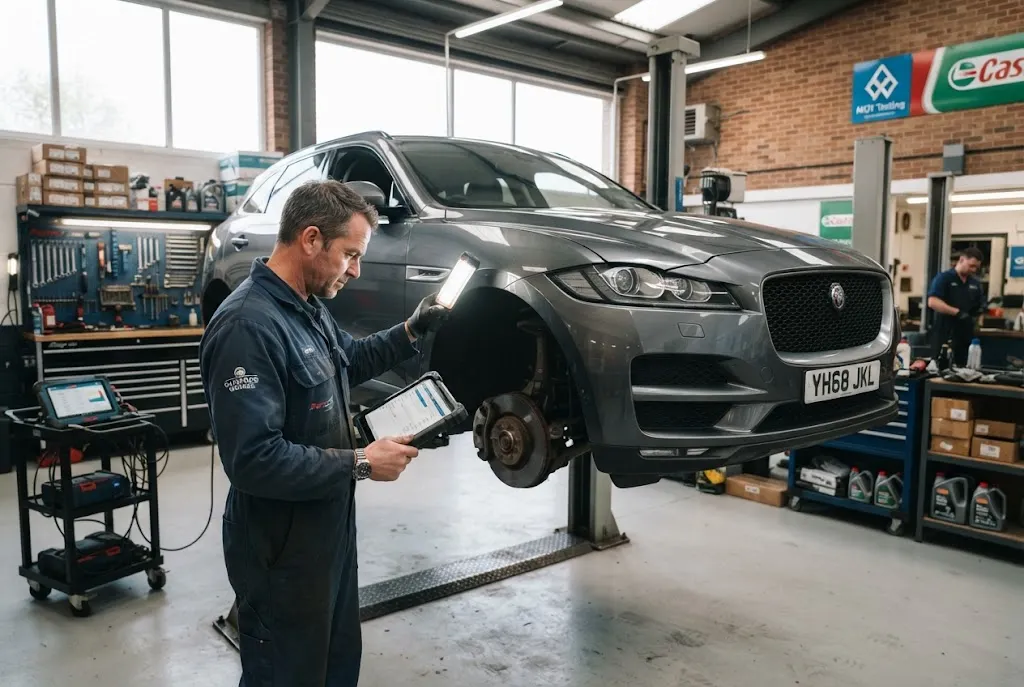
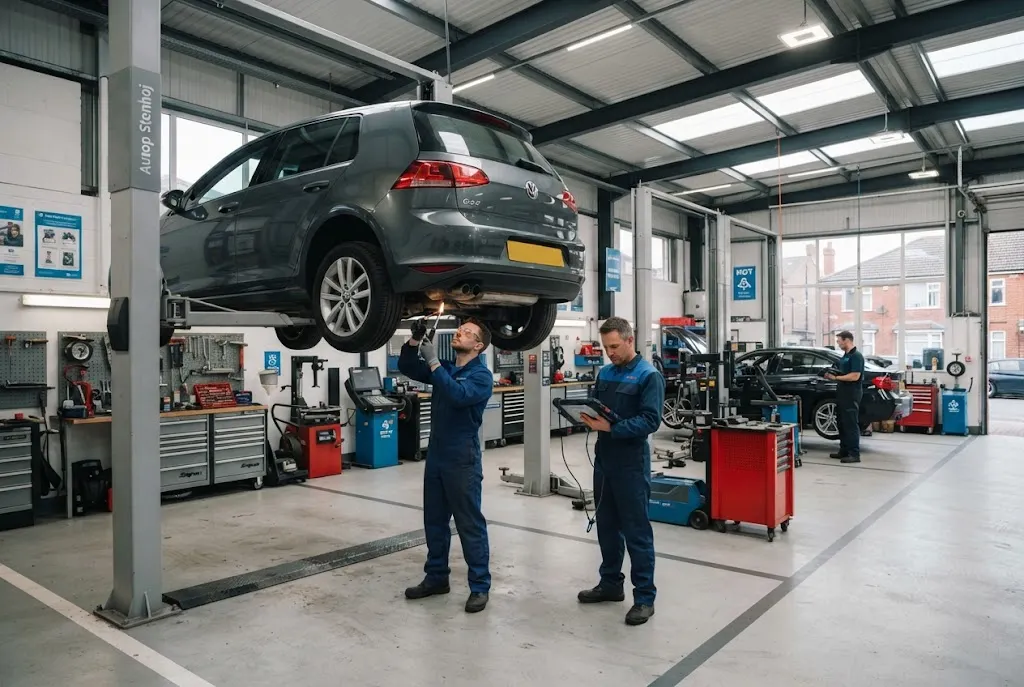
Good auto care services can help drivers keep their vehicles safe, reliable and presentable throughout the year. While servicing and repairs are important, effective vehicle care involves much more than responding when something goes wrong. Regular checks, sensible maintenance routines, cleaning and preventive care can all contribute to a better ownership experience.
For UK motorists, a practical approach to car care also means understanding what needs professional attention and what can be handled through simple checks at home. By combining both, drivers can spot potential problems earlier, protect important components and make more informed decisions about their vehicles.
What Are Auto Care Services?
Auto care services cover a broad range of activities designed to maintain a vehicle’s condition, performance, appearance and reliability. Depending on the provider, this may include routine servicing, inspections, fluid checks, battery services, tyre-related work, cleaning, diagnostics and selected repairs.
The exact service package varies between businesses. Some specialise in mechanical maintenance, while others focus on vehicle cleaning and detailing. There are also providers that combine several areas of vehicle care.
The important point is that vehicle care should be viewed as an ongoing process rather than a single appointment. A car’s condition changes as it is driven, so regular attention can help owners stay aware of what is happening under the bonnet and around the vehicle.
Why Regular Auto Care Services Matter
Cars are made up of numerous mechanical, electrical and safety-related systems that experience wear over time. Regular maintenance gives owners an opportunity to check these systems and deal with issues before they become more disruptive.
Preventive care can also make ownership more predictable. Instead of waiting for a component to fail completely, drivers can monitor wear and plan appropriate maintenance where necessary.
That does not mean every minor issue requires immediate replacement. A sensible maintenance approach considers the severity of the problem, the manufacturer’s recommendations, safety implications and the vehicle’s overall condition.
Building a Practical Vehicle Care Routine
A good maintenance routine does not have to be complicated. Consistency is more important than trying to inspect every component yourself.
Check Tyres Regularly
Tyres are among the most important parts of a vehicle because they provide the contact between the car and the road. Drivers should regularly look for visible damage, unusual wear and signs of under-inflation.
Tyre pressures should be checked according to the vehicle manufacturer’s recommendations rather than relying on appearance alone. Uneven wear can also provide clues that the vehicle may need further investigation.
Pay Attention to Warning Lights
Dashboard warning lights should not be ignored simply because the vehicle continues to drive normally. Different warning lights can indicate different levels of concern, and drivers should consult the vehicle handbook or obtain professional advice when they are unsure.
A diagnostic check may be appropriate when an electronic warning appears. However, diagnostic information should be interpreted alongside the vehicle’s symptoms and physical condition.
Monitor Fluid Levels
Appropriate fluid levels are an important part of routine vehicle care. Depending on the vehicle, drivers may need to monitor engine oil, coolant, screenwash and other fluids as recommended by the manufacturer.
Unexpectedly low levels or visible leaks deserve attention rather than simply being topped up repeatedly. A recurring loss of fluid can indicate an underlying problem.
Check Lights and Visibility
Headlights, brake lights, indicators and other exterior lighting should be checked periodically. Windscreen wipers and washers also deserve attention because good visibility is essential in changing UK weather conditions.
Preventive Care Can Reduce Unpleasant Surprises
Preventive care is about identifying maintenance needs before they turn into larger problems. It can include following service intervals, checking tyres, monitoring fluid levels, responding to unusual noises and arranging inspections when something does not feel right.
This approach does not guarantee that a vehicle will never break down. Mechanical components can fail unexpectedly, and no maintenance routine can eliminate every risk. However, paying attention to known maintenance requirements can reduce the likelihood of avoidable problems.
Drivers who want a wider understanding of professional checks can also read about auto inspection services and how inspections can provide additional information about vehicle condition.
Cleaning Is Also Part of Vehicle Care
Vehicle care is not limited to mechanical components. Regular cleaning can help preserve the interior and exterior while making it easier to notice damage or changes in condition.
Exterior washing removes dirt, road grime and other contaminants that accumulate during normal driving. Cleaning the wheels and lower parts of the vehicle can be particularly useful because these areas can collect significant amounts of road debris.
Interior cleaning also matters. Regularly removing dust, food debris and other dirt can help maintain the cabin and make everyday driving more pleasant.
Be Careful With Cleaning Products
Not every household cleaning product is appropriate for automotive surfaces. Different materials, including plastics, leather, fabric, glass and painted surfaces, may require different products and methods.
Using products designed for the relevant automotive surface can help reduce the risk of unwanted staining, residue or damage.
When Should You Use Professional Auto Care Services?
Some maintenance tasks are straightforward, but professional assistance becomes valuable when a problem requires specialist knowledge, tools or equipment.
Professional auto care services may be appropriate when a vehicle needs scheduled servicing, diagnostic investigation, brake work, suspension attention, battery-related assistance or a more detailed inspection.
Professional help is particularly important when safety-related components are involved. Drivers should not attempt repairs beyond their knowledge or equipment simply to avoid a garage visit.
A qualified technician can also provide useful context when an owner is unsure whether a developing issue needs immediate attention or can be monitored.
How Auto Care Services Fit Around MOT Testing
One common misconception is that an MOT replaces normal vehicle maintenance. It does not.
An MOT assesses specific components and requirements at the time of the test. It is an important legal requirement for applicable vehicles, but it should not be treated as a complete health assessment of the entire car.
Routine maintenance remains the owner’s responsibility between MOT tests. Drivers should continue checking their vehicles and responding to signs of wear or faults throughout the year.
The official GOV.UK MOT guidance can help motorists understand the role of MOT testing, while regular maintenance and professional inspections address the broader needs of vehicle care.
Keeping a Useful Maintenance Record
Good records can make vehicle ownership easier. Keep invoices, service information, inspection reports and details of significant repairs in one place where possible.
A complete record helps the owner understand what work has already been completed and what may be due next. It can also provide useful evidence of how the vehicle has been maintained if it is eventually sold.
Service records become particularly valuable when combined with information about inspection findings. Rather than treating each garage visit as an isolated event, owners can use previous information to identify recurring issues or plan future maintenance.
Auto Care Services and Long-Term Vehicle Value
Maintaining a vehicle properly can support its long-term condition. However, owners should avoid assuming that every maintenance expense automatically increases resale value.
The more realistic goal is to keep the vehicle in a reasonable mechanical and cosmetic condition while addressing important maintenance requirements. Good records, appropriate servicing and a well-maintained interior and exterior can all contribute to a more complete ownership history.
Cost is also part of responsible maintenance. Drivers should understand the difference between routine servicing, preventive work and unexpected repairs. For a closer look at the financial side of regular maintenance, see this guide to car service cost.
Simple Ownership Habits That Make a Difference
Better vehicle care often comes down to small habits repeated consistently.
- Check tyre condition and pressures regularly.
- Pay attention to unusual noises, vibrations and changes in handling.
- Do not ignore important dashboard warning lights.
- Follow the manufacturer’s recommended service schedule.
- Check relevant fluid levels as recommended for the vehicle.
- Keep the interior and exterior reasonably clean.
- Keep servicing, inspection and repair records.
- Arrange professional advice when a problem is outside your knowledge or equipment.
These habits do not require an owner to become a mechanic. Instead, they encourage greater awareness of how the vehicle normally feels, sounds and performs.
Making Auto Care More Convenient
Modern vehicle care is not limited to traditional garage appointments. Depending on the work required, some motorists may benefit from mobile servicing or repairs carried out at a suitable location.
This can be useful for drivers with busy schedules or vehicles that are difficult to move. However, the suitability of mobile work depends on the specific repair, available equipment and working environment.
Drivers interested in this approach can learn more about mobile auto service and how mobile mechanics can support selected maintenance and repair needs.
Creating Better Vehicle Care Habits
Good vehicle care is ultimately about awareness and consistency. A driver who understands the vehicle’s maintenance requirements is better positioned to notice changes and seek professional help when necessary.
Rather than waiting for an MOT or a major breakdown, owners can take a more proactive approach by combining routine checks, scheduled servicing, appropriate inspections and sensible cleaning.
These habits can also make vehicle ownership less stressful. When maintenance records are organised and potential problems are addressed appropriately, owners have a clearer understanding of their vehicle’s condition and upcoming needs.
Final Thoughts on Auto Care Services
Auto care services form an important part of responsible vehicle ownership, but effective car care extends beyond professional appointments. Regular checks, preventive maintenance, sensible cleaning and good record-keeping all contribute to a stronger maintenance routine.
The aim is not to spend unnecessarily or attempt every repair yourself. Instead, it is to understand your vehicle, recognise when something changes and use professional assistance when it is appropriate.
By developing practical maintenance habits and using professional auto care services when needed, UK drivers can stay better informed about their vehicles and make more confident decisions throughout the ownership journey.