Good auto care services can play an important role in keeping a vehicle clean, presentable and in good condition. However, professional care is only one part of responsible ownership. Everyday maintenance habits, sensible cleaning, preventive checks and timely professional attention can all contribute to better vehicle condition and long-term value.
For UK drivers, looking after a vehicle means considering both its mechanical health and its appearance. A car can be mechanically reliable while its exterior and interior gradually deteriorate through neglect. Equally, a beautifully cleaned vehicle still needs proper servicing and repairs. A balanced approach to vehicle care therefore combines routine maintenance with practical cleaning and preventive care.
What Are Auto Care Services?
Auto care services cover a broad range of professional and practical activities designed to maintain a vehicle’s condition, appearance and usability. Depending on the provider, these services may include vehicle cleaning, detailing, inspections, routine maintenance and selected mechanical or cosmetic work.
The exact services offered can vary considerably. Some businesses concentrate on detailing and appearance, while others combine vehicle care with servicing, repairs or other workshop services. Understanding what a particular provider actually offers is therefore important before booking.
Professional care should complement, rather than replace, the owner’s regular attention to the vehicle. Simple habits such as checking tyres, responding to warning signs and keeping the interior clean can make a meaningful difference over time.
Why Vehicle Care Matters
A vehicle is exposed to many conditions during normal use. Rain, road dirt, mud, dust, sunlight, traffic pollution and seasonal weather can gradually affect exterior surfaces. Inside the cabin, regular use can lead to stains, odours, accumulated dust and wear on frequently touched surfaces.
Mechanical components also experience natural wear. That is why vehicle care should not be limited to appearance. A sensible ownership routine considers both the visible condition of the vehicle and the systems that affect its safety and reliability.
Taking care of a vehicle can also make it easier to spot changes. When an owner regularly looks around the car, a new scratch, damaged tyre, fluid leak or unusual condition may be noticed sooner than it would be otherwise.
Building Better Vehicle Care Habits
Good vehicle care does not require complicated routines. Consistency is generally more useful than occasional intensive attention followed by long periods of neglect.
Useful habits include:
- Keeping the exterior reasonably clean.
- Removing dirt and contaminants before they accumulate heavily.
- Cleaning the interior regularly.
- Checking tyres and visible vehicle components.
- Responding to dashboard warning lights.
- Keeping service and repair records.
- Addressing unusual noises, smells or changes in handling.
- Following the manufacturer’s maintenance recommendations.
These habits help owners remain aware of the vehicle’s condition without turning everyday driving into a complicated maintenance exercise.
Cleaning Tips for Everyday Drivers
Regular cleaning is one of the simplest forms of vehicle care. Dirt left on exterior surfaces for extended periods can make the vehicle harder to clean later and can contribute to a neglected appearance.
When washing a vehicle, use products and methods that are appropriate for automotive surfaces. Avoid aggressive household cleaning products where they may damage paint, trim, plastics or interior materials.
It is also useful to clean wheels and areas where road grime tends to accumulate. However, cleaning should be carried out with suitable equipment and products rather than excessive pressure or abrasive materials that could damage surfaces.
Inside the cabin, regular vacuuming can remove dust, grit and debris before they become embedded in carpets and upholstery. Wiping appropriate surfaces and dealing with spills promptly can also help preserve the interior.
Understanding Detailing
Detailing goes beyond a basic vehicle wash. It generally involves more thorough cleaning and attention to individual surfaces, with the aim of improving the vehicle’s overall appearance and condition.
Depending on the service, detailing may involve careful exterior cleaning, wheel cleaning, interior treatment, upholstery care and other cosmetic processes. Some providers may also offer paint correction or protective treatments.
Detailing can be particularly useful when a vehicle needs more intensive cosmetic attention than routine cleaning provides. It can also be considered before an important occasion or when an owner wants to improve the presentation of an older vehicle.
However, detailing should not be confused with mechanical servicing. A detailed vehicle still needs appropriate maintenance, inspections and repairs.
Preventive Care and Vehicle Health
Preventive care is closely connected with good maintenance habits. It involves taking reasonable steps to identify potential concerns before they become larger problems.
For example, checking tyre condition can reveal abnormal wear, while paying attention to changes in braking, steering or engine behaviour can encourage earlier professional inspection. These observations do not replace technical diagnosis, but they can help owners recognise when something has changed.
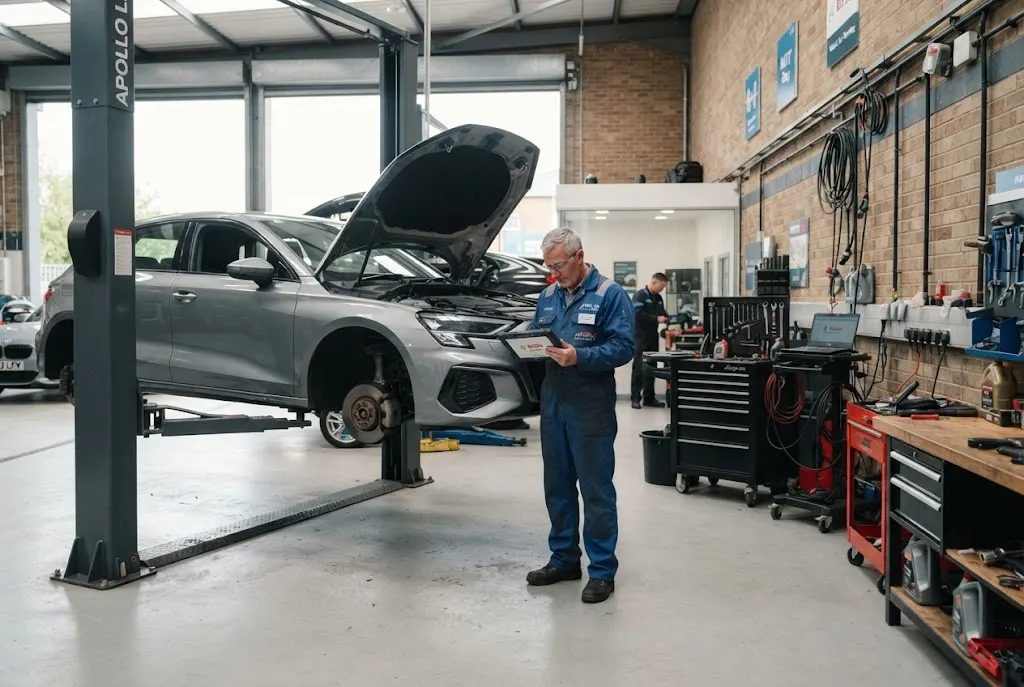
Our guide to vehicle maintenance provides a broader look at maintenance schedules, preventive care and ownership planning. Keeping these areas connected helps ensure that cosmetic care does not distract from the vehicle’s underlying mechanical condition.
Auto Care Services and Long-Term Value
Vehicle value is influenced by many factors, including age, mileage, condition, service history, market demand and overall specification. No cleaning or detailing service can guarantee a particular resale price.
Nevertheless, maintaining a vehicle’s condition can help it remain presentable and easier to assess when the time comes to sell or trade it. A clean interior, cared-for exterior and organised maintenance history can provide a better overall impression than a vehicle that has been neglected.
This is particularly relevant for owners who intend to keep their vehicle for several years. Protecting the car’s condition throughout ownership can make it more pleasant to use while helping avoid unnecessary deterioration.
When Professional Auto Care Makes Sense
There are times when professional assistance is more appropriate than attempting to handle everything yourself. A heavily soiled vehicle, delicate interior materials, paint imperfections or more advanced detailing requirements may benefit from specialist equipment and experience.
Professional providers can also save owners time. This can be useful for people who use their vehicles frequently or simply prefer to have more intensive cleaning and cosmetic work completed by someone with the appropriate equipment.
Before booking, ask what the service includes and whether the provider specialises in the particular treatment your vehicle requires. Different vehicles and materials can require different cleaning approaches.
Auto Care Services vs Mechanical Repairs
It is important to understand the difference between vehicle care and mechanical repair. Cleaning, detailing and cosmetic treatments focus primarily on the vehicle’s appearance and condition. Mechanical repairs address faults affecting systems and components.
If a vehicle develops a braking problem, engine warning, steering fault or serious electrical issue, cleaning or detailing will not resolve it. The appropriate response is professional diagnosis and, where necessary, repair.
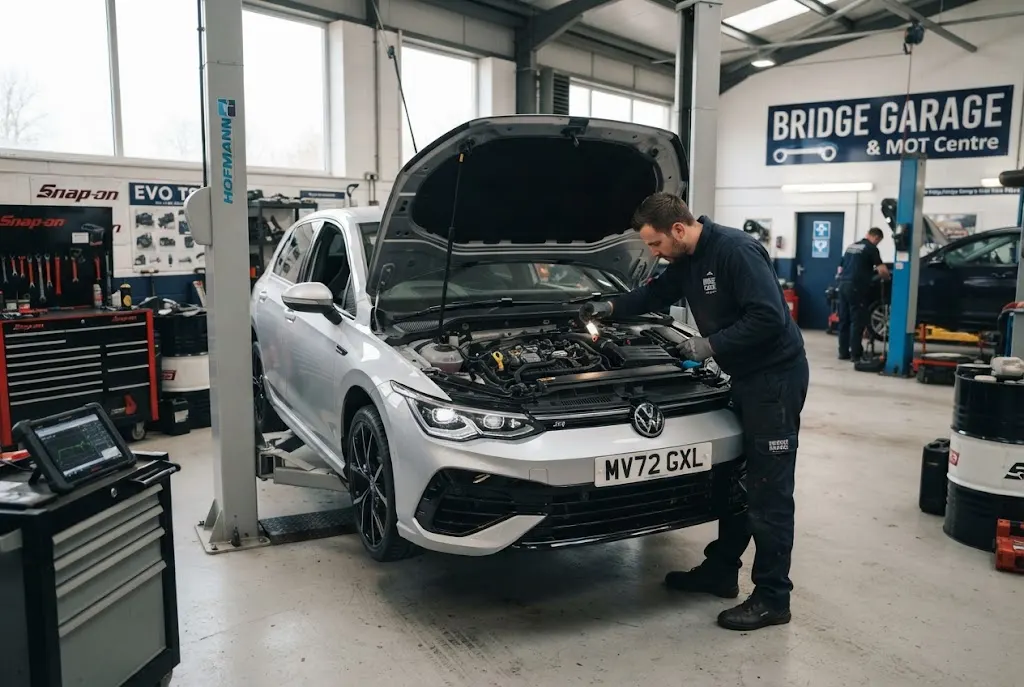
Our guide to auto repair services explains how drivers can approach common repairs, diagnosis and repair planning. Understanding this distinction helps owners choose the right type of professional assistance.
Choosing a Professional Vehicle Care Provider
Not every vehicle care provider offers the same services or level of attention. Before choosing one, consider the specific work you need and whether the business has suitable experience and equipment.
Useful questions include:
- What exactly is included in the service?
- Which products and techniques are used?
- Does the provider have experience with your vehicle’s materials and finish?
- How long is the service expected to take?
- Are additional treatments optional or included?
- How is the final price calculated?
Clear answers can help avoid misunderstandings and make it easier to compare providers on a like-for-like basis.
Drivers may also want to consider whether they need a dedicated detailing provider or a broader auto service garage capable of combining maintenance and repair support with other vehicle services.
Simple Ways to Protect the Interior
The interior receives constant contact from passengers, clothing, food, drink and everyday use. A few simple habits can help slow visible deterioration.
Remove rubbish regularly rather than allowing it to accumulate. Deal with spills as soon as reasonably possible and use cleaning products appropriate for the relevant material. Floor mats can also help reduce the amount of dirt reaching the underlying carpet.
Leather, fabric, plastics and other surfaces have different care requirements, so avoid assuming that one product is suitable for everything inside the vehicle.
Protecting the Exterior
Exterior care is not simply about making a vehicle look clean. Regular attention can help owners notice scratches, dents, damaged trim, tyre problems and other visible issues.
Where possible, avoid allowing heavy road grime to remain on the vehicle for unnecessarily long periods. Washing with appropriate automotive products and suitable techniques can help maintain the finish.
For owners who want more intensive cosmetic care, professional detailing may offer additional options. The appropriate treatment will depend on the vehicle’s existing condition and the owner’s objectives.
Combining Auto Care With Preventive Maintenance
The strongest ownership approach combines cosmetic care with mechanical awareness. A clean vehicle is more enjoyable to use, but reliable transportation requires attention to servicing, repairs and component condition as well.
Owners can use a maintenance schedule to keep track of routine work while maintaining simple cleaning habits between professional visits. If a mechanical problem develops, it should be assessed separately rather than assuming that routine care will resolve it.
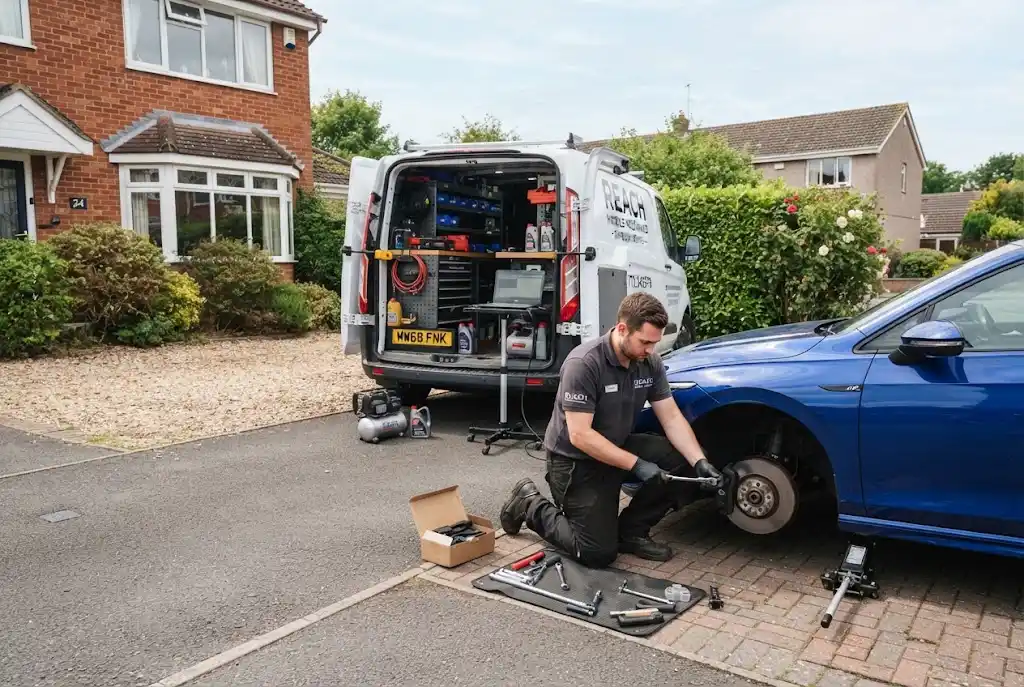
For certain maintenance and repair situations, mobile auto service can provide a convenient alternative to visiting a conventional workshop. Whether that option is suitable depends on the type of work required.
Practical Ownership Advice
Vehicle care works best when it becomes part of normal ownership rather than an occasional reaction to visible deterioration. A short regular cleaning routine, sensible maintenance checks and prompt attention to problems can be easier to manage than attempting to restore a heavily neglected vehicle later.
It is also worth keeping expectations realistic. Professional detailing cannot eliminate normal ageing, and maintenance cannot prevent every mechanical failure. The goal is to manage the vehicle responsibly and address problems appropriately as they arise.
Drivers who build these habits into their ownership routine can make better maintenance decisions and maintain a clearer understanding of their vehicle’s overall condition.
Final Thoughts on Auto Care Services
Auto care services can provide valuable support for drivers who want to maintain their vehicle’s appearance and condition. However, professional cleaning and detailing are most effective when they form part of a wider ownership strategy that includes preventive maintenance, appropriate servicing and timely repairs.
Regular cleaning, sensible vehicle care habits and professional detailing where appropriate can help keep a car presentable and enjoyable to use. At the same time, owners should continue to follow suitable maintenance schedules and respond promptly to mechanical warning signs.
By combining everyday care with professional support when needed, UK drivers can take a more practical approach to vehicle ownership. The result is not simply a cleaner car, but a better-informed and more consistent approach to protecting its condition and long-term value.