Understanding auto repair services can make vehicle ownership much easier. Whether your car develops a warning light, unusual noise, braking problem or starting issue, knowing how repairs are assessed helps you make better decisions. Good repair planning is not simply about fixing a fault as quickly as possible; it is about understanding the problem, comparing appropriate options and keeping the vehicle safe and reliable.
For UK drivers, this knowledge is particularly useful because routine servicing, MOT requirements and unexpected mechanical problems all form part of responsible vehicle ownership. While an MOT checks specific areas of roadworthiness, it should not be treated as a complete assessment of a vehicle’s overall mechanical condition. The DVSA explains that an MOT record relates to the condition of testable items at the time of the test, rather than proving the vehicle is mechanically sound in every respect.
What Are Auto Repair Services?
Auto repair services cover the diagnosis, maintenance and repair work needed to keep a vehicle operating safely and reliably. The work can range from relatively straightforward jobs, such as replacing worn brake pads, to more involved repairs involving the engine, transmission, suspension, electrical systems or vehicle electronics.
The exact workshop services required depend on the vehicle, its age, mileage, condition and symptoms. A professional repair process normally starts with identifying the fault before deciding which component or system needs attention.
This distinction matters because the symptom a driver notices is not always the underlying cause. For example, a warning light may be triggered by several different problems. Replacing a component without properly diagnosing the fault can therefore lead to unnecessary spending without resolving the original issue.
Common Repairs Drivers May Encounter
Some repairs are more frequently encountered during normal vehicle ownership than others. Wear-and-tear components naturally require attention as mileage increases, while other problems can arise because of age, driving conditions or a particular mechanical failure.
Brakes and braking components
Brake pads, discs and related components can wear over time. Drivers may notice squealing, grinding, vibration or changes in braking performance. These symptoms should not be ignored because braking is directly connected to road safety.
Battery and starting problems
A weak or failed battery can cause starting difficulties, especially when the vehicle has been driven infrequently or the battery is approaching the end of its service life. A proper diagnosis can also determine whether the problem is actually related to the battery or another part of the starting or charging system.
Tyres, suspension and steering
Tyres, suspension components and steering systems can experience gradual wear. Uneven tyre wear, pulling to one side, unusual knocking sounds or changes in handling may justify professional inspection.
Engine and electrical faults
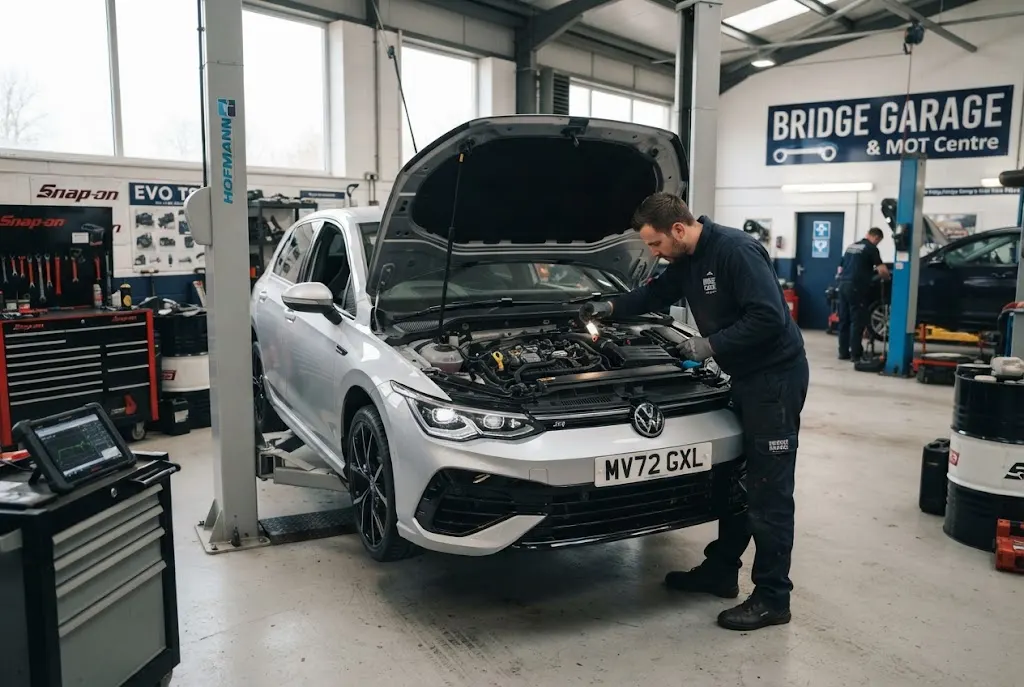
Modern vehicles rely heavily on electronic systems. Engine management warnings, sensor faults and electrical problems can sometimes require diagnostic equipment as well as conventional mechanical inspection. This is one reason choosing a workshop with suitable equipment and relevant technical knowledge matters.
How Repair Planning Can Save Time and Money
Good repair planning starts with understanding what actually needs to be fixed. Instead of treating every issue as an emergency, drivers can ask the workshop to explain the fault, its likely consequences and the urgency of the repair.
A useful repair conversation should cover several points:
- What problem has been identified?
- What caused or contributed to the problem?
- Which parts or systems need attention?
- How urgent is the repair?
- What work is essential for safety or reliability?
- Are there other related components that should be inspected?
- What is the estimated repair cost?
This approach helps separate essential repairs from work that may be advisable but less urgent. It also gives the vehicle owner a clearer basis for making maintenance decisions.
Understanding Repair Costs
Repair costs can vary significantly between vehicles and jobs. Parts, labour, diagnostic time, vehicle design, repair complexity and the type of replacement component can all affect the final price.
For that reason, a single average price is rarely useful without knowing the vehicle and the precise repair required. A simple component replacement may be relatively straightforward, while diagnosing an intermittent electrical fault can require considerably more workshop time.
Before authorising significant work, ask for a clear explanation of the proposed repair and whether the quoted figure is an estimate or a confirmed price. If additional faults are discovered after work begins, the workshop should explain the new findings before carrying out additional non-essential work.
Choosing the Right Workshop Services
The quality of the repair experience depends not only on the parts used but also on the workshop carrying out the work. Drivers should consider the workshop’s experience with their vehicle type, diagnostic capabilities, communication standards and approach to customer service.
Independent garages can be suitable for many repair and maintenance requirements, while authorised workshops may be preferred by owners who want manufacturer-specific expertise or access to particular manufacturer systems and procedures. The best choice depends on the vehicle, the repair and the owner’s priorities.
When comparing garages, look beyond price alone. Clear communication, proper diagnosis, transparent estimates and professional repair practices can be just as important as the initial quote.
For MOT-related issues, drivers can also use the official DVSA MOT testing guide to understand how the statutory testing system works. The DVSA states that authorised testing stations and testers operate under defined standards and procedures.
Auto Repair Services and Vehicle Reliability
Reliable vehicles are rarely the result of one major repair. Reliability usually develops through consistent maintenance, timely diagnosis and sensible ownership decisions. Ignoring small warning signs can sometimes allow a developing problem to become more complicated.
For example, an unusual vibration may initially seem minor, but investigating it early can help identify a tyre, wheel, suspension or steering issue before it develops further. Similarly, repeated warning lights should not simply be reset without identifying why they appeared.
That is why repair knowledge is valuable even for drivers who never carry out mechanical work themselves. Understanding when to seek professional help can prevent avoidable delays and support better long-term vehicle care.
When Should You Arrange a Repair?
Some problems clearly require immediate attention. A serious braking issue, major fluid leak, severe steering problem or warning that indicates a potentially dangerous fault should not be ignored.
Other problems may allow more flexibility, but that does not mean they should be left indefinitely. Persistent dashboard warnings, unusual noises, poor starting, changes in fuel consumption or deteriorating handling can all justify professional inspection.
The important point is to respond to symptoms based on their potential seriousness rather than waiting until the vehicle becomes undriveable. This can make repair planning more predictable and may reduce the disruption associated with unexpected breakdowns.
Repair Knowledge Supports Better Maintenance Decisions
Understanding repairs also makes routine maintenance easier to manage. Drivers who know how servicing, inspections and repairs fit together are better positioned to follow appropriate maintenance schedules and recognise when their vehicle’s condition has changed.
For example, a vehicle that receives regular servicing may still require an unexpected repair, while an older car may need more frequent attention to certain components. Maintenance decisions should therefore consider the vehicle’s age, mileage, usage and previous repair history rather than relying on a single rule for every car.
Our wider guidance on vehicle maintenance can help put routine servicing and preventive maintenance into a broader ownership plan. Likewise, understanding how an auto service garage operates can make it easier to assess different workshop options when professional help is required.
Making Better Auto Repair Decisions
Good vehicle ownership does not mean repairing everything immediately without question, nor does it mean postponing every expense. The better approach is to understand the fault, assess its urgency, consider the vehicle’s condition and then choose a sensible course of action.
Keep records of repairs and servicing where possible. This gives you a useful history when a recurring problem appears and can help a future technician understand what has already been replaced or inspected.
It is also worth learning basic warning signs and maintaining sensible vehicle care habits. Drivers interested in broader practical guidance can explore auto care services and related advice on protecting a vehicle’s condition and long-term value.
What to Expect From Professional Repairs
A professional repair should begin with an appropriate assessment of the vehicle and a clear explanation of the work recommended. Depending on the issue, this may involve a visual inspection, diagnostic testing, mechanical checks or a combination of methods.
Once the fault is understood, the workshop should be able to explain the proposed repair in terms that the vehicle owner can understand. Good communication is particularly important when several repair options exist or when a vehicle has reached an age where its overall condition needs to be considered.
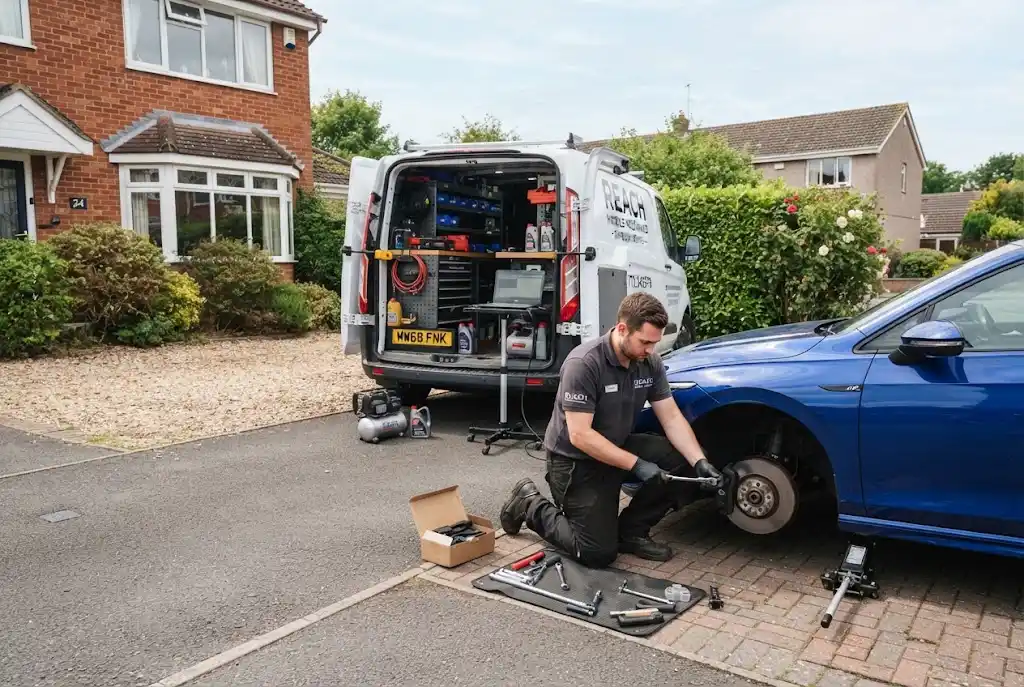
In some situations, drivers may also have alternatives to taking the vehicle directly to a traditional workshop. For suitable jobs, mobile auto service can provide another service option, particularly where convenience or access to a garage is a concern.
Final Thoughts on Auto Repair Services
Understanding auto repair services gives UK drivers greater confidence when dealing with mechanical problems, workshop appointments and unexpected repair costs. The goal is not to become a mechanic. Instead, it is to understand enough about diagnosis, repair planning, maintenance and workshop standards to make informed ownership decisions.
When a problem appears, start with a proper diagnosis, ask sensible questions and consider the vehicle’s wider condition before approving significant work. Combined with routine maintenance and responsible driving habits, this approach can support better vehicle reliability and make ownership more predictable over the long term.