Building automotive knowledge can make everyday vehicle ownership easier, from understanding routine maintenance to recognising when professional repair advice may be needed. UK motorists do not need to become qualified mechanics to look after their cars effectively. However, knowing the basics can help drivers understand servicing advice, monitor vehicle condition and make better-informed decisions about maintenance.
Practical automotive knowledge also helps connect different aspects of vehicle ownership. MOT testing, servicing, inspections, repairs, tyres, safety checks and newer technologies such as hybrid and electric powertrains all form part of a wider picture. Understanding how these areas relate can make vehicle care more organised and less confusing.
Why Automotive Knowledge Matters for Vehicle Owners
A vehicle is a complex combination of mechanical, electrical and safety systems. Some maintenance tasks are straightforward, while others require specialist equipment or professional expertise. Knowing the difference can help owners decide what they can reasonably monitor themselves and when a qualified technician should be involved.
Good automotive knowledge also encourages preventative thinking. Rather than waiting for a serious fault, owners can follow the manufacturer’s maintenance schedule, pay attention to warning signs and address developing concerns appropriately.
The UK’s official guidance emphasises that drivers are responsible for ensuring their vehicles remain safe to drive. Government guidance also recommends checking areas such as lights, brakes, tyres and fluid levels, while referring to the vehicle handbook for service intervals and other maintenance information. GOV.UK’s vehicle safety guidance provides a useful starting point for understanding these responsibilities.
Understanding Basic Vehicle Maintenance
Routine maintenance is one of the most useful areas of automotive knowledge for any driver. While exact requirements differ between vehicles, owners should become familiar with the basic checks and maintenance tasks recommended for their particular car.
Common areas include:
- Tyre condition and pressure
- Engine oil and other relevant fluids
- Exterior and interior lights
- Windscreen, wipers and washers
- Brake performance
- Battery condition where applicable
- Warning lights and dashboard messages
- Scheduled servicing requirements
These checks do not replace professional maintenance. Instead, they help drivers notice changes between scheduled appointments and respond to potential problems before they become more serious.
Automotive Knowledge and Servicing Advice
Servicing is planned maintenance designed to help keep a vehicle in appropriate condition. The exact work depends on the manufacturer, model, mileage, age and service schedule.
A service can involve items such as engine oil, filters, fluid checks and inspections of components including brakes, tyres, steering and suspension. Some maintenance items may need replacement at specified intervals, while others depend on condition.
Understanding what a service actually includes can make it easier to discuss work with a garage. It can also help drivers compare quotations without assuming that two differently priced service packages provide exactly the same work.
Our guide to car service cost explores servicing prices, labour charges, repair costs and wider ownership budgeting considerations.
MOT Testing Is Different From Servicing
One of the most important pieces of automotive knowledge for UK motorists is understanding the difference between an MOT and routine servicing.
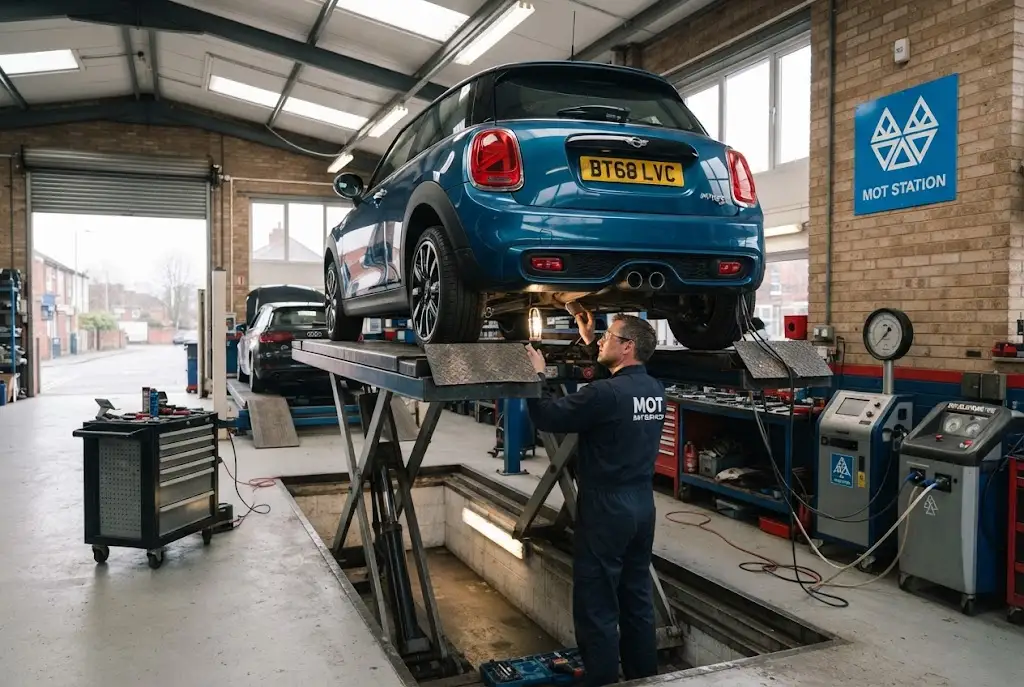
An MOT checks whether a vehicle meets the applicable road safety and environmental standards at the time of the test. GOV.UK states that most vehicles need their first MOT by the third anniversary of registration and then annually once they are subject to the requirement.
Servicing has a different purpose. It supports ongoing vehicle maintenance and follows the manufacturer’s recommended schedule. A vehicle can therefore pass an MOT while still needing routine servicing or other maintenance.
Our MOT and service guide explains how these two aspects of vehicle ownership work together and why one should not be treated as a replacement for the other.
Learning to Read Vehicle Warning Signs
Drivers do not need specialist diagnostic equipment to notice every potential vehicle problem. Changes in how a car sounds, feels or behaves can provide useful information that should not be ignored.
Potential warning signs can include:
- Unusual engine or exhaust noises
- Changes in braking performance
- Steering that feels different from normal
- New vibrations or unusual handling
- Persistent dashboard warning lights
- Unexpected fluid leaks
- Difficulty starting the vehicle
- Changes in charging or electrical performance
A warning sign does not automatically identify the exact fault. For example, a dashboard warning can have several possible causes. Professional diagnosis is often needed before deciding which component requires attention.
Repair Education: Understanding What a Garage Tells You
Repair education can make conversations with automotive professionals much easier. When a garage identifies a problem, ask for a clear explanation of the affected component, the reason it needs attention and the work being recommended.
Useful questions include:
- What has failed or become worn?
- Is the issue safety-critical?
- Does the vehicle need to be repaired immediately?
- What parts are being replaced?
- How much labour is included?
- Are there other related issues that should be checked?
- What could happen if the repair is delayed?
This does not mean questioning every professional recommendation. Instead, it gives the owner enough information to understand the work and plan appropriately.
Understanding Auto Inspection Services
Sometimes a routine service or MOT does not answer every question an owner has about a vehicle. A dedicated inspection can provide another way of assessing vehicle condition.
Auto inspection services may be useful when assessing a used vehicle, investigating an unexplained problem or reviewing the general condition of a car. The exact scope varies, so owners should establish what the inspection includes before booking.
A professional inspection may examine areas such as brakes, tyres, suspension, steering, bodywork and mechanical components. Some inspection packages may also include diagnostic assessment or a written report.
Automotive Knowledge for Used-Car Buyers
Buying a used vehicle involves more than comparing appearance and asking prices. Buyers should consider the vehicle’s condition, history, MOT record, service documentation and potential maintenance requirements.
Government guidance recommends checking a vehicle’s MOT history, confirming its details and checking whether it has been recalled for a safety issue before buying.
A pre-purchase inspection can provide additional information about the vehicle’s physical condition. However, buyers should consider inspection findings alongside the available documentation, mileage, price and other relevant information rather than relying on one source alone.
Tyres, Brakes and Everyday Safety
Some of the most important vehicle checks are also among the simplest. Tyres and brakes have a direct relationship with safe vehicle operation, so drivers should understand the basic signs that indicate when professional attention may be required.
For cars, light vans and light trailers, GOV.UK states that the legal minimum tyre tread depth is 1.6mm, with tread required across the middle three-quarters and around the entire tyre. The same guidance advises drivers to check tyres for cuts and defects.
Drivers should also pay attention to changes in braking behaviour. If braking feels significantly different, unusual noises occur or warning lights appear, professional assessment may be appropriate.
The Highway Code’s vehicle maintenance guidance also highlights the importance of keeping lights, brakes, steering, exhaust systems, seat belts, demisters, wipers, washers and audible warning systems in working order.
Understanding Diagnostic Reports
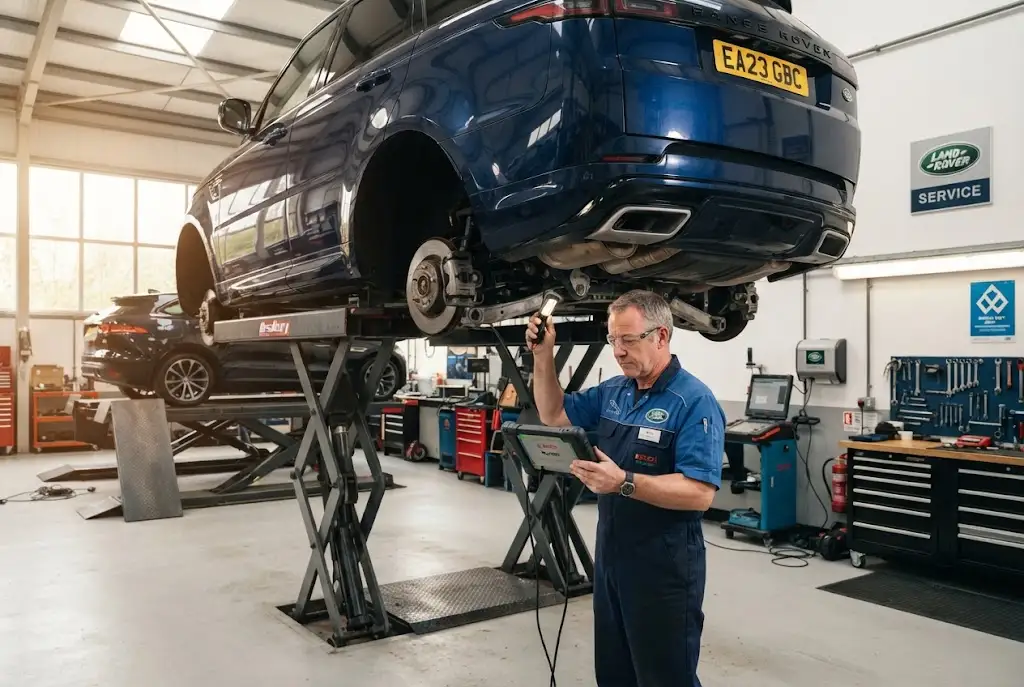
Modern vehicles use electronic control systems that can store diagnostic information when certain faults occur. A diagnostic scan can therefore be a useful part of automotive troubleshooting.
However, a diagnostic code should not automatically be interpreted as a definitive diagnosis. It may point towards a system or condition that requires further testing. A trained technician can combine diagnostic information with physical inspection, vehicle symptoms and manufacturer-specific procedures.
This is particularly relevant as vehicles become more dependent on electronics, sensors and software. Good automotive knowledge means understanding what diagnostic information can tell you while recognising its limitations.
Hybrid and Electric Vehicle Knowledge
Automotive knowledge is also changing as hybrid and electric vehicles become a more important part of the UK vehicle market. These vehicles introduce systems that differ from conventional petrol and diesel cars.
Fully electric vehicles do not require traditional engine oil servicing in the same way as combustion-engine vehicles, but they still require appropriate maintenance. Tyres, brakes, steering, suspension, cooling systems and electrical components remain relevant areas of vehicle care.
Hybrid vehicles combine conventional and electric systems, so their maintenance requirements can be more varied.
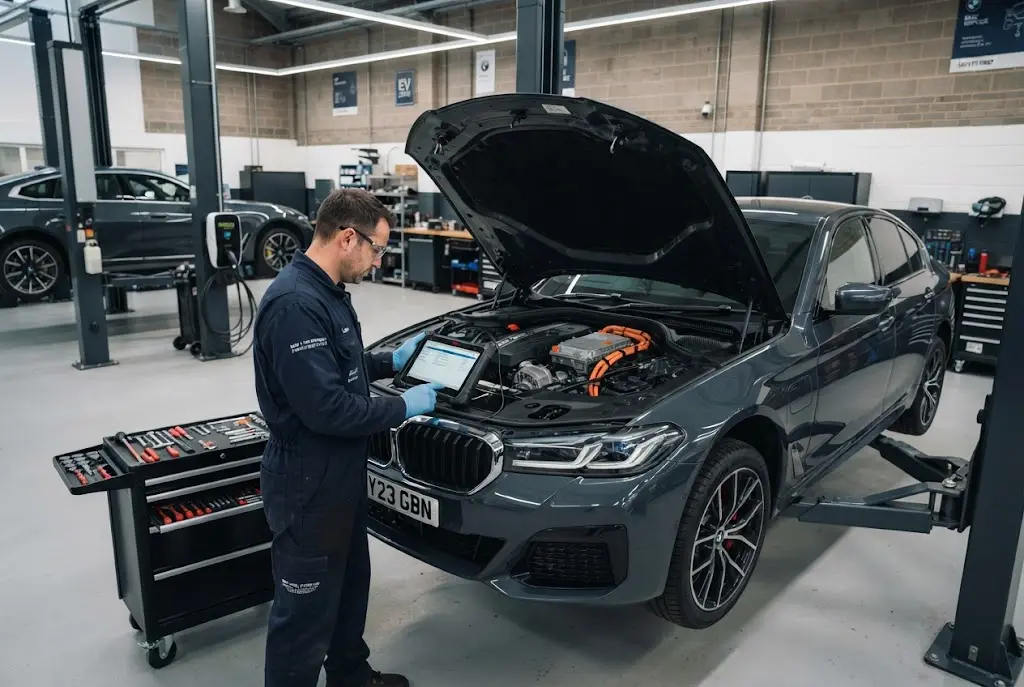
Our guide to hybrid services covers EV servicing, hybrid maintenance, battery-related considerations, specialist mechanics and charging infrastructure.
Using the Vehicle Handbook as a Resource
One of the most valuable sources of vehicle-specific information is the manufacturer’s handbook. Generic automotive advice can explain broad principles, but the handbook provides information relevant to the particular vehicle.
It can contain recommended service intervals, fluid specifications, tyre information, warning-light explanations, maintenance instructions and other operating guidance.
When general advice conflicts with vehicle-specific instructions, owners should pay close attention to the manufacturer’s requirements and seek professional clarification where necessary.
Maintenance Planning and Ownership Budgeting
Automotive knowledge also has a financial dimension. Understanding the difference between scheduled maintenance and unexpected repairs can make ownership costs easier to plan.
A sensible maintenance budget can account for routine servicing, tyres, brakes, MOT-related work, consumables and potential repairs. Older vehicles may require greater attention as components reach the end of their expected service life.
Keeping records of maintenance and repairs can also help owners understand what has already been done and what may be due next. This information can become particularly useful when preparing to sell or purchase a vehicle.
Knowing When to Use a Professional
Basic automotive knowledge should improve decision-making, not encourage unsafe DIY repairs. Some tasks require specialist tools, training or equipment, particularly where braking systems, high-voltage components, structural damage or complex electronic systems are involved.
If a problem affects vehicle safety or cannot be confidently diagnosed, professional assessment is the appropriate next step. A knowledgeable owner can then provide useful information about symptoms and vehicle history without attempting work that requires specialist expertise.
Building a Personal Automotive Knowledge Centre
Drivers can gradually build their own collection of reliable vehicle ownership resources. Keeping the vehicle handbook, service records, MOT history and repair invoices together creates a useful reference for future maintenance.
It is also helpful to learn the terminology used in common servicing and repair discussions. Understanding terms such as service interval, diagnostic scan, brake wear, tyre tread, advisory and roadworthiness can make automotive conversations much clearer.
Reliable public guidance should form another part of that knowledge base. The DVSA’s published MOT inspection manual explains the procedures and standards used for MOT testing in Great Britain, while its inspection checklist identifies areas such as interior, exterior, under-bonnet, underside, emissions and brake checks.
Practical Motoring Habits That Make a Difference
Good vehicle ownership often comes down to consistent habits rather than complicated technical knowledge. Check the vehicle regularly, follow the recommended service schedule, monitor warning signs and keep records of important work.
Before longer journeys, it is sensible to pay particular attention to tyres, lights, fluid levels and general vehicle condition. GOV.UK guidance specifically recommends routine checks and notes that the vehicle handbook should be used for information about service intervals and maintenance requirements.
These simple habits can help drivers spot changes early and give professionals better information when a problem needs investigation.
Final Thoughts on Automotive Knowledge
Automotive knowledge is not about knowing how to repair every component yourself. It is about understanding enough to maintain a vehicle responsibly, recognise potential problems and communicate effectively with automotive professionals.
For UK motorists, that knowledge should include the relationship between MOT testing and servicing, basic safety checks, maintenance schedules, inspection reports, repair terminology and the changing requirements of hybrid and electric vehicles.
The more familiar drivers become with these areas, the easier it is to plan maintenance, understand professional advice and make informed ownership decisions. By combining manufacturer guidance, official UK information and practical motoring resources, vehicle owners can build a stronger foundation for safe and responsible vehicle care.