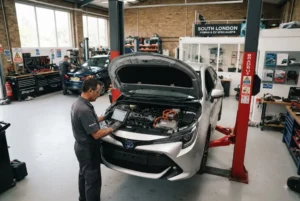
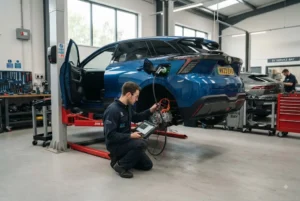
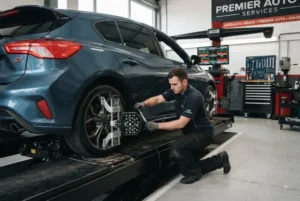
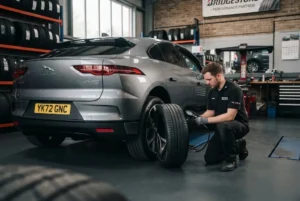
Hybrid services are becoming increasingly relevant as more UK motorists consider vehicles that combine electric power with an internal combustion engine or move towards fully electric driving. Although hybrid and electric vehicles can have different maintenance requirements from conventional petrol and diesel cars, they still need appropriate inspections, servicing and attention throughout their ownership.
Understanding EV servicing, battery care and hybrid maintenance can help drivers plan ownership costs and choose appropriate automotive professionals. It also helps explain why some traditional maintenance tasks remain relevant while other aspects of vehicle care are changing as automotive technology develops.
What Are Hybrid Services?
Hybrid services cover maintenance, inspection and repair work associated with hybrid vehicles and, depending on the provider, related electric vehicle systems. A hybrid vehicle generally combines an internal combustion engine with an electric motor and battery system, while a fully electric vehicle relies on electric propulsion.
The exact maintenance requirements depend on the vehicle’s design. Different manufacturers use different hybrid systems, battery technologies and control systems, so owners should follow the maintenance schedule specified for their particular vehicle.
Professional servicing can include conventional vehicle checks alongside inspections of systems specific to electrified vehicles. The work should be carried out by technicians with appropriate training, equipment and procedures for the vehicle involved.
How EV Servicing Differs From Conventional Servicing
Electric vehicles do not require some of the routine engine maintenance associated with petrol or diesel cars. For example, a fully electric vehicle does not use engine oil in the same way as a conventional combustion engine.
However, this does not mean an EV is maintenance-free. Electric vehicles still have components that require inspection and care, including tyres, brakes, steering, suspension, cooling systems and electrical equipment.
Regenerative braking can also affect brake usage because the electric motor can help slow the vehicle. Nevertheless, braking components still require appropriate inspection and maintenance.
Hybrid vehicles can have a combination of conventional and electrified systems. As a result, their maintenance requirements can include both familiar mechanical servicing and specialised hybrid-system checks.
Hybrid Maintenance and Routine Vehicle Care
Hybrid maintenance should follow the manufacturer’s recommended schedule. The exact requirements depend on the vehicle’s design, mileage, age and operating conditions.
Depending on the model, scheduled maintenance may involve checks of:
- Engine and associated components
- Fluids and filters
- Braking systems
- Tyres and wheels
- Steering and suspension
- Cooling systems
- 12-volt electrical systems
- Hybrid or electric drive components
- Battery-related systems
Not every vehicle requires the same checks at the same intervals. Owners should therefore use the manufacturer’s service information rather than applying a generic maintenance schedule.
Battery Servicing and Condition
The high-voltage battery is one of the most important components in an electrified vehicle. Its condition can affect vehicle performance, range and overall ownership experience.
Battery servicing does not necessarily mean routinely opening or repairing the battery pack. In many cases, appropriate maintenance involves monitoring system performance, checking relevant electrical and thermal-management systems and identifying diagnostic faults when they occur.
High-voltage systems require specialist procedures. Owners should not attempt to inspect or repair high-voltage components themselves unless they have the necessary professional training and equipment.
Battery condition can also be influenced by factors such as vehicle usage, age, temperature and charging behaviour. The specific battery-management recommendations provided by the manufacturer should therefore be followed.
Choosing EV Mechanics and Hybrid Specialists
Working on electrified vehicles can require knowledge that goes beyond conventional mechanical servicing. High-voltage systems, battery technology and vehicle-specific diagnostic systems require appropriate training and safety procedures.
When selecting a garage, ask whether its technicians are trained to work on your particular hybrid or electric vehicle. It is also sensible to establish what equipment the garage uses and whether the proposed service includes the checks appropriate to your vehicle.
A specialist is particularly important when a fault involves the high-voltage battery, electric motor, inverter or other high-voltage components.
Hybrid Services and Vehicle Safety
Safety remains central to hybrid and electric vehicle maintenance. These vehicles can contain high-voltage electrical systems, which means appropriate isolation, diagnostic and repair procedures are essential.
Drivers should pay attention to warning messages, unusual noises, changes in vehicle performance and other symptoms. If a dashboard warning indicates a problem with the hybrid or high-voltage system, the vehicle should be assessed according to the manufacturer’s guidance.
Routine safety checks also remain important. Tyres, lights, brakes, steering and suspension continue to play a major role in safe road use regardless of the vehicle’s powertrain.
Charging Infrastructure and Vehicle Ownership
For fully electric vehicles and plug-in hybrids, charging infrastructure becomes part of everyday ownership. Drivers need to consider where the vehicle will normally be charged, the type of charging equipment available and whether the vehicle’s charging requirements match the infrastructure being used.
Home charging can form an important part of EV ownership for drivers who have suitable facilities. Public charging networks provide another option, particularly for longer journeys or drivers without convenient home charging.
Charging equipment itself also requires appropriate installation and maintenance. Electrical work should be undertaken by suitably qualified professionals, particularly where dedicated charging equipment is being installed.
Hybrid Services and MOT Requirements
Hybrid and electric vehicles can still be subject to MOT requirements where applicable. The specific test requirements depend on the vehicle and the regulations that apply to it.
An MOT should not be confused with routine hybrid servicing. The MOT assesses prescribed requirements at the time of the test, while servicing is concerned with maintaining the vehicle according to its maintenance schedule.
Our guide to MOT and service explains why annual testing and routine servicing perform different roles in responsible vehicle ownership.
Inspection Before Buying a Hybrid or EV
Buying a used hybrid or electric vehicle can require additional consideration because the vehicle contains systems that may be unfamiliar to buyers accustomed to conventional cars.
A professional inspection can provide information about the general condition of the vehicle and identify areas requiring further investigation. Depending on the inspection service, diagnostic equipment may also be used to assess electronic systems.
Buyers should consider the vehicle’s service history, MOT history, mileage, charging or usage history where available and any manufacturer documentation alongside the inspection findings.
Our guide to auto inspection services explains how professional vehicle inspections can support more informed ownership and purchasing decisions.
Understanding Hybrid Ownership Costs
Maintenance costs for hybrids and EVs can differ from those of conventional vehicles. Some routine engine-related expenses may be reduced or absent in fully electric vehicles, while specialised components and diagnostic work can introduce different costs.
The most useful approach is to consider the specific vehicle rather than assuming every hybrid or EV will have the same ownership profile. Manufacturer servicing schedules, battery technology, vehicle age, mileage and local garage expertise can all affect costs.
Drivers can also benefit from understanding wider car service cost considerations when budgeting for vehicle maintenance. Comparing servicing requirements rather than focusing solely on one repair or service bill can provide a more realistic picture of ownership expenses.
Common Signs That an Electrified Vehicle Needs Attention
Drivers should become familiar with their vehicle’s normal behaviour and pay attention to significant changes. Warning messages, unexpected changes in electric range, unusual noises, reduced performance or charging problems can indicate that professional assessment is appropriate.
Not every change indicates a major fault. However, unexplained symptoms should not simply be ignored, particularly where they involve the vehicle’s high-voltage system, braking performance or ability to charge.
When arranging an inspection, describe the symptoms accurately. Details about when the issue occurs can help technicians understand where to begin their assessment.
How Hybrid Services Are Evolving
The automotive industry continues to develop as manufacturers introduce new hybrid systems, battery technologies and electric platforms. This means vehicle maintenance is becoming increasingly dependent on specialist knowledge, electronic diagnostics and high-voltage safety procedures.
For motorists, this makes it increasingly important to choose service providers based on relevant expertise rather than assuming that every garage offers identical capabilities.
At the same time, many fundamental ownership principles remain unchanged. Vehicles still need appropriate inspections, tyres must remain in suitable condition, brakes require attention and manufacturers’ maintenance schedules should be followed.
Building Better Automotive Knowledge
Understanding basic automotive terminology can help owners ask better questions and evaluate maintenance recommendations. This is particularly useful when a vehicle combines conventional mechanical systems with newer electrical technology.
Our automotive knowledge resources can help readers build a broader understanding of vehicle ownership, maintenance and servicing advice.
The goal is not for every driver to become an EV technician. Instead, basic knowledge can help owners recognise when professional assistance is needed, understand the purpose of different maintenance tasks and plan future vehicle expenses more effectively.
Future Mobility and Hybrid Vehicle Maintenance
Hybrid and electric vehicles are part of a broader shift in mobility. As charging infrastructure develops and manufacturers expand their electrified vehicle ranges, the way drivers think about maintenance is also changing.
Future vehicle ownership is likely to involve greater interaction between mechanical systems, software, electronics, batteries and connected services. For motorists, staying informed about these developments can make new vehicle technologies easier to understand.
However, new technology does not remove the need for responsible ownership. Following manufacturer guidance, using appropriately trained professionals and responding to warning signs remain important regardless of the vehicle’s powertrain.
Final Thoughts on Hybrid Services
Hybrid services cover an evolving area of vehicle maintenance that combines traditional automotive knowledge with specialised electrical and battery-related expertise. Hybrid and electric vehicles may eliminate or reduce some conventional maintenance requirements, but they still need appropriate servicing, inspections and safety checks.
Owners can make better decisions by following the manufacturer’s maintenance schedule, choosing appropriately trained technicians and understanding what different servicing and inspection procedures are designed to achieve. Battery systems and high-voltage components deserve particular attention because they require specialist safety procedures.
As future mobility continues to develop, practical knowledge will remain valuable. Whether you drive a hybrid, plug-in hybrid, fully electric vehicle or conventional car, structured maintenance and informed ownership can help you understand your vehicle and plan its care more effectively.