Understanding auto repair services can make vehicle ownership less stressful when something goes wrong. From brake problems and worn suspension components to electrical faults and engine issues, repairs can vary considerably in urgency, complexity and cost. Knowing how to approach a repair can help UK drivers ask better questions and make more informed decisions.
Repair work is different from routine servicing and preventive maintenance. Servicing follows a planned maintenance schedule, while repairs respond to a fault, damage or component that has reached a condition where corrective work is required. Sometimes a problem is immediately safety-critical; in other cases, a technician may identify work that can be planned for a later date.
This guide explains how auto repairs fit into vehicle ownership, how to assess common problems, what to ask a workshop and how to approach repair decisions without relying solely on price.
What Are Auto Repair Services?
Auto repair services cover the inspection, diagnosis, repair and replacement work required when a vehicle develops a mechanical, electrical or other fault.
Depending on the problem, repair work may involve brakes, suspension, steering, exhaust components, batteries, cooling systems, electrical components, engine systems or other parts of the vehicle.
The appropriate repair depends on the actual fault. A warning light does not automatically mean that a particular component needs replacing, and an unusual noise does not always identify its own cause. Proper diagnosis is therefore an important part of the repair process.
Why Auto Repair Services Matter
Even a well-maintained vehicle can eventually develop faults. Components experience wear, electrical systems can fail and unexpected damage can occur during normal use.
Prompt assessment can help drivers understand whether a problem is minor, developing or potentially unsafe. It also gives the owner an opportunity to decide how the repair should be handled based on its urgency and the vehicle’s overall condition.
Ignoring a fault is not always the cheapest option. Some problems can become more complicated if related components are affected. At the same time, not every recommended repair requires immediate replacement, which is why understanding the diagnosis matters.
A structured approach to repairs can therefore support both vehicle reliability and better ownership planning.
Common Problems That May Require Auto Repair Services
Vehicles can develop many different faults, but several repair categories occur frequently during ownership.
Brake Repairs
Brake components are safety-critical and can wear through normal use. Depending on the vehicle and condition, repair work may involve brake pads, discs, callipers, hydraulic components or other parts of the braking system.
Warning signs can include unusual noises, vibration, changes in pedal feel or reduced braking performance. These symptoms should be assessed rather than ignored.
If you notice a significant change in braking behaviour, seek appropriate professional advice before continuing to drive unnecessarily.
Suspension and Steering Repairs
Suspension and steering systems affect how a vehicle handles, turns and responds to road conditions. Worn or damaged components may produce knocking noises, uneven tyre wear, vibration or changes in handling.
Because several components can produce similar symptoms, diagnosis is particularly important. A technician may need to inspect multiple parts before identifying the source of the problem.
Battery and Electrical Repairs
Electrical faults can range from a weak battery to charging-system problems, faulty sensors, lighting issues or other electrical failures.
A vehicle that struggles to start may have a battery problem, but the battery is not necessarily the only possible cause. The charging system and other electrical components may also need testing.
Engine and Cooling-System Repairs
Engine-related problems can vary from relatively straightforward component replacements to complex mechanical faults. Warning lights, overheating, unusual noises, fluid leaks or changes in engine performance can all justify further investigation.
Cooling-system problems deserve particular attention because excessive engine temperature can cause serious damage if the vehicle continues to operate under unsuitable conditions.
Exhaust Repairs
Exhaust components can deteriorate through age, corrosion or damage. Symptoms may include unusual exhaust noise, visible damage or changes in vehicle behaviour.
Because emissions are also relevant to vehicle compliance, exhaust-related faults should be assessed rather than ignored.
Auto Repair Services vs Routine Maintenance
Maintenance and repairs often overlap, but the reason for the work is different.
Routine maintenance is planned. Examples include scheduled servicing, checking fluid levels and inspecting tyres. Repair work is generally triggered by a fault, failure, damage or component condition that requires corrective action.
For example, replacing a component at a manufacturer’s specified maintenance interval is scheduled maintenance. Replacing the same component because it has failed unexpectedly is a repair.
Understanding this difference can help drivers interpret garage recommendations and keep more accurate vehicle records.
Our guide to vehicle maintenance explains preventive checks, maintenance schedules and long-term vehicle care in greater detail.
How Auto Repair Services Usually Begin
A repair normally begins with a complaint or symptom. The driver may notice a warning light, unusual sound, poor performance, vibration or another change.
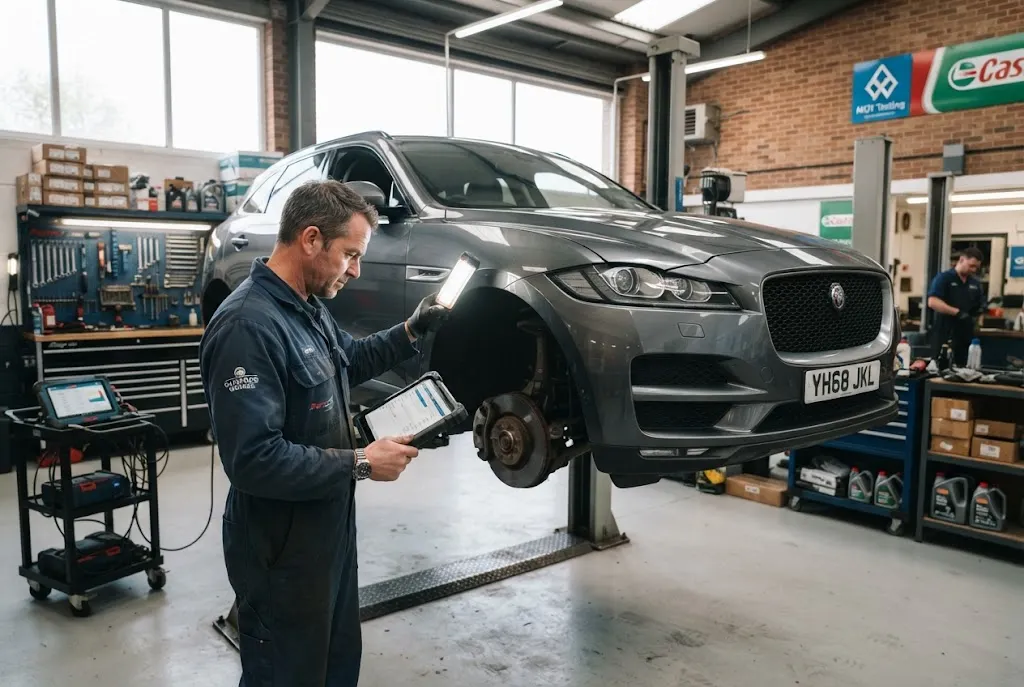
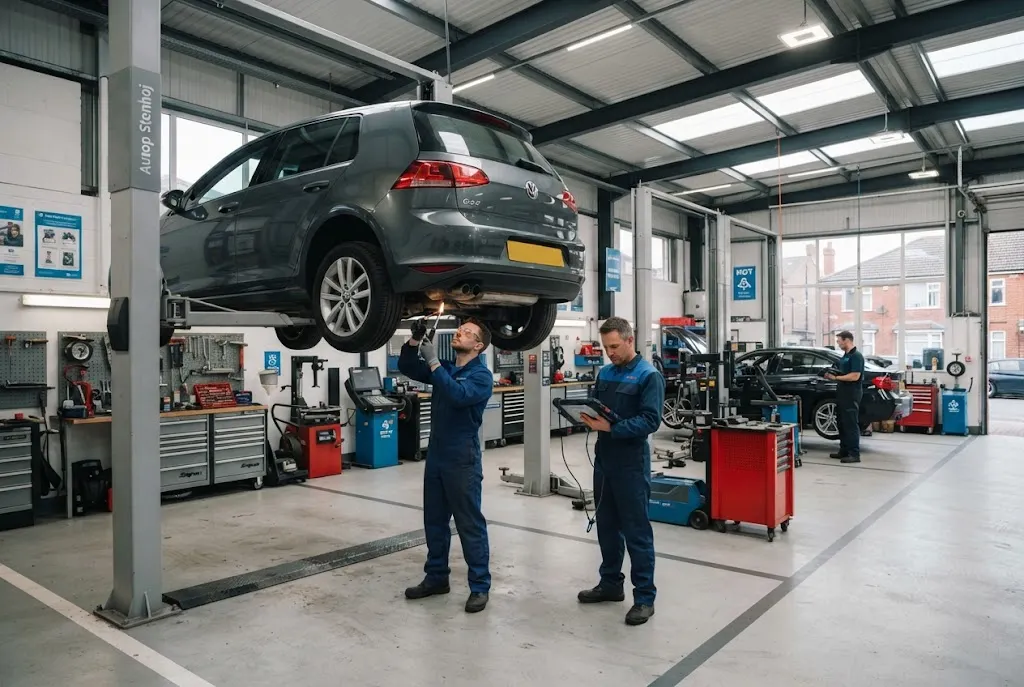
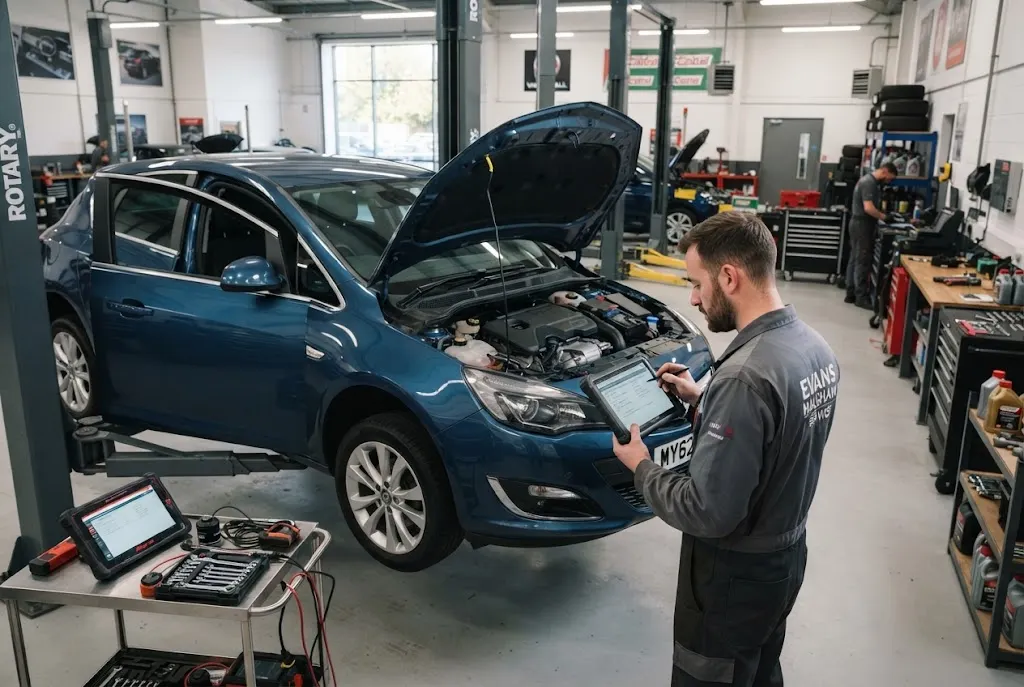
The workshop then assesses the problem. Depending on the vehicle and fault, diagnosis may involve visual inspection, road testing, measurements, electronic diagnostics or physical testing of individual components.
Once the likely cause has been identified, the garage can recommend an appropriate repair. If additional issues are discovered, they should be explained separately so the owner understands what has been found.
This process matters because replacing parts without establishing the underlying cause can result in unnecessary expense without resolving the original problem.
What to Ask Before Approving a Repair
When a garage recommends repair work, a few straightforward questions can improve your understanding of the situation.
- What fault have you identified?
- How was the fault diagnosed?
- Which component or components need attention?
- Is the repair safety-critical?
- Can the vehicle be driven safely before the repair?
- What happens if the repair is delayed?
- What parts will be used?
- What is included in the quotation?
- Is there a warranty on the repair or replacement parts?
You do not need to understand every technical detail. The goal is to make sure you know what is wrong, why the proposed work is needed and how urgently it should be addressed.
Understanding Auto Repair Costs
Repair costs can vary considerably because different vehicles use different parts, require different labour times and can present very different faults.
The final price may include parts, labour, diagnostic work, specialist equipment and other necessary services. A simple component replacement may therefore have a very different cost from a complex fault requiring extensive diagnosis and disassembly.
Before authorising significant work, request a written quotation or estimate where appropriate. Ask whether the quoted figure includes parts and labour and whether additional work would require your approval.
For larger repairs, comparing quotations can be useful. However, the cheapest quotation is not automatically the best choice. The quality and suitability of parts, technician expertise, warranty terms and the workshop’s ability to diagnose the problem should also be considered.
When Is a Car Repair Urgent?
Not every fault carries the same level of risk. Some problems should be addressed immediately, while others may allow time for planning.
Issues involving brakes, steering, significant tyre damage, severe overheating or other safety-critical systems deserve particular attention. If a vehicle behaves differently in a way that could affect safe control, do not assume that it is suitable for continued driving.
Dashboard warning lights should also be taken seriously. The meaning of a warning varies between vehicles, so consult the owner’s handbook or obtain appropriate professional advice when you are unsure.
If a garage identifies several issues, ask which ones are urgent and which can reasonably be scheduled later. This can help you prioritise repairs without losing sight of safety.
Auto Repair Services and MOT Failures
An MOT failure can lead directly to a repair decision, but an MOT test and a repair are separate processes.
The MOT assesses specific legal safety and environmental requirements. If a vehicle receives a failure, the test record identifies the relevant defects. The necessary corrective work then depends on the nature of those defects.
GOV.UK provides information about MOT results and explains that defects can be classified according to their severity. The official MOT test result guidance can help drivers understand the result recorded for their vehicle.
It is useful to keep the MOT paperwork alongside service and repair records. Together, these documents create a clearer history of the vehicle’s maintenance and inspection record.
Auto Repair Services for Older Vehicles
Older vehicles can require more frequent repair decisions because age and mileage may increase wear across several systems. However, age alone does not determine whether a repair is worthwhile.
Owners should consider the vehicle’s overall condition, service history, current mileage, expected future maintenance and intended length of ownership.
A relatively inexpensive repair may make sense for a vehicle in otherwise good condition. A much larger repair may require more careful consideration when several other major components are also approaching the end of their service life.
This is where accurate records and professional diagnosis become particularly useful.
Repair or Replace: How to Think About the Decision
When a major repair is recommended, drivers sometimes immediately compare the repair quotation with the vehicle’s current market value. That can be useful, but it should not be the only consideration.
Think about the vehicle’s overall condition and history. Consider whether other major repairs are likely, how well the car has been maintained and whether replacing the vehicle would introduce new costs and risks.
A repair can restore a vehicle that you already know well, while changing vehicles can involve purchase costs, insurance changes, financing and uncertainty about the replacement car’s history.
The right decision therefore depends on the circumstances rather than one simple price threshold.
How Preventive Maintenance Can Reduce Repair Problems
Repair planning begins before a breakdown. Regular maintenance can help identify worn or deteriorating components and provide opportunities to deal with problems progressively.
Following the manufacturer’s service schedule, checking tyres and fluids, monitoring warning lights and responding to unusual noises can all contribute to a more informed maintenance routine.
Our car servicing guide explains how scheduled servicing, service intervals and maintenance planning fit into long-term vehicle ownership.
Preventive maintenance cannot eliminate unexpected failures, but it can make vehicle care less reactive.
Choosing a Workshop for Auto Repair Services
The right workshop depends on the vehicle and the type of work required. Some repairs are relatively straightforward, while others require specialist diagnostic equipment or knowledge of a particular vehicle system.
When choosing a workshop, consider whether it regularly handles your vehicle type and whether it can explain diagnostic findings clearly. A professional approach should include a reasonable explanation of the problem, proposed repair and expected cost.
For substantial repairs, ask about parts, labour, warranty arrangements and whether the quotation is fixed or subject to additional findings.
Clear communication is especially important when the initial diagnosis reveals multiple issues. You should understand which work is necessary and which recommendations are advisory or longer-term.
Keeping Better Repair Records
Keep invoices and repair documentation after every significant repair. Record the mileage and date where this information is not already shown on the paperwork.
Repair records can help future technicians understand what has already been replaced. They can also prevent unnecessary duplication when a recurring fault is diagnosed.
When selling a vehicle, a documented repair and service history can give a potential buyer useful information about how the car has been maintained.
Auto Repair Services and Better Ownership Decisions
Good repair decisions are based on information rather than panic. When a vehicle develops a fault, the first objective should be to understand what has happened and whether the vehicle is safe to drive.
After diagnosis, consider the urgency, likely repair cost, vehicle condition and longer-term ownership plans. If the repair is significant, compare suitable options without automatically choosing the lowest price.
Most importantly, do not ignore safety-critical faults simply because the repair is inconvenient or unexpected. A short-term saving is rarely worthwhile if it creates an avoidable safety risk.
Final Thoughts on Auto Repair Services
Auto repair services become much easier to manage when drivers understand the difference between symptoms, diagnosis, maintenance and corrective repairs. Not every warning or unusual noise points to the same problem, so professional diagnosis is often the first useful step.
Keep service and repair records, follow the manufacturer’s maintenance recommendations and deal promptly with safety-critical issues. When additional work is recommended, ask what has been found, why it is necessary and how urgently it needs to be completed.
Repair costs will always be part of vehicle ownership, but informed planning can make them easier to manage. By combining preventive maintenance with sensible repair decisions, UK drivers can take a more structured approach to vehicle reliability and long-term ownership.