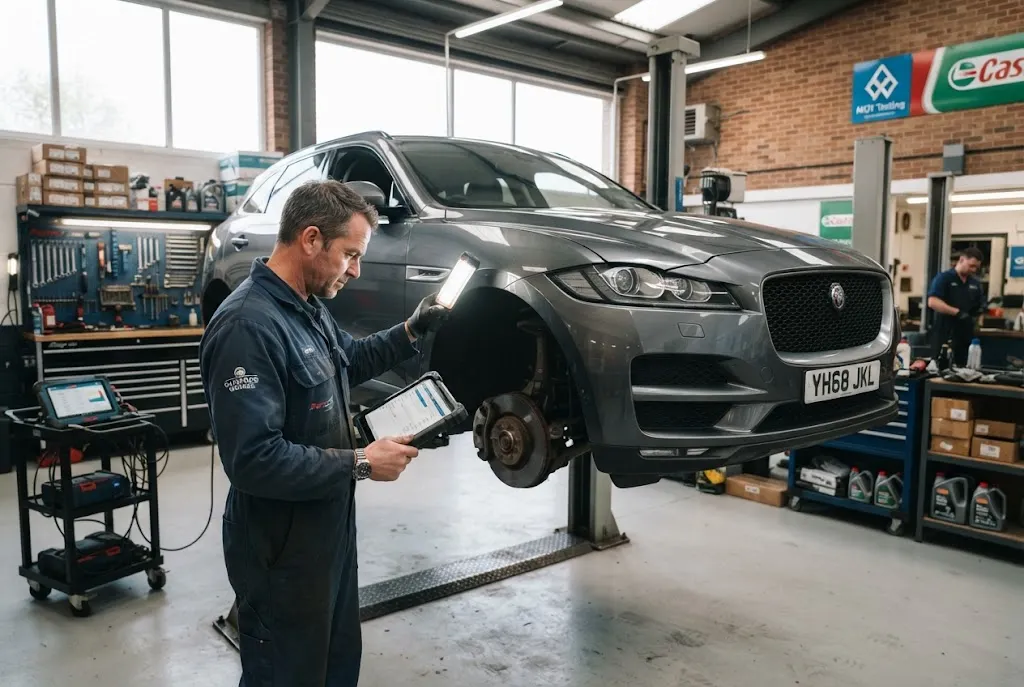
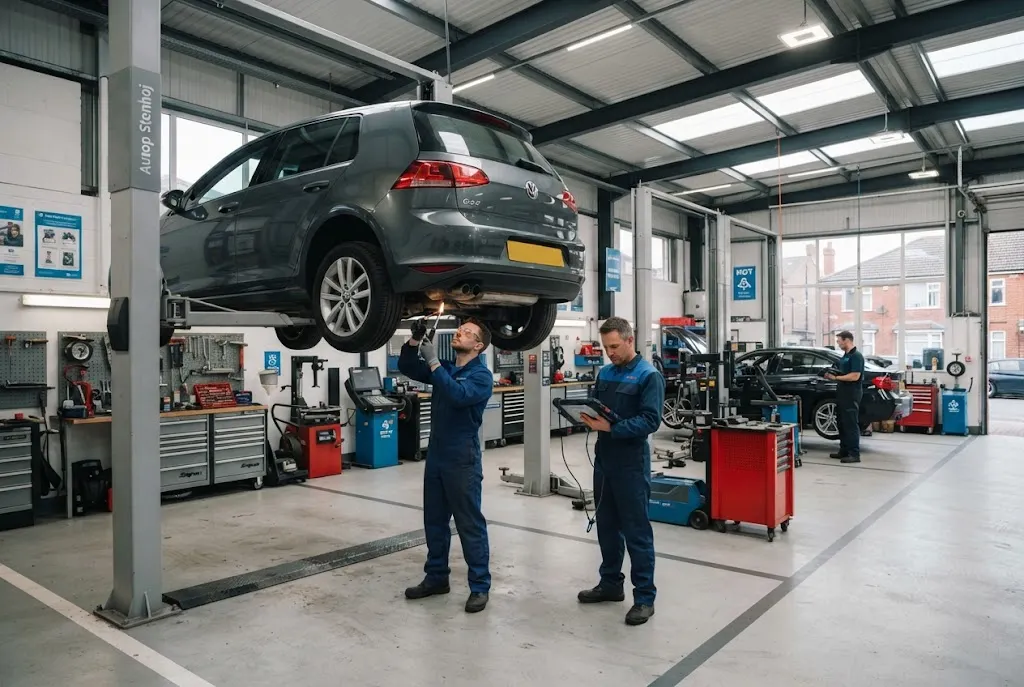
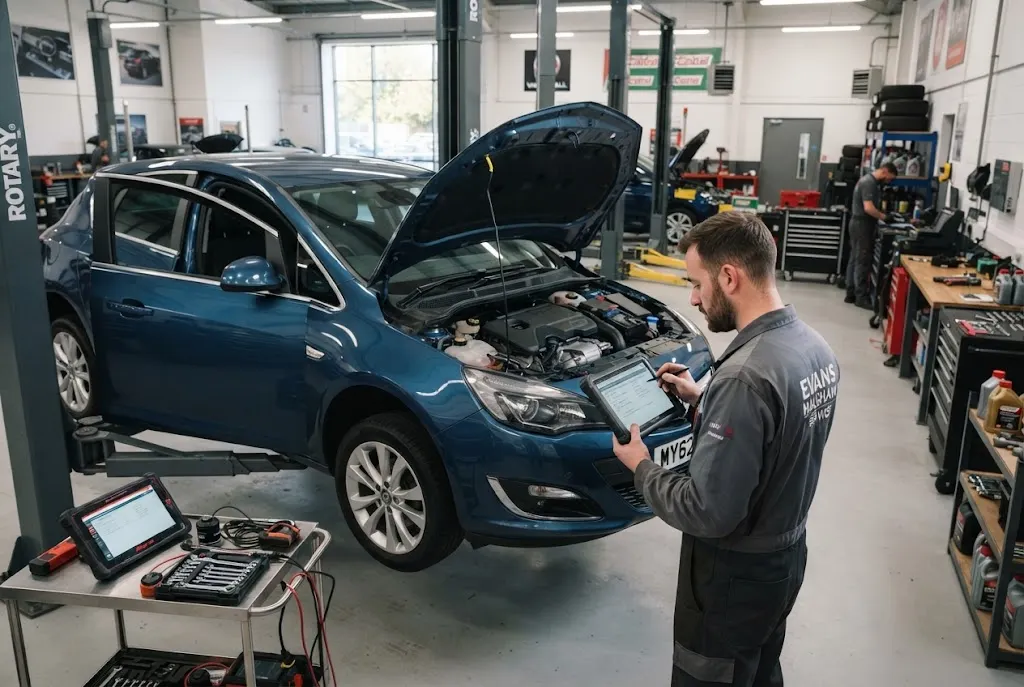
Understanding the difference between an MOT and service is essential for responsible vehicle ownership in the UK. Although both involve checking a vehicle, they have different purposes. An MOT is a statutory test that assesses whether an eligible vehicle meets specific safety and environmental standards, while servicing is planned maintenance designed to keep the vehicle in suitable working condition.
Confusing these two areas can lead to missed maintenance, unexpected repairs or the mistaken belief that an MOT certificate means a vehicle needs no further attention. In reality, drivers have an ongoing responsibility to keep their vehicles safe and roadworthy throughout the year.
This guide explains how MOT testing and servicing work together, what drivers should know about annual inspections, how to plan maintenance and why passing an MOT should never be treated as a replacement for regular vehicle care.
What Is an MOT and Service?
An MOT and service are two separate parts of vehicle ownership that complement each other.
An MOT is a regulated test for eligible vehicles. It checks specific parts of the vehicle against defined legal standards at the time of the test. A service, by contrast, is a maintenance appointment that can include inspections, fluid checks, replacement of scheduled maintenance items and other work recommended by the vehicle manufacturer.
The distinction is important because neither one completely replaces the other. A vehicle can pass an MOT and still require servicing. Equally, a vehicle can be serviced and still fail an MOT if it has a defect that does not meet the test requirements.
MOT and Service: What Is the Difference?
The easiest way to understand the difference is to consider their primary purpose.
MOT Testing
An MOT checks whether the vehicle meets specified roadworthiness and environmental requirements. The test covers particular areas such as brakes, tyres, steering, suspension, lights, visibility and emissions, depending on the vehicle and its class.
The result reflects the vehicle’s condition at the time it is tested. It is therefore a snapshot rather than a guarantee that the vehicle will remain fault-free for the following year.
Vehicle Servicing
Servicing is part of planned vehicle maintenance. The work should generally follow the manufacturer’s recommendations for the specific vehicle, taking account of factors such as mileage, time and usage.
A service may involve replacing engine oil and filters, inspecting components and completing scheduled maintenance tasks. The exact checklist varies considerably between vehicles and service providers.
Our detailed car servicing guide explains service intervals, interim services, full services and major maintenance visits in greater detail.
When Does a Car Need an MOT?
For most cars, the first MOT is generally due by the third anniversary of registration, after which an annual MOT is normally required. The exact requirements can vary for different types of vehicles.
Drivers can check a vehicle’s MOT status and history using the official GOV.UK service. The government guidance also explains that driving without a valid MOT can be unlawful when an MOT is required, subject to limited exceptions such as travelling to a pre-arranged MOT test.
It is sensible to check the expiry date rather than relying on memory. Booking ahead can also give you more flexibility if the vehicle requires repairs following the test.
What Does an MOT Check?
The MOT is based on defined inspection standards. The tester examines specific vehicle components and records defects according to the applicable testing rules.
Depending on the vehicle, areas examined can include:
- Braking systems
- Steering and suspension
- Tyres and wheels
- Lights
- Visibility
- Seat belts and other restraint systems
- Body and vehicle structure
- Exhaust and emissions-related items
- Registration plates and other required components
The exact inspection criteria depend on the vehicle category and applicable MOT requirements. The Driver and Vehicle Standards Agency publishes detailed inspection standards for MOT testers and authorised testing stations.
Why Passing an MOT Does Not Mean the Car Is Fully Maintained
A common misconception is that a recent MOT means a vehicle does not need maintenance until the next test. That is not the case.
The MOT assesses specific requirements during a particular inspection. It does not cover every aspect of mechanical condition or replace the manufacturer’s servicing schedule.
For example, a vehicle can pass its MOT while still being due for an oil change or other scheduled maintenance. Similarly, components can wear after an MOT has been completed.
GOV.UK makes this distinction clear by explaining that a vehicle can be unsafe even when it has a valid MOT certificate. Drivers remain responsible for keeping their vehicles roadworthy.
That is why routine vehicle maintenance should continue between MOT tests.
Should You Service Your Car Before an MOT?
There is no universal requirement to have a service immediately before an MOT. However, some owners choose to schedule servicing before testing because it provides an opportunity to identify and address maintenance issues.
A service can be useful for checking the vehicle’s general condition, but it should not be described as an MOT preparation guarantee. The MOT tester applies the relevant inspection standards independently.
If you arrange a service shortly before an MOT, ask the garage to explain any faults or maintenance items they identify. This gives you an opportunity to decide which work should be completed before the test and which items are routine maintenance for future planning.
MOT and Service Planning for the Year
A simple annual vehicle plan can help prevent MOT dates and servicing requirements from becoming last-minute problems.
Start by recording the MOT expiry date and the date and mileage of the last service. Then check the manufacturer’s recommended servicing schedule and identify upcoming maintenance requirements.
It can also help to record previous repairs and replacement parts. This creates a useful history that can be referred to during future servicing or when diagnosing a new fault.
A practical annual plan might include:
- Checking the MOT expiry date
- Reviewing the manufacturer’s service schedule
- Monitoring mileage throughout the year
- Carrying out routine tyre and fluid checks
- Keeping service and repair records
- Investigating warning lights or unusual vehicle behaviour
- Allowing time for repairs if an MOT identifies defects
This approach turns vehicle care into a continuous process rather than an annual scramble.
What Happens If a Car Fails Its MOT?
If a vehicle fails its MOT, the test result identifies the defects that have caused the failure. The vehicle may also receive advisories for issues that do not currently result in a failure but could require attention later.
The appropriate next step depends on the defects identified. Some failures may involve relatively straightforward repairs, while others can require more extensive diagnostic or mechanical work.
Drivers should understand which defects must be repaired before the vehicle can safely or legally be used and which items are advisories for future consideration.
The official GOV.UK MOT test result guidance explains how MOT results and recorded defects work.
MOT Advisories and Maintenance Planning
An advisory does not necessarily mean that a vehicle has failed the MOT. However, advisories can provide useful information about components that may require attention in the future.
Drivers should keep the advisory information with their service and repair records. If the same component is mentioned again at a later inspection, the history can help indicate how its condition has changed.
Not every advisory requires immediate replacement. The appropriate response depends on the component, its condition, the vehicle’s usage and professional assessment.
Using advisories as part of maintenance planning can help owners avoid being surprised by predictable wear later.
MOT and Service for Used Cars
MOT and service records are particularly useful when buying a used vehicle. An MOT history can show previous test results and recorded defects, while service documentation can provide information about routine maintenance and repairs.
Neither record should be treated as proof that a used car is currently in perfect condition. A physical inspection and appropriate checks remain important.
When reviewing a used vehicle, consider the consistency of its service history, current mileage, previous MOT results, advisories and evidence of major repairs.
A car with a recent MOT but little evidence of servicing may require a different ownership plan from a vehicle with a comprehensive maintenance history.
How to Prepare for an MOT
Drivers can perform some basic checks before taking a vehicle for its MOT. These checks cannot guarantee a pass, but they may help identify obvious problems.
Check the Lights
Make sure the vehicle’s required lights appear to be working correctly. Check headlights, indicators, brake lights and other exterior lighting.
Inspect the Tyres
Look for visible damage and unusual wear. Check tyre pressures using the manufacturer’s recommended figures.
Check Visibility
Inspect the windscreen, wipers and washers. Make sure the windscreen is reasonably clear and that the wipers and washers operate correctly.
Look at the Number Plates
Ensure the registration plates are clean, secure and readable.
Pay Attention to Warning Lights
If a dashboard warning light is illuminated, check the owner’s handbook and consider having the underlying issue assessed rather than assuming it will not affect the MOT.
These basic checks form part of broader vehicle maintenance and should not be limited to the days before an MOT.
How MOT and Service Costs Can Be Planned
Vehicle ownership costs are easier to manage when routine maintenance is anticipated. An MOT itself is subject to a maximum test fee for standard vehicle classes, although garages may offer different prices and additional services.
Servicing costs vary more widely because service requirements differ between vehicles. The price can depend on the vehicle model, service type, parts required and any additional maintenance identified.
Repairs following an MOT failure are separate from the test itself. The cost depends on the specific defect and the parts and labour required to correct it.
For this reason, maintaining a modest maintenance budget can be useful. It allows drivers to deal with predictable servicing and occasional repairs without treating every expense as an unexpected emergency.
What Drivers Should Know About Vehicle Compliance
Vehicle compliance is not simply about having an MOT certificate. Drivers must continue to meet their responsibilities for vehicle condition and roadworthiness.
A current MOT does not remove the need to check tyres, lights, brakes or other safety-related systems. The vehicle can change condition after the test, and faults can develop at any time.
Owners should also pay attention to manufacturer recalls and safety information where relevant. If a vehicle manufacturer identifies a serious safety-related defect, the owner may need to arrange corrective work.
For broader information about keeping a vehicle safe between formal inspections, GOV.UK provides official vehicle safety guidance.
MOT and Service: Common Mistakes to Avoid
Waiting Until the Last Minute
Leaving an MOT appointment until the expiry date can create unnecessary pressure if the vehicle requires repairs. Planning ahead gives you more time to deal with problems.
Treating an MOT as a Service
An MOT and a service have different purposes. Passing one does not automatically mean the other is complete.
Ignoring Advisories
Advisories can provide useful information about developing wear. They should be recorded and considered as part of future maintenance planning.
Ignoring Warning Signs Between Tests
A new warning light, unusual noise or change in vehicle behaviour should be assessed when appropriate rather than waiting for the next MOT.
Assuming Every Service Is Identical
Service packages differ between vehicles and providers. Always check what work is included and compare it with the manufacturer’s maintenance requirements.
Building a Better MOT and Service Routine
A strong routine combines legal compliance with practical maintenance. Keep your MOT date visible, follow the manufacturer’s servicing schedule and perform basic checks throughout the year.
Keep all relevant documents together, including MOT results, service records and repair invoices. When an advisory or maintenance issue is identified, record it so it can be reviewed during the next service.
If the vehicle develops a significant fault, seek professional assessment rather than waiting for the MOT to identify it. This is particularly important for issues affecting brakes, steering, tyres, lights or other safety-critical systems.
This approach gives you a clearer picture of the vehicle’s condition and helps separate routine maintenance from urgent repairs.
Final Thoughts on MOT and Service
Understanding the relationship between an MOT and service can make vehicle ownership considerably easier. The MOT is a regulated inspection that checks specific safety and environmental requirements, while servicing is planned maintenance based primarily on the vehicle manufacturer’s recommendations and condition.
Neither should replace the other. A valid MOT does not remove the need for servicing, and a completed service does not guarantee an MOT pass.
The most practical approach is to maintain the vehicle throughout the year, monitor its condition, keep accurate records and plan both servicing and MOT testing in advance. When a problem is identified, understand its urgency and deal with safety-critical issues appropriately.
For UK drivers, this combination of MOT awareness, scheduled servicing and everyday vehicle care provides a stronger foundation for safe, compliant and informed car ownership.