Choosing the right auto service garage can make vehicle ownership considerably easier. Whether you need routine servicing, professional repairs, diagnostic work or help with an unexpected fault, the garage you select can influence the quality of the work, the communication you receive and your overall ownership experience. Understanding how different garages operate gives drivers a stronger basis for comparing their options.
Modern vehicles are increasingly complex, so professional repairs involve more than replacing worn components. A suitable workshop needs the right equipment, appropriate technical knowledge and a structured approach to diagnosing problems. At the same time, customers need clear explanations, transparent communication and confidence that recommended work is relevant to their vehicle.
What Is an Auto Service Garage?
An auto service garage is a professional facility that provides maintenance, inspection, diagnostic and repair services for vehicles. The exact services offered vary between businesses, but many garages deal with routine servicing, mechanical repairs, electrical faults, braking systems, suspension, tyres and other vehicle-related requirements.
Some garages specialise in particular vehicle makes or types, while others provide general automotive services across a wide range of cars and light commercial vehicles. The appropriate choice depends on the vehicle, the work required and the level of specialist support you want.
A professional garage should also distinguish between diagnosing a problem and carrying out the repair itself. Correct diagnosis is particularly important when a vehicle has a recurring fault or a warning light with several possible causes.
Independent Garages and Authorised Workshops
Drivers generally encounter both independent garages and authorised workshops when looking for professional automotive services. Neither option is automatically the right choice for every vehicle or repair. The decision should be based on the specific circumstances.
Independent garages
Independent garages operate separately from vehicle manufacturers and dealership networks. Many provide a broad range of workshop services and may work on numerous makes and models.
For drivers who value local service, flexibility and a direct relationship with a workshop, an independent garage can be a practical option. However, standards and capabilities can differ considerably between individual businesses, so customers should assess the garage rather than relying on the category alone.
Authorised workshops
Authorised workshops are connected with particular manufacturers or established service networks and may have access to manufacturer-specific equipment, technical information and servicing procedures. This can be particularly relevant for vehicles that require specialised diagnostic systems or brand-specific expertise.
Authorised servicing can also appeal to owners who prefer a workshop closely aligned with the vehicle manufacturer’s procedures. However, the cost and service structure may differ from those of an independent business.
What Makes a Professional Workshop?
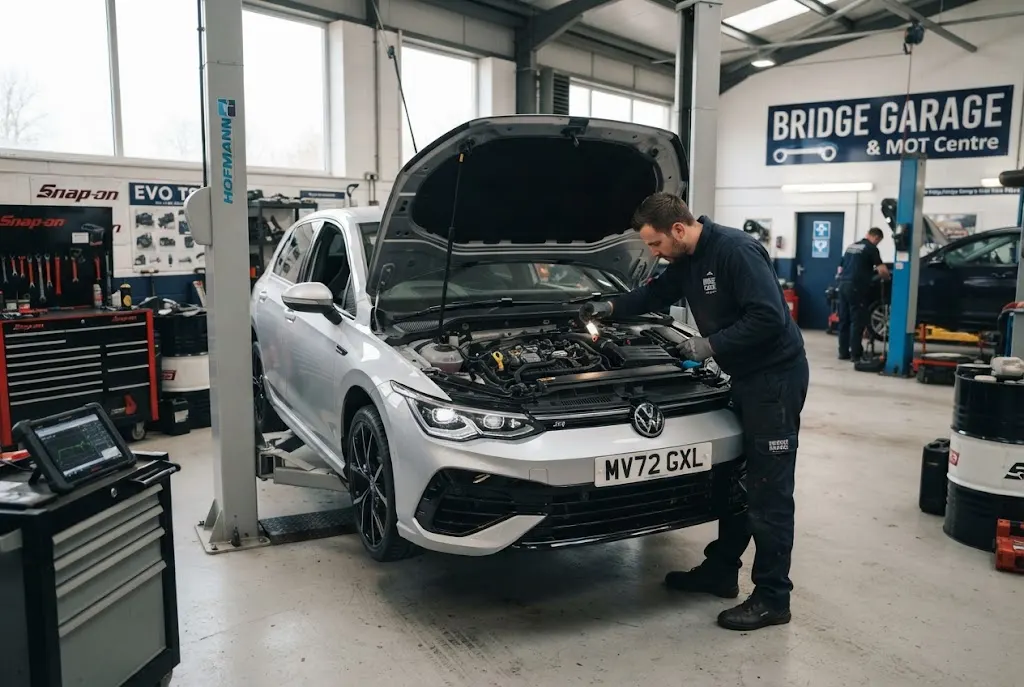
Workshop standards are about more than having a building filled with tools. A professional repair environment should have appropriate equipment, organised working practices and technicians capable of carrying out the services being offered.
Good workshops normally approach faults systematically. They inspect the vehicle, gather relevant information, identify the likely cause and then recommend an appropriate repair. Where diagnostic equipment is needed, the results should be interpreted alongside physical inspection rather than treated as a substitute for technical judgement.
Customers should also expect basic professionalism in the way work is communicated. A garage that clearly explains what it has found and why a particular repair is recommended makes it easier for the vehicle owner to make an informed decision.
Vehicle Servicing at an Auto Service Garage
Vehicle servicing is one of the most common reasons drivers visit a garage. Regular servicing can help identify developing issues and maintain the vehicle according to the manufacturer’s recommended requirements.
A service is not necessarily identical for every vehicle. Requirements can depend on the manufacturer’s maintenance schedule, mileage, vehicle age, engine type and previous service history. For this reason, drivers should avoid assuming that every car needs exactly the same checks or replacement items.
Keeping service records is also useful. A documented history gives future technicians valuable information and can help owners understand what work has already been completed.
Drivers looking for broader guidance can also explore our article on vehicle maintenance, which covers preventive maintenance, service planning and long-term vehicle reliability.
How an Auto Service Garage Handles Repairs
Professional repairs usually begin with an assessment of the customer’s concern. The driver may describe a noise, vibration, warning light, starting problem or change in vehicle behaviour. The technician then uses this information alongside inspection and, where appropriate, diagnostic testing.
The repair process can include several stages:
- Understanding the symptoms reported by the driver.
- Inspecting relevant vehicle components and systems.
- Using suitable diagnostic equipment where required.
- Identifying the likely source of the problem.
- Explaining the recommended repair.
- Providing an estimate or quotation where applicable.
- Carrying out the authorised work.
- Checking the vehicle after the repair.
This structured approach helps reduce the risk of replacing parts unnecessarily. It also gives customers a clearer understanding of what they are paying for.
Customer Experience Matters
The technical quality of a repair is important, but customer experience should not be overlooked. Vehicle problems can be stressful, particularly when a driver relies on the car for work, family responsibilities or regular travel.
Clear communication can make the process much easier. A good garage should be able to explain the issue without relying on unnecessary technical jargon and should distinguish between urgent repairs and recommendations that can reasonably be considered later.
Customers should feel comfortable asking questions about the diagnosis, parts, labour, expected completion time and any additional work that may become necessary. A transparent conversation helps both sides establish realistic expectations.
How to Compare Different Garages
Garage selection should involve more than comparing the cheapest advertised price. A low initial quote may not provide the same scope of work as another quotation, so customers should understand exactly what is included.
When comparing service centres, consider factors such as:
- The garage’s experience with your vehicle type.
- The services and repairs it actually provides.
- Whether appropriate diagnostic equipment is available.
- How clearly the business explains recommended work.
- Whether estimates or quotations are provided before significant repairs.
- How additional faults are communicated.
- The workshop’s general professionalism and organisation.
- Whether the location and appointment process are convenient.
These considerations can provide a more meaningful comparison than price alone. The right garage is one that offers an appropriate combination of technical capability, professional communication and service for your particular vehicle.
Questions to Ask Before Authorising Repairs
Drivers do not need extensive mechanical knowledge to have a useful conversation with a garage. A few straightforward questions can clarify what is happening and help prevent misunderstandings.
Ask what fault has been identified, whether the repair is urgent and what may happen if the work is postponed. You can also ask whether the recommendation is based on a confirmed diagnosis or further investigation is required.
For larger repairs, it can be helpful to understand whether the estimate includes parts, labour and diagnostic time. If the technician discovers additional problems after work starts, ask the garage to explain the findings before authorising further non-essential work.
Auto Service Garage Standards and Vehicle Reliability
Choosing a capable garage contributes to better ownership decisions, but reliability also depends on what happens between workshop visits. Drivers who follow appropriate maintenance schedules and respond to warning signs promptly can make it easier to identify problems before they become more disruptive.
A garage can inspect and repair a vehicle, but the owner remains an important part of the maintenance process. Keeping records, following service recommendations and reporting unusual changes in vehicle behaviour can all improve the information available to technicians.
Our guide to auto repair services provides additional context on common repairs, repair planning and the decisions drivers may face when a vehicle develops a fault.
When a Traditional Garage Is Not the Only Option
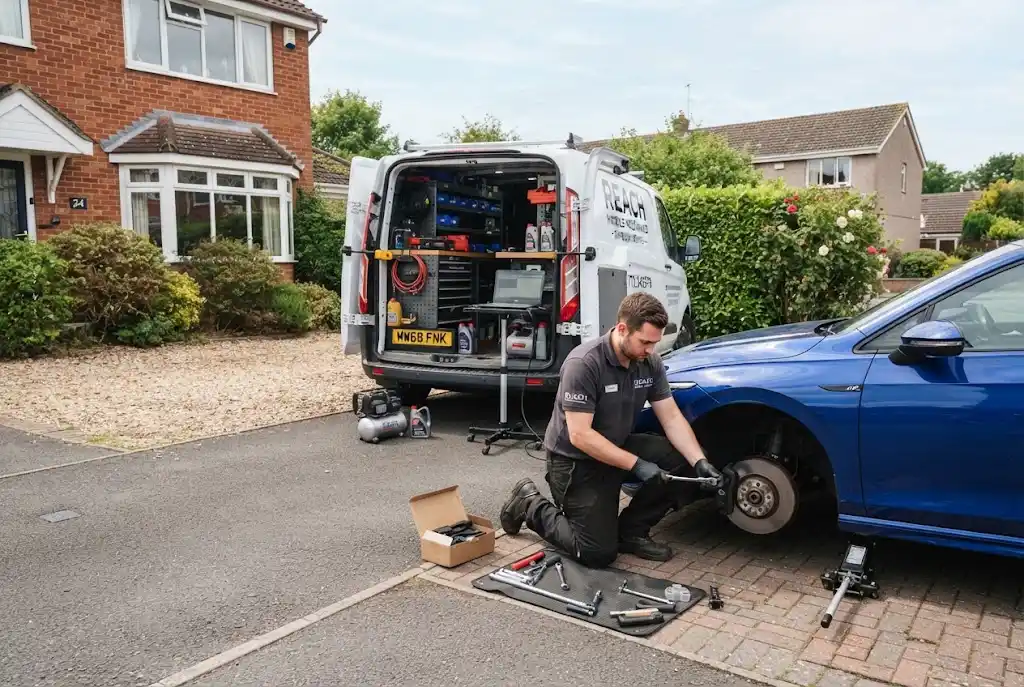
Not every service situation requires a conventional workshop visit. Depending on the fault and the service provider, some vehicle work can be carried out at the customer’s home or another suitable location.
This is where mobile auto service can offer an alternative. Mobile mechanics may provide selected maintenance, diagnostic or repair services without requiring the vehicle owner to travel to a traditional workshop.
However, mobile servicing is not suitable for every job. Larger repairs or work requiring specialist workshop equipment may still need to be completed at a properly equipped facility. The type of repair should therefore determine the most suitable service option.
Making a Confident Garage Selection
The best garage choice is ultimately about matching the workshop to the vehicle and the job. A routine service may require a different level of specialist support than a complicated electrical fault, major mechanical repair or manufacturer-specific diagnostic problem.
Before booking, understand what your vehicle needs and look for a garage capable of providing that particular service. Ask sensible questions, compare like-for-like quotations and pay attention to how clearly the business communicates.
It is also useful to develop a relationship with a reliable workshop rather than changing garages every time a vehicle needs attention. Familiarity with the vehicle’s history can make future diagnosis and maintenance planning more efficient.
Final Thoughts on Choosing an Auto Service Garage
An auto service garage plays an important role in maintaining vehicle condition, addressing faults and supporting safe, dependable motoring. Independent garages, authorised workshops and specialist service centres can all have a place in the automotive landscape, depending on the vehicle owner’s requirements.
Rather than choosing solely on price or convenience, consider workshop capability, repair processes, communication and the type of service your vehicle requires. A professional approach to servicing and repairs can give drivers greater confidence while supporting sensible maintenance decisions and long-term vehicle reliability.
Understanding what to expect from a garage also makes it easier to become a more informed vehicle owner. With the right repair knowledge, drivers can ask better questions, plan necessary work and choose service options that genuinely suit their circumstances.