A BMW service is about much more than changing the oil on a set date. For a UK owner, it is the routine that keeps the car safe, efficient and enjoyable to drive, protects its service history and helps you plan ahead with confidence. Modern BMWs use condition-based servicing, so the car itself helps to indicate when particular items are due, based on time, mileage and how components are wearing, rather than relying on one fixed rule for every driver and every pattern of use.
This ownership guide explains BMW service in the UK in one place: what a service includes, how the BMW maintenance schedule and service intervals work in general terms, what BMW approved service means, which factors shape BMW servicing costs, and how good records and premium vehicle care support long-term maintenance. Whether your BMW is a daily driver, a family car or a weekend pleasure, the aim is the same: to help you book the right work, at the right time, with a garage you trust, and to understand what you are paying for before you hand over the keys.
What Does a BMW Service Include?
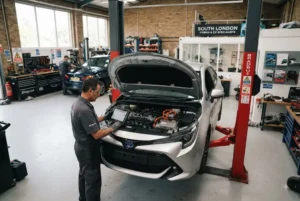
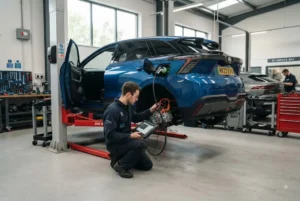
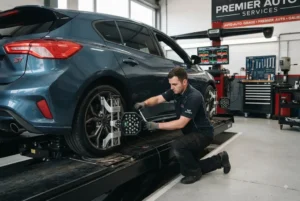
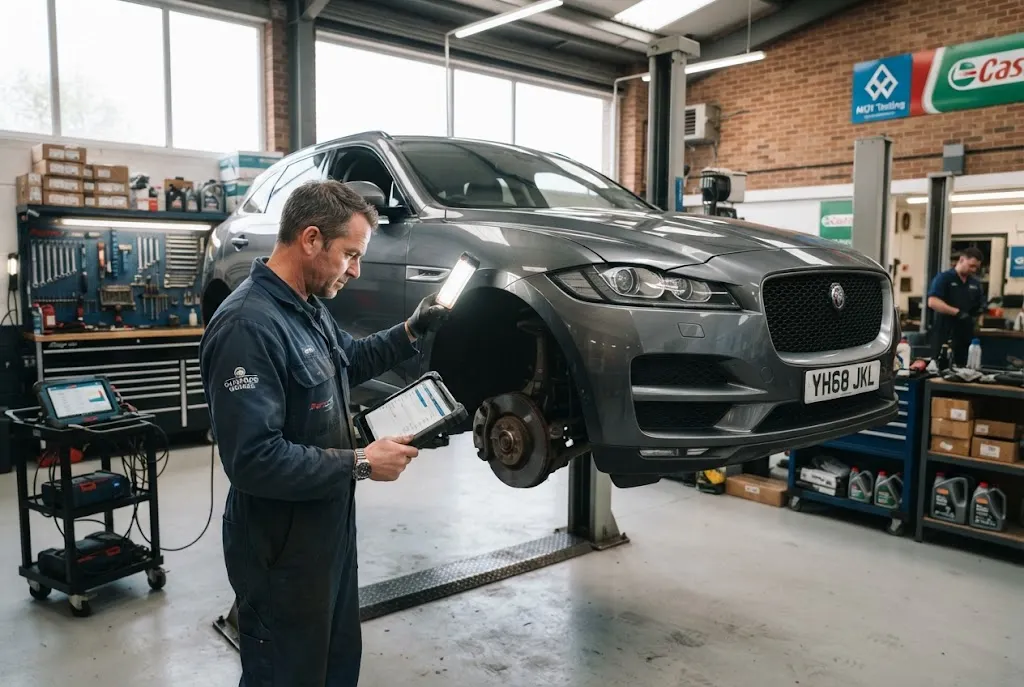
A BMW service combines routine replacement items, careful safety checks and electronic checks of the car’s systems. The exact work depends on the model, its age and mileage, and what the condition-based system is showing as due. A typical visit may include an engine oil and filter change, checks of the brakes, tyres, steering, suspension and lights, inspection for leaks and wear, and attention to fluids and filters where they are due. The technician should also look for anything that could become a problem before the next visit, so small issues can be discussed and planned rather than left to develop.
Just as importantly, a proper BMW service is recorded. The work carried out, the parts fitted and the date and mileage should all be entered in the car’s service record, whether that record is kept digitally, on paper, or in both forms. That record becomes part of the story of the car.
Oil Service and Engine Care
The oil service is at the heart of most servicing. Fresh engine oil and a new filter help protect the engine from wear, manage heat and keep internal parts clean. Leaving oil changes too long can allow oil to degrade and contaminants to build up, which is not a sensible economy on any car, and particularly not on a finely engineered one. Alongside the oil, a technician will usually check drive belts, hoses and levels, listen to how the engine runs and use diagnostic equipment to check for stored fault codes that may not yet have produced a warning light.
Inspection, Brakes and Fluids
Other items become due at different points. Brake pads and discs are wear items and are checked for condition and thickness, while brake fluid absorbs moisture over time and is therefore replaced periodically in general terms, according to the schedule for the car. Air and cabin filters, spark plugs on petrol models and fuel filters on some models also have their own intervals. Coolant, screen wash and other fluids are checked and topped up or renewed as required. None of these jobs should be treated as optional extras to skip without thought: brakes, tyres and fluids are central to safety, comfort and reliability.
The BMW Maintenance Schedule and Service Intervals
The BMW maintenance schedule for modern cars is built around condition-based servicing. Instead of every item falling due at the same fixed mileage, the car monitors time, distance and usage and indicates individual items, such as oil, brake pads or brake fluid, when they approach their due point. Information in the car and in the handbook or app, where fitted, helps the owner see what is coming up. This is why two cars of the same age can need different work at a service: a car used mainly for short town journeys lives a different life from one covering long motorway trips.
Service intervals should therefore be treated as guidance from the car and its schedule, not as a date to ignore until something feels wrong. Check the service display regularly, keep an eye on the time and mileage to the next item, and book in good time, especially before a long journey or an MOT. An MOT is a separate legal test of roadworthiness and is not the same as a service, a distinction explained further in our guide to car servicing in the UK. Planning both together can be convenient, but one does not replace the other.
BMW Approved Service: BMW Service UK Options
When people talk about BMW approved service, they usually mean servicing carried out to BMW’s schedules and standards, using suitable parts and fluids, by technicians who understand the marque, with the work properly recorded. For a BMW service UK owners broadly have two main routes, and the right choice depends on the car’s age, warranty position, budget and personal preference.
A main dealer offers direct access to the manufacturer’s systems, model-specific updates and recalls information, and a service record held within the brand’s own network. For newer cars, cars under a manufacturer warranty or service plan, and owners who value that continuity, this route can provide welcome reassurance. Bookings, courtesy arrangements and facilities vary, so it is worth confirming exactly what is included when you book.
The alternative is a BMW specialist independent garage. A good specialist focuses on the marque, works to the manufacturer’s schedule, uses parts and fluids of suitable quality and can update digital service records where it has the necessary access. Many owners move to a trusted specialist as a car ages, valuing continuity with the same technicians and a more personal relationship. Whether you choose a dealer or a specialist, ask the same questions: Will you follow the BMW schedule for my car? What parts and oil will you use? Will the service record be updated? Will you contact me before doing any extra work? Clear answers are a good sign.
On warranty, the general principle is to check the terms that apply to your own car and to keep evidence that servicing was done on time and to the correct standard. Keeping itemised invoices that show the schedule followed, the parts and fluids used and the mileage is sensible whichever route you choose, because that paperwork supports both warranty discussions and a future sale.
BMW Servicing Costs: What Affects the Price?
There is no single honest figure for BMW servicing costs, because the price depends on what is actually due and on the car in front of the technician. Rather than chasing a headline number, it is more useful to understand the factors, so you can compare like-for-like quotes and budget sensibly for BMW ownership:
- Model and engine: larger, higher-performance or more complex models can need more oil, different parts and more labour time than smaller, simpler ones.
- Age and mileage: older and higher-mileage cars may need additional items, such as plugs, filters or brake components, at the same visit.
- Type of service due: an oil service alone costs less in scope than a visit that also includes brakes, brake fluid or other scheduled items.
- Parts and fluids: the specification and quality of parts and oil required for the car affect the total, and cutting corners here is rarely wise.
- Labour and region: labour rates vary between garages and between regions of the UK, and dealer and independent rates are structured differently.
- Additional work found: worn tyres, brakes or suspension parts identified during inspection add to the bill if you agree to have them done.
To keep control, ask for an itemised quote before work starts, check whether it covers parts, labour, fluids and VAT, and agree that the garage will call before carrying out anything extra. Reading more about what affects the cost of a car service can also help you judge whether a quote is fair for the work listed. A planned service, booked at a time that suits you, is almost always easier to manage than urgent work forced on you by a breakdown.
Keeping Records for Long-Term Maintenance and Resale
Good records are the backbone of long-term maintenance. Keep every invoice, inspection report and receipt, whether your history is held digitally by the garage, in a stamped book, or in a simple folder at home. A complete record shows dates, mileages, who did the work and which parts and fluids were used. Note future items too: if a technician advises that brakes or tyres will need attention before the next service, write it down and plan for it rather than relying on memory.
This habit pays off twice. First, it helps you follow the BMW maintenance schedule accurately, avoiding duplicated work and missed items. Second, a full, well-organised history reassures a future buyer that the car has been cared for, which supports confidence at resale time. That is a central theme of sensible routine vehicle maintenance for any car, and it matters even more with a premium brand, where buyers look closely at history. If you buy a used BMW, checking and then continuing its records should be one of your first jobs.
Premium Vehicle Care Habits for BMW Ownership
Premium vehicle care is not about pampering a car for its own sake. It is about small, regular habits between services that protect reliability and enjoyment. Check tyre pressures and condition regularly, keep an eye on oil, coolant and screen wash levels, and do not ignore warning lights, new noises or changes in how the car feels. Wash the car regularly, including clearing dirt from around wheel arches in winter, and keep the interior clean and dry, which helps preserve materials and makes time in the car more pleasant.
Drive with a little mechanical sympathy, too: allow the engine to warm before using strong performance, avoid treating every journey as a series of short hops where possible, and address minor faults promptly while they are still minor. None of this replaces a proper BMW service, but it supports it, and it is the practical side of BMW ownership that owners control every week, not just once a year at the garage.
A Simple Ownership Guide Checklist
Use this brief checklist to stay on top of your BMW service UK routine. Follow the car’s condition-based display and its BMW maintenance schedule. Book a BMW approved service, with a dealer or trusted specialist, in good time. Compare BMW servicing costs by the work included, not by headline price alone. Keep every record, digital and paper, in one place. Practise premium vehicle care between visits, from tyres and fluids to prompt attention to warnings. Do those things consistently and BMW ownership becomes what it should be: a well-maintained car that is safe, satisfying and ready for the journeys you bought it for, with servicing as a planned part of ownership rather than an unwelcome surprise.