Buying used cars can be a practical way to access a vehicle without paying the price of a brand-new model. However, choosing a second-hand vehicle requires more than comparing advertised prices. Buyers should assess the car’s history, condition, maintenance records, running costs and likely resale value before making a commitment.
A well-researched used car can provide years of useful service, while a poorly checked vehicle can create unexpected repair bills soon after purchase. By following a structured buying process, UK motorists can reduce avoidable risks and make a more informed decision.
Why Consider Used Cars?
One of the main attractions of used cars is the wider range of vehicles available at different price points. Buyers can consider older models, nearly new vehicles and cars with different specifications depending on their budget and requirements.
A second-hand vehicle may also offer features that would be expensive to add when purchasing a new car. However, the purchase price should never be the only consideration. Insurance, fuel consumption, servicing, tyres, repairs and vehicle tax can all contribute to the overall cost of ownership.
This makes it important to evaluate the vehicle as a complete ownership proposition rather than simply looking for the cheapest listing.
Set a Realistic Used Car Budget
Before searching for a vehicle, establish how much you can comfortably spend. Your budget should include more than the advertised purchase price.
Allow room for costs that may arise immediately after buying the car. For example, you may need to arrange insurance, complete routine maintenance, replace worn tyres or carry out minor repairs.
A useful budget can therefore include:
- The purchase price or initial finance contribution.
- Insurance costs.
- Vehicle tax where applicable.
- Fuel or charging costs.
- Routine servicing.
- MOT-related costs.
- Tyres and other wear items.
- A contingency amount for unexpected repairs.
Planning for these expenses can help prevent a situation where the entire vehicle budget is spent on the purchase and there is nothing left for essential work afterwards.
Check the Vehicle History
Vehicle history is one of the most important areas to investigate before buying a second-hand car. The history can provide useful information about previous use, recorded mileage, MOT results and other aspects of the vehicle’s past.
Check the registration details and make sure the information supplied by the seller matches the vehicle you are viewing. Review available MOT records and look for patterns that may require further investigation.
For example, mileage should make sense when compared with previous records. Sudden inconsistencies should not automatically be treated as proof of wrongdoing, but they are a reason to ask questions and investigate further.
Buyers should also consider an appropriate vehicle history check when the circumstances warrant it. Such checks can provide additional information that may not be obvious from an advert or physical inspection.
Review Maintenance Records
Maintenance records can provide valuable evidence about how a vehicle has been cared for. Ask whether the seller has service invoices, receipts or other documentation showing completed work.
Look for evidence of routine servicing and significant repairs. The absence of complete records does not automatically mean that a vehicle is unsuitable, but it does create greater uncertainty about its maintenance history.
Where records are available, check that dates and mileage appear consistent. It can also be useful to identify when major maintenance items were last addressed and whether any upcoming work is likely to be required.
For buyers who want a broader understanding of maintenance costs, our guide to tyre services and tyre maintenance explains why tyre condition should form part of a second-hand vehicle inspection.
Inspect the Car Before Buying
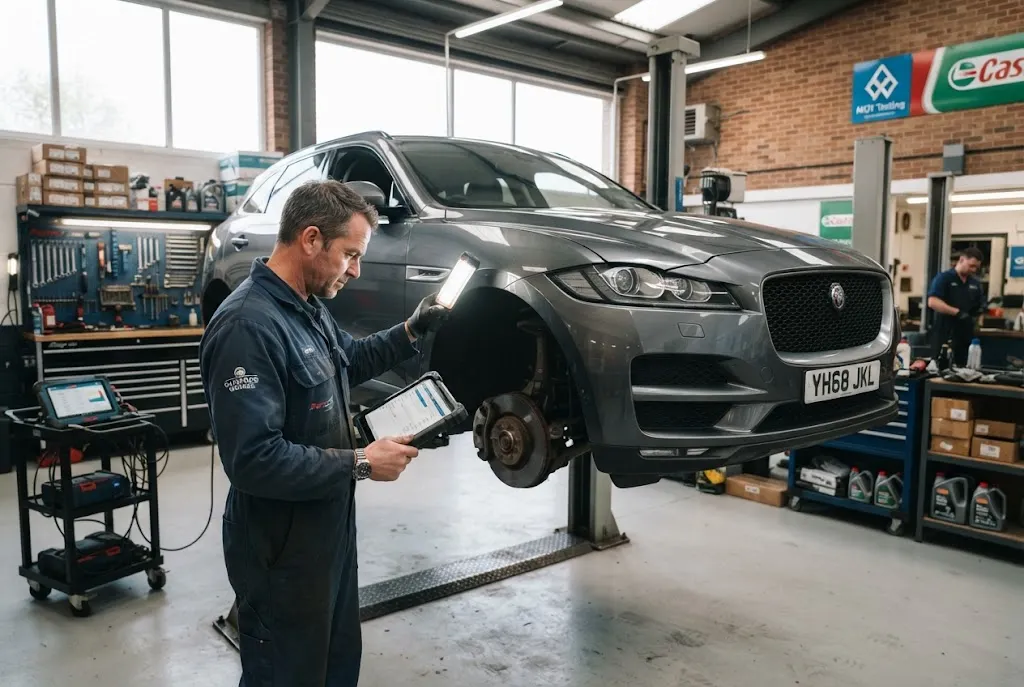
Photographs can help narrow down potential vehicles, but they cannot replace a physical inspection. When viewing a used car, take time to examine the exterior, interior and visible mechanical components.
Look for differences in paint colour, uneven panel gaps and signs that bodywork may have been repaired. These observations do not necessarily indicate a serious problem, but they can help you ask more informed questions about the vehicle’s history.
Inside the car, check the condition of seats, carpets, dashboard controls and other equipment. Excessive wear may be inconsistent with the advertised mileage or claimed usage, although different drivers naturally use vehicles differently.
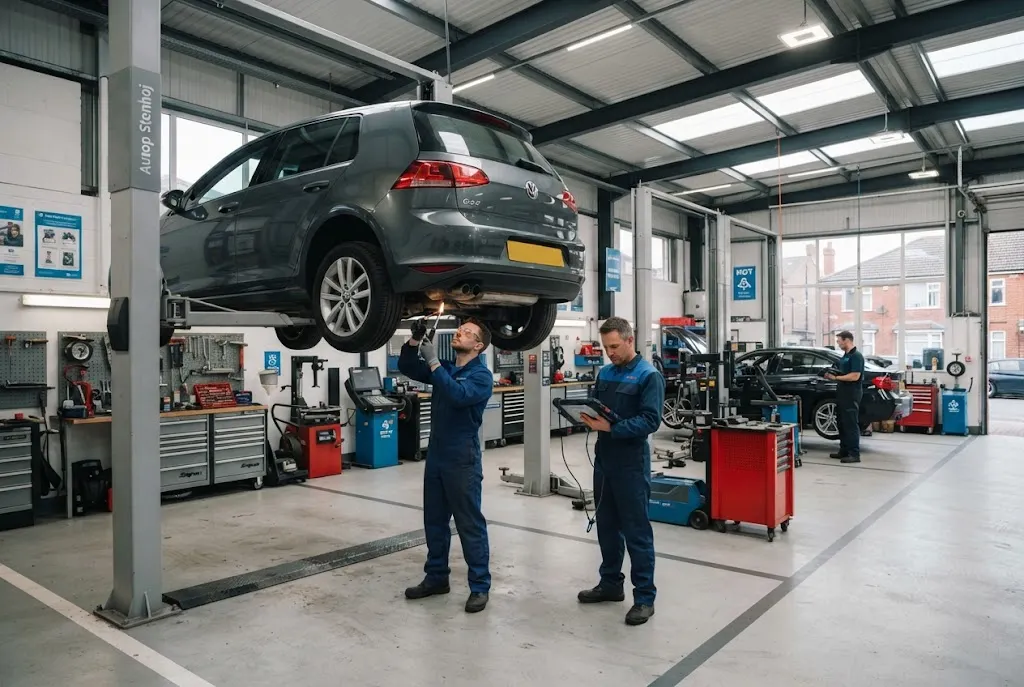
Also inspect the tyres. Look for uneven wear, visible damage and adequate tread. If you are unsure about the condition of a vehicle, consider arranging a professional or independent inspection before completing the purchase.
Take a Proper Test Drive
A test drive can reveal issues that are difficult to identify while a vehicle is stationary. Before driving, make sure you are appropriately insured and permitted to conduct the test drive under the seller’s arrangements.
During the drive, pay attention to steering, braking, acceleration, gear changes and unusual sounds. Notice whether the vehicle pulls to one side or produces unexpected vibration.
Try the car in conditions that allow you to assess its basic behaviour without driving recklessly. If something feels unusual, ask the seller about it rather than assuming that the issue is insignificant.
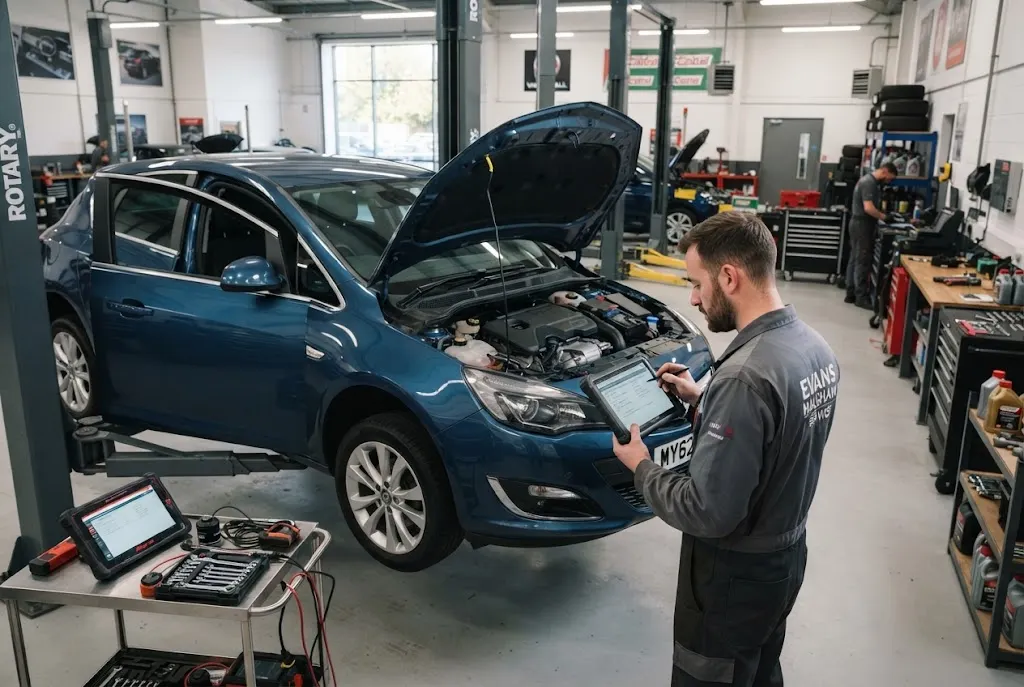
If you are not confident assessing a vehicle mechanically, an independent inspection can provide additional reassurance.
Compare Similar Second-Hand Vehicles
Don’t judge a car in isolation. Compare several second-hand vehicles with similar ages, mileage, specifications and condition.
Online marketplaces can make this process easier because buyers can review multiple listings before visiting a seller. Our AutoTrader UK buying guide covers practical ways to research listings, compare sellers and plan an online vehicle search.
When comparing vehicles, look beyond the headline price. A slightly more expensive car may offer lower mileage, better documentation, a stronger specification or evidence of more consistent maintenance.
Likewise, an unusually cheap vehicle should be investigated carefully. There may be a straightforward reason for the price, but buyers should understand that reason before treating the vehicle as a bargain.
Consider the Cost of Future Maintenance
Buying a used vehicle means accepting that maintenance will form part of ownership. Components naturally wear over time, and the age and mileage of a vehicle can influence the likelihood of future work.
Ask yourself whether you could comfortably handle routine maintenance and an unexpected repair. This is particularly important when buying an older vehicle where several components may be approaching the later stages of their service life.
If a significant repair is required after purchase, repair finance and vehicle repair planning may be relevant to some motorists, depending on their circumstances and the terms available from finance providers.
Good maintenance should not be viewed as an unnecessary expense. Regular servicing and prompt attention to developing problems can help preserve vehicle reliability and potentially prevent smaller issues from becoming more complicated.
Used Cars and Resale Value
Resale value can be overlooked when buying a second-hand vehicle. Although nobody can guarantee what a car will be worth in the future, certain factors can influence its attractiveness to future buyers.
Condition, service history, mileage, specification and general demand can all matter when the vehicle is eventually sold. Keeping maintenance records and looking after the vehicle can make it easier to demonstrate how it has been maintained.
When choosing between similar vehicles, consider whether the model has a practical specification and whether replacement parts, servicing and general maintenance are readily manageable.
Resale value should not be the only factor in a purchase decision, but it can be useful when comparing vehicles that otherwise appear similar.
Buying a Used Car With Finance
Some buyers choose to finance a used vehicle rather than paying the entire purchase price upfront. If finance is being considered, the agreement should be assessed separately from the condition and value of the vehicle.
Look at the deposit, monthly repayments, agreement length, interest and total amount payable. A low monthly figure does not necessarily mean that the overall deal is inexpensive.
Our guide to car finance and vehicle finance options explains why buyers should consider the complete cost of a finance agreement rather than focusing only on monthly repayments.
Finance should also fit within the wider ownership budget. A buyer who stretches their budget to purchase the vehicle may struggle later with insurance, fuel, servicing and repairs.
A Practical Used Car Buying Checklist
A structured buying checklist can make the inspection process easier. Before agreeing to purchase, work through the key areas rather than relying on memory.
- Confirm the vehicle registration and basic details.
- Check available MOT and vehicle history information.
- Review service and maintenance records.
- Compare the mileage with available records.
- Inspect the bodywork and interior carefully.
- Check tyres for wear and visible damage.
- Test the vehicle’s main controls and equipment.
- Take an appropriate test drive.
- Ask about known faults and recent repairs.
- Compare the asking price with similar vehicles.
- Calculate expected ownership and running costs.
- Consider an independent inspection where appropriate.
- Make sure the payment and ownership arrangements are clear before completing the purchase.
Working through these points does not guarantee that a used vehicle will be trouble-free, but it can help identify questions and potential concerns before money changes hands.
Buying From a Dealer or Private Seller
The buying process can differ depending on whether you purchase from a motor dealer or a private seller. Buyers should understand who they are purchasing from and what protections and responsibilities apply to that transaction.
When dealing with a business, check the seller’s details and reputation and ask clear questions about the vehicle. With a private sale, buyers should be particularly careful about verifying the vehicle’s identity, documentation and condition.
Never allow pressure to make a quick decision to replace proper checks. If a seller refuses reasonable questions or discourages an inspection, consider whether walking away is the better option.
When Should You Walk Away From a Used Car?
Not every problem means a vehicle should automatically be rejected. Some issues may be minor and reflected appropriately in the price. However, significant inconsistencies or concerns should be taken seriously.
Consider walking away if important vehicle information cannot be verified, the seller refuses reasonable checks, the history contains unexplained inconsistencies or the vehicle’s condition does not match the description.
The same applies when the overall ownership cost is clearly beyond your budget. A vehicle may appear affordable at the point of purchase but become difficult to maintain if it requires substantial work soon afterwards.
Final Thoughts on Used Cars
Used cars can offer excellent value when buyers approach the purchase with patience and proper research. The key is to assess the entire vehicle rather than making a decision based solely on price, appearance or a persuasive advertisement.
Check the vehicle history, review maintenance records, inspect the condition, take a suitable test drive and compare similar vehicles before committing. At the same time, consider insurance, fuel, servicing, tyres and potential repair costs as part of the ownership budget.
A second-hand vehicle is ultimately a long-term ownership decision, not just a one-off purchase. By combining careful research with realistic financial planning, UK motorists can improve their chances of choosing a vehicle that suits both their driving needs and their budget.