Auto inspection services can give UK vehicle owners a clearer understanding of a car’s condition beyond routine maintenance or an annual MOT. A professional inspection can examine important mechanical, electrical and safety-related areas, helping identify existing faults, signs of wear and issues that may need attention.
Vehicle inspections can be particularly useful when buying a used car, investigating an unexplained problem or checking the overall condition of a vehicle before committing to further ownership costs. Understanding what an inspection involves also helps motorists distinguish between a general condition assessment, an MOT and routine servicing.
What Are Auto Inspection Services?
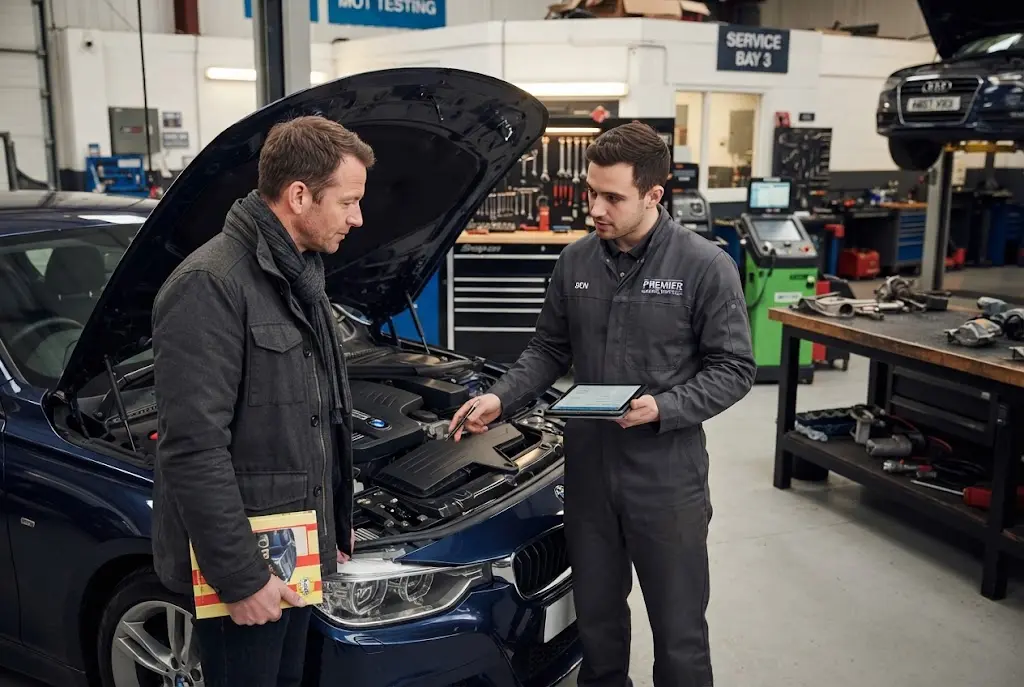
Auto inspection services involve a structured examination of a vehicle to assess its condition. The exact scope varies between providers and inspection types, but a professional assessment may cover mechanical components, bodywork, tyres, brakes, suspension, steering, electrical systems and other relevant areas.
The purpose is generally to provide the vehicle owner or prospective buyer with useful information about the vehicle’s current condition. Depending on the service, the inspection may result in a written report identifying observations, defects or areas that require further investigation.
An inspection should not automatically be treated as a guarantee that a vehicle will remain fault-free. Instead, it provides an additional source of information that can support better maintenance and ownership decisions.
Why Vehicle Inspections Matter
Vehicles contain numerous interconnected systems, and not every developing problem is immediately obvious during everyday driving. A car may appear to operate normally while showing signs of wear that deserve attention.
A professional inspection can help identify concerns that might otherwise go unnoticed. This can be especially useful when purchasing a used vehicle because the inspection provides an opportunity to examine the car independently rather than relying entirely on a seller’s description.
For existing owners, an inspection can also support maintenance awareness. If a vehicle develops unusual noises, handling changes or warning signs, a structured assessment may help establish which areas need closer attention.
What Does a Vehicle Inspection Cover?
There is no universal inspection checklist for every situation. The scope depends on the purpose of the assessment, the vehicle and the inspection provider. However, a comprehensive inspection may consider several major areas.
Exterior and Bodywork
An inspection can examine the exterior for visible damage, corrosion, inconsistent panel condition and other signs that may warrant further investigation. On a used vehicle, the condition of the bodywork can also provide useful clues about how the car has been maintained.
Tyres and Wheels
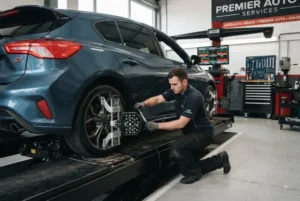
Tyres are essential safety components. An inspection may assess visible tyre condition, tread, damage and signs of uneven wear. Wheels can also be checked for visible damage or other concerns.
Regular tyre checks remain important between professional inspections because tyre condition can change through normal use.
Brakes
Braking components are another important area of vehicle health. Depending on the inspection, the assessor may examine accessible brake components and identify visible signs of wear or damage.
Drivers should never ignore changes in braking performance. Grinding noises, unusual vibration or changes in pedal behaviour should be investigated promptly.
Steering and Suspension
Steering and suspension influence handling, stability and ride quality. An inspection may look for visible wear, damage or symptoms that suggest further investigation is necessary.
Problems in these areas can sometimes become noticeable through unusual noises, uneven tyre wear or changes in how the vehicle handles.
Engine and Mechanical Components
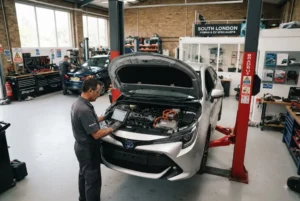
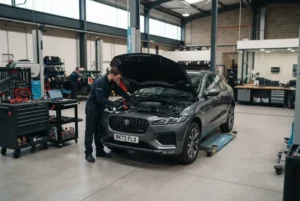
Depending on the inspection package, mechanical checks can cover accessible engine components, fluid levels, leaks and other areas relevant to vehicle condition. Some assessments may also include a road test to identify operational symptoms.
Mechanical inspection is particularly useful when purchasing a used car because visible condition alone cannot tell the complete story of a vehicle’s maintenance history.
Diagnostic Reports and Modern Vehicles
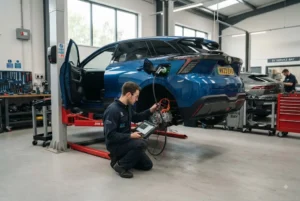
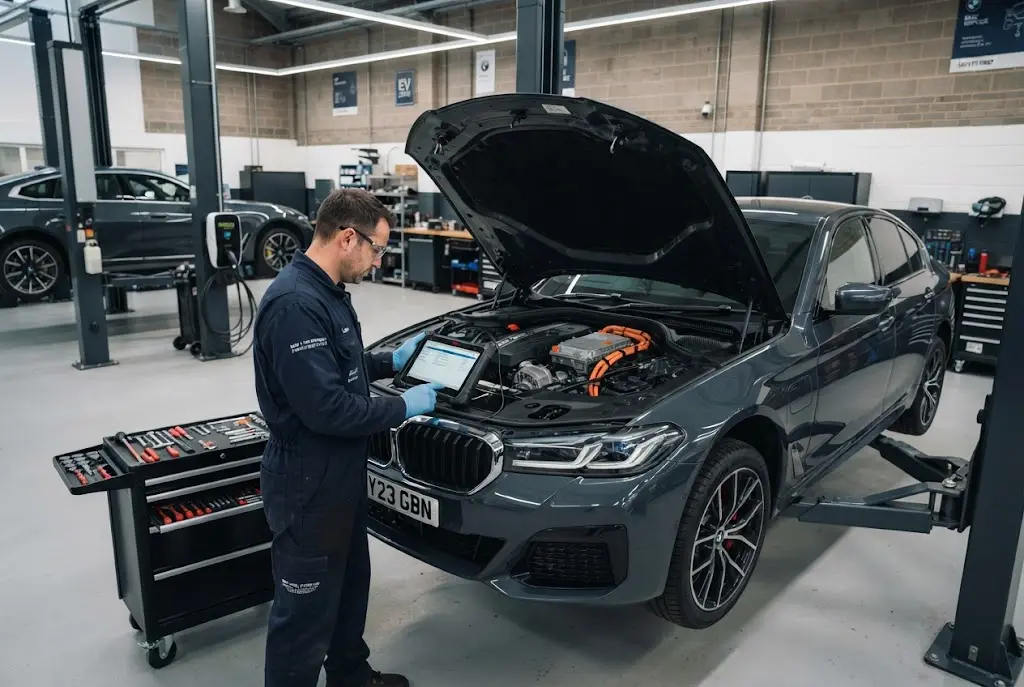
Modern vehicles contain numerous electronic control systems, sensors and computerised components. Diagnostic equipment can sometimes provide additional information that is not apparent from a visual inspection.
A diagnostic report may identify stored fault codes or other information that warrants further investigation. However, a diagnostic code does not always mean that replacing a particular component will immediately solve the underlying problem. Professional interpretation remains important.
Drivers should therefore view diagnostic information as one part of a wider inspection rather than assuming that a scan alone provides a complete assessment of vehicle condition.
Auto Inspection Services and Roadworthiness
Roadworthiness is an important consideration when assessing a vehicle. An inspection can help identify issues that may affect safety or vehicle condition, but its exact scope depends on the service being purchased.
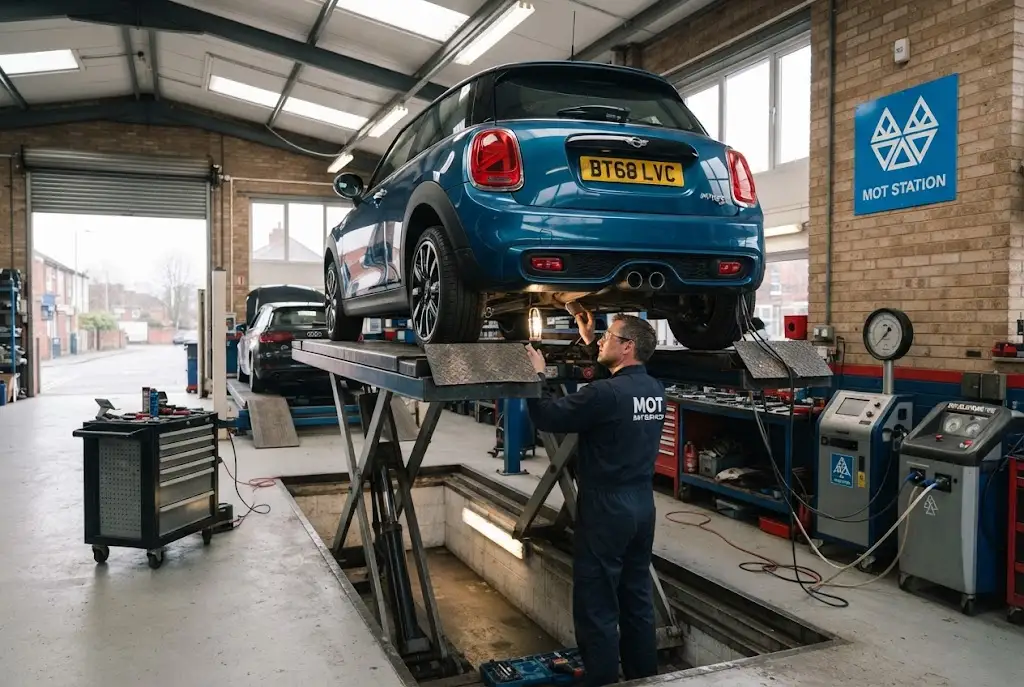
It is important not to confuse a private inspection with an MOT. An MOT is a regulated test against prescribed requirements, whereas a vehicle inspection can be arranged for a broader or different purpose.
Our guide to MOT and service explains how annual MOT testing differs from routine servicing and why the two should not be treated as interchangeable.
When Should You Consider a Vehicle Inspection?
There are several situations in which an inspection can be useful.
- Before purchasing a used vehicle
- When investigating unexplained vehicle symptoms
- Before a long journey when there are existing concerns
- After significant mechanical work or an accident
- When assessing an older vehicle’s general condition
- When reviewing a vehicle before selling it
- When establishing priorities for future maintenance
The appropriate inspection depends on the reason for requesting it. A pre-purchase assessment may focus heavily on overall condition and potential ownership risks, while a diagnostic inspection may concentrate on a specific mechanical or electronic concern.
Pre-Purchase Vehicle Inspections
A used car can look excellent externally while having maintenance issues that are not immediately visible. This is one reason buyers may consider an independent inspection before completing a purchase.
A pre-purchase inspection can provide another perspective on the vehicle’s condition. It may identify visible defects, maintenance concerns or areas that deserve additional investigation.
The findings can then be considered alongside the vehicle’s service history, MOT history, mileage, asking price and other available information. An inspection should be one part of the buyer’s overall assessment rather than the sole basis for a purchasing decision.
Understanding potential car service cost can also help buyers consider the financial implications of maintenance issues identified during an inspection.
Inspection Standards and Professional Assessments
Inspection quality can vary depending on the provider, the assessor’s experience, the equipment used and the scope of the inspection. Before booking, drivers should establish exactly what the service includes.
Useful questions include:
- What components will be inspected?
- Is a road test included?
- Will diagnostic equipment be used?
- Will photographs be included in the report?
- What type of report will be provided?
- Are safety-critical issues highlighted separately?
- Are repair recommendations included?
- Are there areas that the inspection cannot assess?
Clear answers make it easier to compare inspection providers and ensure the selected service matches the purpose of the assessment.
How an Inspection Report Can Help
A written inspection report can turn a general assessment into a more useful maintenance record. Depending on the provider, the report may document the condition of different vehicle systems and identify areas requiring attention.
For an existing owner, this can help establish maintenance priorities. Rather than addressing every recommendation immediately, the owner can discuss the findings with a qualified mechanic and determine which issues require urgent attention and which can be monitored.
For a buyer, the report can provide additional information to consider alongside the seller’s documentation and other vehicle checks.
Inspection Versus Routine Servicing
Inspection and servicing overlap in some areas, but they have different purposes. Servicing is normally planned around the vehicle’s recommended maintenance schedule. An inspection is generally arranged to assess condition for a particular reason.
A service may include routine replacement of consumables and scheduled maintenance tasks. An inspection may instead concentrate on identifying the vehicle’s current condition and potential concerns.
Drivers looking to build broader maintenance awareness can also explore our automotive knowledge resources for practical information about servicing, repairs and vehicle ownership.
Preparing for an Auto Inspection
Owners and buyers can make an inspection more useful by gathering relevant vehicle information beforehand. This may include the registration details, service history, previous repair records and details of any symptoms or concerns.
If the vehicle has a specific issue, describe the symptoms as accurately as possible. Mention when the problem occurs, whether it is related to temperature or speed and whether any dashboard warning lights have appeared.
For a pre-purchase inspection, it can also be useful to provide the assessor with information about the vehicle’s advertised condition and any specific areas that you want examined.
Understanding Safety Checks
Safety checks should remain a central part of responsible vehicle ownership. Tyres, brakes, steering, suspension, lights and visibility-related components all contribute to safe operation.
However, drivers should not wait for a scheduled inspection if they notice a serious change in vehicle behaviour. A sudden loss of braking performance, major steering problem, significant fluid leak or other serious symptom may require immediate professional attention.
Routine visual checks can also complement professional assessments. Drivers can monitor tyre condition, lights and other accessible items between inspections and arrange professional assistance when something appears unusual.
Using Inspection Findings for Maintenance Planning
An inspection becomes more valuable when its findings are turned into a sensible maintenance plan. Not every recommendation necessarily needs to be addressed on the same day, but safety-critical issues should receive appropriate priority.
Owners can discuss the report with a qualified mechanic and separate urgent repairs from routine maintenance. This approach can make maintenance expenses easier to manage while ensuring important concerns are not overlooked.
If additional repair work is recommended, request a clear quotation covering the parts and labour involved. Comparing like-for-like quotations can help you understand potential repair costs before approving work.
Hybrid and Electric Vehicle Inspections
Vehicle technology is changing, and inspections may need to account for different powertrains. Hybrid and electric vehicles contain high-voltage systems and specialised components that require appropriate knowledge and equipment.
Owners of electrified vehicles should therefore confirm that an inspection provider is equipped and qualified to work with the specific type of vehicle being assessed. Our guide to hybrid services explores related maintenance considerations for hybrid and electric vehicles.
Final Thoughts on Auto Inspection Services
Auto inspection services provide UK motorists with an additional way to understand vehicle condition. Whether the goal is to assess a used car before purchase, investigate an unexplained problem or establish maintenance priorities, a structured inspection can provide useful information beyond what everyday driving reveals.
The most useful inspection is one that matches the purpose of the assessment and clearly explains its scope. Drivers should understand what has been checked, what has not been checked and what any findings mean before making maintenance decisions.
Combined with appropriate servicing, MOT testing and regular driver checks, professional vehicle inspections can support better maintenance awareness and more informed ownership decisions. The result is a clearer picture of vehicle health and a more organised approach to future maintenance.