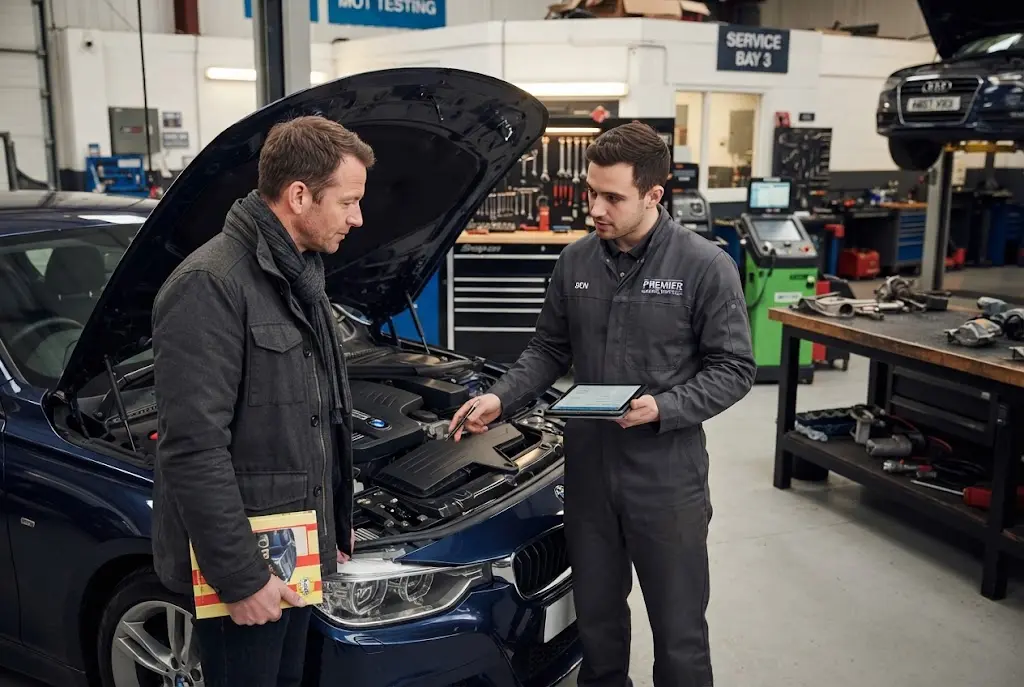
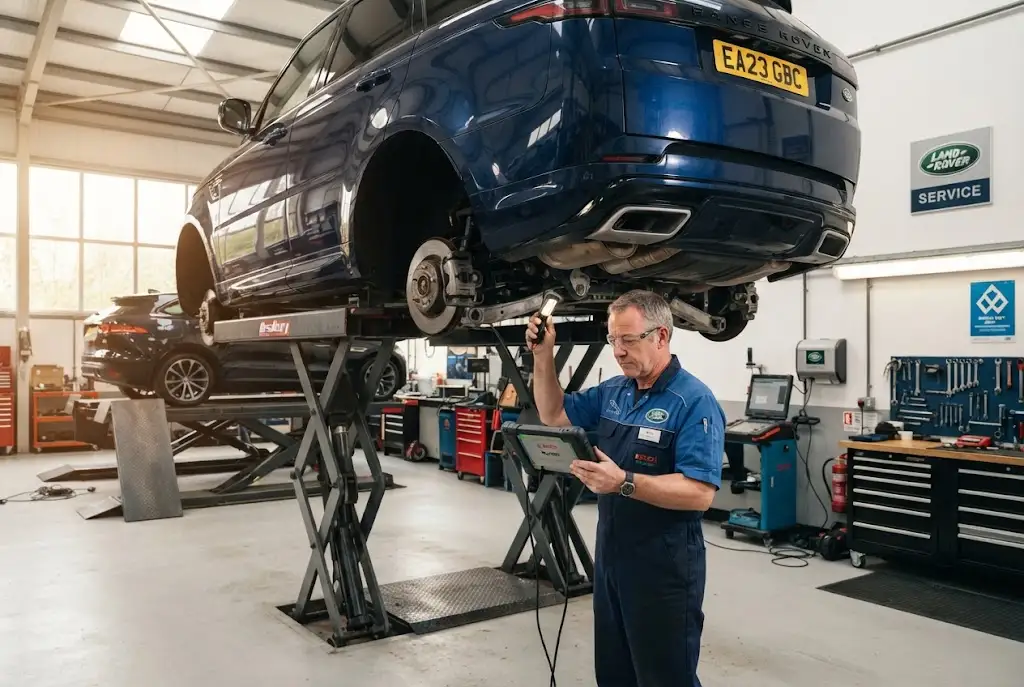
Understanding the difference between an MOT and service is an important part of responsible vehicle ownership in the UK. Although both involve checking a vehicle, they have different purposes. An MOT assesses whether a vehicle meets specific legal and safety standards at the time of testing, while servicing focuses on maintaining the vehicle and identifying potential mechanical issues.
Knowing how these two forms of vehicle care work together can make maintenance planning easier. It can also help drivers understand their ownership responsibilities, prepare for an annual inspection and avoid assuming that passing an MOT means a vehicle does not need servicing.
What Is an MOT and Service?
An MOT is a legally required test for most vehicles once they reach the applicable testing age. It checks whether the vehicle meets minimum requirements relating to areas such as safety, emissions and other prescribed testing standards.
A service is different. It is planned maintenance intended to keep a vehicle operating properly and to identify wear or developing faults. Depending on the service schedule, it may involve replacing oil and filters, checking fluids, inspecting brakes, examining tyres and carrying out other manufacturer-recommended maintenance.
In simple terms, an MOT is primarily a test of compliance at a particular point in time, whereas servicing is part of an ongoing maintenance programme.
MOT and Service: Why the Difference Matters
The distinction matters because a vehicle can pass an MOT and still require servicing. An MOT is not a substitute for routine maintenance, and a service is not a replacement for a legally required MOT where an MOT is applicable.
A successful test indicates that the vehicle met the relevant MOT requirements when it was examined. It does not mean every mechanical component is in perfect condition or that future maintenance can be ignored.
For drivers, keeping both activities on the maintenance calendar provides a more complete approach to vehicle care. The MOT addresses regulatory testing requirements, while servicing supports longer-term maintenance and vehicle health.
Understanding DVSA Guidance
The Driver and Vehicle Standards Agency, commonly known as the DVSA, is responsible for setting and overseeing the MOT testing framework in Great Britain. Official guidance provides information about MOT testing, vehicle requirements and responsibilities for motorists.
Drivers can use the GOV.UK MOT guidance to check official information about when an MOT is required, what the test covers and how the MOT system works.
Using official information is particularly useful when checking requirements because testing rules and administrative details should not be based solely on assumptions or informal advice.
When Is an MOT Required?
For most cars, the first MOT is generally required by the third anniversary of their registration. After that, the vehicle normally needs an MOT every year while it remains subject to the MOT requirement.
There are exceptions and different requirements for certain types of vehicles, so owners should check the rules that apply to their particular vehicle rather than relying on a general assumption.
Drivers can check a vehicle’s MOT history and current MOT status through the official government service. Keeping track of the expiry date is part of responsible vehicle ownership and helps avoid accidentally driving without the required test.
What Does an MOT Checklist Cover?
An MOT involves a range of prescribed checks. The precise inspection depends on the vehicle and the testing requirements that apply to it, but common areas include safety-related components and systems.
Checks can include areas such as:
- Brakes and braking components
- Tyres and wheels
- Lights and electrical equipment covered by the test
- Steering and suspension components
- Seat belts and relevant restraint systems
- Bodywork and vehicle structure
- Visibility-related components
- Exhaust and emissions-related requirements
- Registration plates and other prescribed items
The MOT is carried out according to defined testing standards. A tester records defects according to the relevant classification, which can determine whether a vehicle passes or fails the test.
What Does a Vehicle Service Cover?
Servicing is generally broader in its purpose because it is concerned with maintaining the vehicle rather than simply determining whether it meets MOT requirements.
The exact work depends on the vehicle manufacturer, mileage, age and service schedule. A service may include checks or replacement of items such as engine oil, oil filters, air filters, fluids and other maintenance components.
Some services can also involve inspections of brakes, tyres, suspension, steering, battery condition and other systems. If a mechanic identifies a fault, the garage may recommend separate repair work.
Drivers who want to understand the financial side of routine maintenance can also refer to our guide to car service cost, which explains servicing prices, labour charges, repair costs and ownership budgeting.
MOT Requirements and Road Safety
The MOT system plays an important role in maintaining minimum standards for vehicles used on public roads. However, road safety does not depend on the annual test alone.
A vehicle can develop a fault after its MOT has been completed. Tyres can become worn, bulbs can fail, fluid levels can change and mechanical components can deteriorate between tests. Drivers therefore remain responsible for ensuring that their vehicles are safe to use.
Regular visual checks and appropriate maintenance can complement the MOT by helping owners identify problems during the period between annual tests.
Why an MOT Pass Does Not Replace Servicing
One of the most common misunderstandings is treating an MOT pass as confirmation that a vehicle does not need further maintenance. The two processes have different objectives.
An MOT assesses specified requirements under the testing system. A service can examine maintenance needs that may not form part of the MOT or may not be sufficient to identify every developing mechanical issue.
For example, a vehicle may pass its MOT while still approaching a scheduled oil change or requiring maintenance that is not directly related to an MOT test item. Following the manufacturer’s service schedule remains important.
Combining MOT and Service Planning
Many drivers arrange their MOT and service around similar times of year because it can make vehicle maintenance easier to remember. However, the service interval should still follow the manufacturer’s recommendations rather than being determined solely by the MOT date.
Combining appointments can also provide a convenient opportunity to review the vehicle’s overall condition. If an MOT identifies an issue, the owner can discuss the findings with the servicing garage and establish what work is necessary.
For a more detailed assessment before buying or maintaining a vehicle, drivers can also explore auto inspection services and learn how vehicle inspections can provide additional information about condition and roadworthiness.
What Happens If a Vehicle Fails Its MOT?
If a vehicle fails its MOT, the test result identifies the defects or issues responsible for the failure. The required repair work depends on the nature and severity of the defects recorded by the tester.
Some issues may be relatively straightforward to address, while others can require more substantial repairs. Owners should review the test result carefully and ask the garage to explain any recommended work they do not understand.
It is also important to distinguish between defects that cause an MOT failure and advisory information. Advisories can highlight items that may require attention in the future, but their significance depends on the condition of the individual vehicle.
Vehicle Compliance Is an Ongoing Responsibility
Passing an annual test is only one part of vehicle compliance. Drivers have an ongoing responsibility to ensure their vehicle remains suitable and safe to use.
This means responding to warning signs, maintaining tyres and lights, following service recommendations and addressing known faults. Waiting for the next MOT to discover a problem is not a suitable substitute for routine vehicle care.
Good maintenance planning also helps owners anticipate expenses. Keeping records of servicing, repairs and MOT results can make it easier to understand the vehicle’s history and plan future work.
Maintenance Planning for Different Vehicles
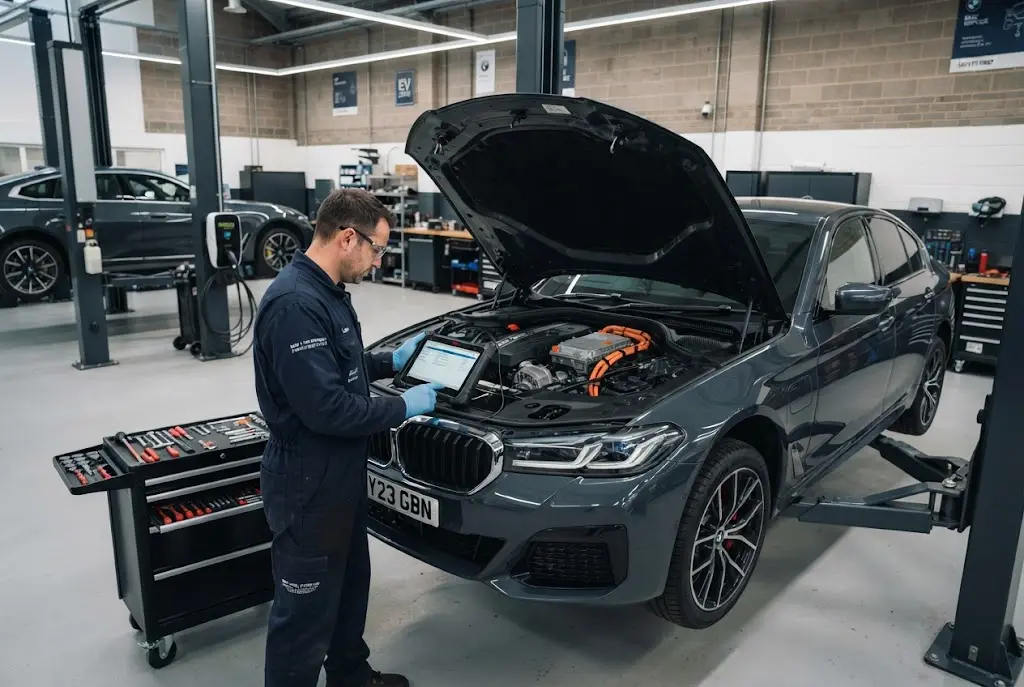
Maintenance requirements can vary depending on the vehicle’s age, mileage, engine type and manufacturer recommendations. Petrol and diesel vehicles have conventional mechanical maintenance requirements, while hybrids and electric vehicles introduce additional systems that owners need to understand.
If you own or are considering a hybrid or electric vehicle, our guide to hybrid services covers areas such as EV servicing, battery-related maintenance and hybrid ownership considerations.
Regardless of powertrain, the basic principle remains the same: follow the appropriate maintenance schedule and understand the difference between legal testing and preventative servicing.
Simple MOT and Service Checklist
A straightforward maintenance routine can help UK drivers stay organised. Before an MOT appointment, check the basic condition of the vehicle and make sure obvious issues have not been overlooked.
- Check that exterior lights are operating correctly
- Inspect tyres for visible damage and suitable tread
- Check windscreen condition and visibility
- Make sure washer fluid is available
- Check that registration plates are clean and readable
- Pay attention to dashboard warning lights
- Review the vehicle’s service schedule
- Check the current MOT expiry date
- Keep records of previous maintenance and repairs
These checks do not guarantee an MOT pass, but they can help owners identify obvious issues before the appointment.
Building Better Ownership Habits
Understanding MOT requirements is useful, but broader automotive knowledge can make vehicle ownership easier. Drivers who understand basic maintenance terminology are better positioned to discuss issues with garages, compare repair recommendations and plan future expenses.
Our automotive knowledge resources can provide additional practical motoring information, while individual maintenance guides can help owners explore specific aspects of vehicle care.
The aim is not to turn every driver into a mechanic. Instead, it is about developing enough knowledge to recognise routine responsibilities, understand professional advice and make informed maintenance decisions.
Final Thoughts on MOT and Service Planning
An MOT and service work together as two distinct parts of responsible vehicle ownership. The MOT provides a regulated assessment against defined testing requirements, while servicing supports ongoing maintenance and helps identify issues that may need attention.
Keeping both on your vehicle calendar can help you stay organised, manage maintenance expenses and maintain awareness of your vehicle’s condition. Most importantly, drivers should remember that an MOT pass is not a guarantee that a vehicle will remain problem-free for the following year.
By following the appropriate service schedule, monitoring the vehicle between tests, responding to warning signs and using official guidance for MOT requirements, motorists can take a more structured approach to maintenance planning and ongoing vehicle compliance.