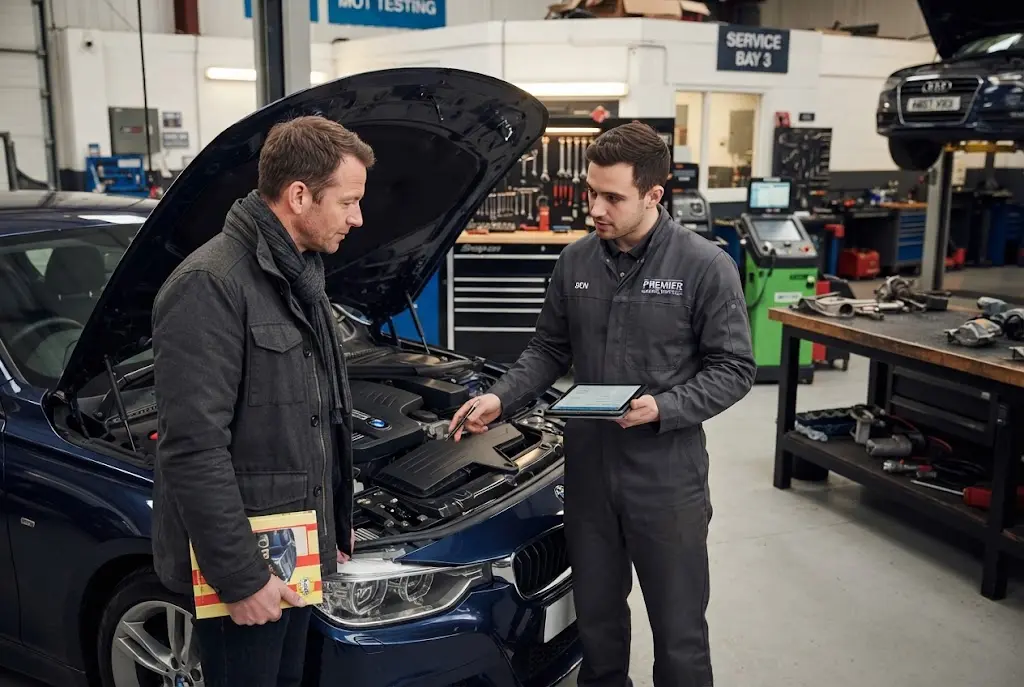
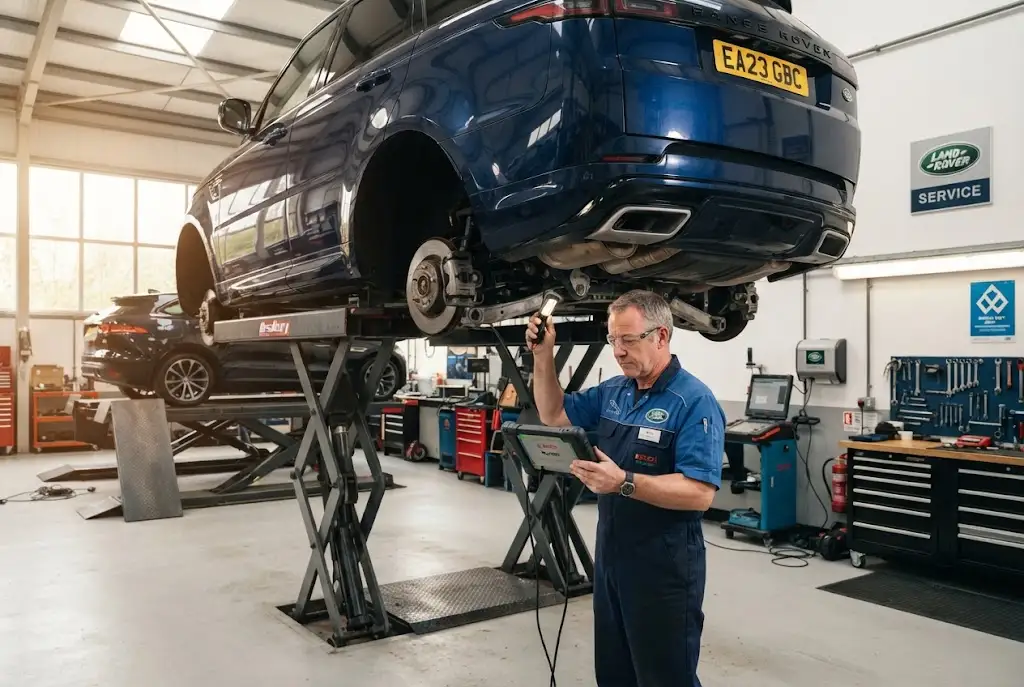
Hybrid servicing is an important part of keeping a hybrid vehicle safe, efficient and dependable on UK roads. Although hybrid cars combine an internal combustion engine with electric technology, they still need many of the routine maintenance checks associated with conventional vehicles. At the same time, their high-voltage systems, electric motors and traction batteries introduce additional considerations for technicians and owners.
Understanding how hybrid services work can help drivers choose an appropriate workshop, recognise important maintenance requirements and avoid treating a hybrid vehicle exactly like a conventional petrol or diesel car. From routine inspections and brake maintenance to battery checks and specialist diagnostics, proper vehicle care supports reliable hybrid ownership over the long term.
What Is Hybrid Servicing?
Hybrid servicing is the process of inspecting and maintaining a vehicle that combines an internal combustion engine with one or more electric motors and a high-voltage battery system. The exact service requirements depend on the vehicle manufacturer, model, age, mileage and type of hybrid system.
A typical hybrid service can include conventional maintenance such as engine oil, filters, brakes, tyres, suspension and fluid checks. It may also include inspections of hybrid-specific components and electronic systems.
The important point is that hybrid technology does not eliminate normal vehicle maintenance. Instead, it adds another layer of systems that need to be understood and checked correctly.
Why Hybrid Servicing Matters
Regular maintenance helps identify developing faults before they become more serious. A hybrid vehicle can appear to operate normally while electronic systems, cooling components, brakes or other parts require attention.
Servicing can also provide an opportunity to check the condition of the hybrid system and battery. For example, Toyota says its Hybrid Service checks the hybrid system and hybrid battery, and that annual qualifying servicing can provide eligibility for additional Hybrid Battery Extended Cover subject to its terms and conditions.
For owners, this means servicing can be more than simply changing oil and filters. It can help maintain a record of vehicle condition and ensure that relevant manufacturer procedures are being followed.
What Does Hybrid Servicing Include?
The exact checklist varies by manufacturer, but several areas commonly deserve attention.
Engine and Fluid Checks
A hybrid’s petrol or diesel engine still requires appropriate lubrication, cooling and maintenance. Technicians may inspect engine oil, coolant, filters and other fluids according to the manufacturer’s service schedule.
Some hybrids may operate their combustion engine less frequently than conventional vehicles, but that does not mean engine servicing can be ignored. The engine remains an important part of the vehicle’s powertrain.
Brake Inspection
Hybrid vehicles can use regenerative braking, where energy from deceleration is recovered and used to recharge the battery. This can reduce reliance on conventional friction braking in some driving conditions.
However, brake components still require inspection. Pads, discs, callipers and other components can deteriorate or develop problems even when they are used differently from those on a conventional car.
Hybrid Battery Checks
The traction battery is one of the most important hybrid-specific components. Its condition can affect the vehicle’s ability to operate efficiently and switch between different power sources.
Battery maintenance does not necessarily mean replacing the battery. A service may involve checking the hybrid system, looking for warning signs and assessing relevant components according to the manufacturer’s procedures.
Cooling System Inspection
Hybrid systems can include dedicated cooling arrangements for electrical components and batteries. Correct temperature management is important because batteries and electronic components operate within specified conditions.
If a warning light appears or the vehicle behaves unusually, owners should arrange an appropriate inspection rather than assuming the issue will resolve itself.
Diagnostics and Electronic Systems
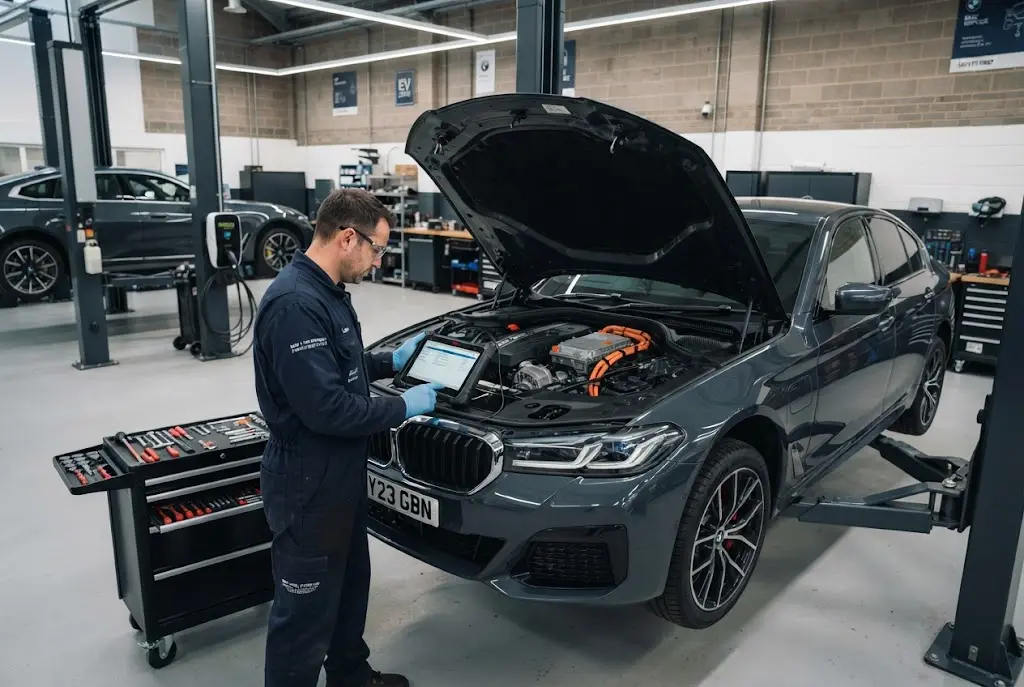
Modern hybrids rely heavily on electronic control systems. Appropriate diagnostic equipment can help technicians identify faults that may not be visible during a conventional mechanical inspection.
This is one reason workshop capability matters. A garage that regularly works on hybrid vehicles may be better prepared to diagnose hybrid-specific faults than a workshop without the necessary equipment or training.
Hybrid Battery Maintenance Explained
Battery maintenance is often one of the biggest concerns for people considering hybrid ownership. The battery is expensive and technically complex, but owners should distinguish routine battery inspection from battery replacement.
Manufacturers use different battery designs, control systems and maintenance procedures. There is therefore no universal battery servicing rule that applies to every hybrid vehicle.
Toyota, for example, states that its Hybrid Service includes checks of the hybrid system and battery. The company also says eligible vehicles can receive additional battery-related cover through qualifying annual servicing, subject to the relevant conditions.
Owners should follow the maintenance schedule for their specific vehicle rather than relying on general advice about hybrid batteries. If a battery warning appears, the vehicle should be assessed by an appropriately equipped technician.
Toyota Hybrid Service: What Owners Should Know
Also Toyota is one of the most established hybrid manufacturers, with a large UK range of hybrid vehicles. Toyota UK currently recommends servicing its hybrids every 12 months or 10,000 miles, whichever comes first, although specific vehicles and service intervals can differ.
A Toyota hybrid service can include checks of the hybrid system and battery alongside conventional servicing requirements. Toyota also states that its trained technicians use genuine Toyota parts and that qualifying services can provide additional warranty cover under its Service Activated Warranty programme.
This does not mean every hybrid owner must automatically use a manufacturer dealership. Independent specialists can also work on hybrid vehicles. However, owners should check that the chosen workshop has suitable training, equipment and experience for the particular model.
Do Hybrid Cars Need More Maintenance?
Hybrid ownership does not necessarily mean that every part of the vehicle needs more frequent maintenance. In some areas, hybrid technology can change how components are used.
Regenerative braking, for example, can reduce the amount of work performed by conventional friction brakes during certain driving conditions. However, other hybrid-specific components require specialist knowledge.
The overall maintenance requirement therefore depends on the vehicle rather than simply the fact that it is a hybrid. The best source for service intervals is the manufacturer’s schedule for the specific model.
Choosing a Workshop for Hybrid Servicing
Choosing the right workshop is particularly important when a service involves high-voltage components. The Health and Safety Executive explains that electric and hybrid vehicles can contain high-voltage systems and that people working on them may need additional skills, training, specialist tools and equipment.
This is especially relevant when work goes beyond ordinary maintenance. HSE guidance distinguishes between lower-risk activities, conventional maintenance and repair, and work directly involving high-voltage electrical systems. The required competence increases with the nature of the work.
When selecting a workshop, ask:
- Does the workshop regularly work on hybrid vehicles?
- Are technicians appropriately trained for hybrid systems?
- Does the garage have suitable diagnostic equipment?
- Can it follow the manufacturer’s service procedures?
- Does it have the equipment needed for high-voltage work?
- Will the workshop explain any additional repairs before proceeding?
- What warranty or guarantee applies to the work?
For owners comparing different workshop models, our guide to automotive service companies explains the differences between independent garages, authorised workshops and wider service networks.
Hybrid Servicing and High-Voltage Safety
Hybrid vehicles contain electrical systems that can operate at substantially higher voltages than conventional 12-volt vehicle systems. HSE states that electric and hybrid vehicles can contain voltages of up to 650 volts DC and warns that accidental contact with certain live components can be fatal.
This is not a reason for owners to be alarmed. It is a reason to make sure technical work is performed by people with appropriate competence.
High-voltage components may also retain dangerous energy after a vehicle has been switched off. HSE guidance therefore recommends vehicle-specific information, suitable isolation procedures and appropriate tools when working on high-voltage systems.
Owners should never attempt high-voltage repairs simply because a fault appears straightforward. Specialist electrical work should be left to suitably trained professionals.
Hybrid Servicing vs Conventional Car Servicing
There is considerable overlap between hybrid and conventional servicing. Both types of vehicle can require attention to tyres, steering, suspension, brakes, fluids, filters, lights and other roadworthiness-related components.
The major difference is the additional electrical and electronic architecture found in hybrids. A technician may need to understand the interaction between the combustion engine, electric motor, battery, regenerative braking system and control electronics.
This makes hybrid servicing more specialised when a problem affects the hybrid powertrain, even though many routine maintenance tasks remain familiar to experienced automotive technicians.
Hybrid Ownership and Long-Term Vehicle Care
Good hybrid ownership begins with following the manufacturer’s maintenance schedule. Keeping service records can also make it easier to understand what work has been completed and when future maintenance is due.
Drivers should pay attention to dashboard warning lights, unusual noises, changes in performance and changes in fuel or energy efficiency. A new warning message does not always indicate a major failure, but it should not be ignored.
Tyres, steering and suspension also remain important because hybrid vehicles still depend on these systems for safe road handling. Owners can learn more about wheel alignment if they notice uneven tyre wear, steering changes or other handling concerns.
Hybrid Servicing and Sustainable Transport
Hybrid vehicles are often considered part of the wider transition towards lower-emission transport because they combine an internal combustion engine with electric propulsion. However, sustainable transport is not simply about choosing a particular powertrain. Keeping a vehicle properly maintained is also important for efficient and dependable operation.
Regular servicing can help identify problems that affect vehicle performance, while responsible maintenance can extend the useful life of the car. For owners, long-term care is therefore part of making practical use of hybrid technology.
As more motorists move between conventional cars, hybrids and fully electric vehicles, automotive workshops will increasingly need broader technical capabilities. Hybrid servicing is an important part of that transition.
When Should You Book Hybrid Servicing?
The correct interval depends on the manufacturer and model. Drivers should follow the service schedule supplied for their vehicle rather than applying a universal interval.
Toyota UK currently states that most of its hybrids should be serviced every 12 months or 10,000 miles, whichever comes first, while some models have different schedules.
In addition to scheduled maintenance, owners should arrange an inspection when a warning light appears, the vehicle develops unusual behaviour or there are signs of a problem with the brakes, engine, battery or electrical systems.
Final Thoughts on Hybrid Servicing
Hybrid servicing combines familiar vehicle maintenance with additional checks and expertise related to electric motors, high-voltage batteries and electronic control systems. The exact requirements depend on the manufacturer and vehicle, so owners should always start with the correct service schedule.
For routine work, a capable independent garage may be suitable. For hybrid-system diagnostics or high-voltage repairs, however, appropriate training and equipment become especially important. Choosing a workshop based on capability rather than price alone can help protect both the vehicle and the people working on it.
As hybrid ownership continues to form part of the UK’s changing transport landscape, understanding hybrid services and proper vehicle care will help motorists make better maintenance decisions throughout the life of their cars.